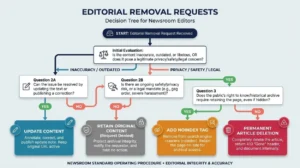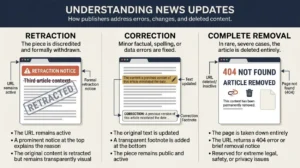
Evaluating UK content removal services requires analysing methodology, regulatory understanding, transparency, evidence standards, and long-term reputation impact rather than focusing solely on removal outcomes.
Reputation management strategies differ based on how information is assessed, interpreted, and influenced across search ecosystems. Online reputation control methods are evaluated through their effect on reputation signals, entity credibility, search ranking influence, and sentiment distribution within search engine results pages.
What Criteria Are Most Important When Evaluating UK Content Removal Services?
The most important evaluation criteria are legal understanding, procedural transparency, content assessment quality, evidence handling, and reputation impact analysis.
Content removal is a reputation management approach that operates by seeking the deletion, restriction, correction, or de-indexing of specific online information. Evaluation begins with understanding whether a provider analyses information systematically rather than treating all content as identical. Different content categories require different review pathways because search ecosystems interpret privacy concerns, defamatory material, copyright disputes, and policy violations through separate frameworks.
A structured evaluation process measures how effectively a provider identifies the correct classification of content before taking action. Classification accuracy directly affects procedural relevance and determines whether requests align with platform policies, publisher standards, or regulatory requirements. Services that rely on standardised assessments demonstrate stronger analytical consistency than approaches based on generic removal requests.
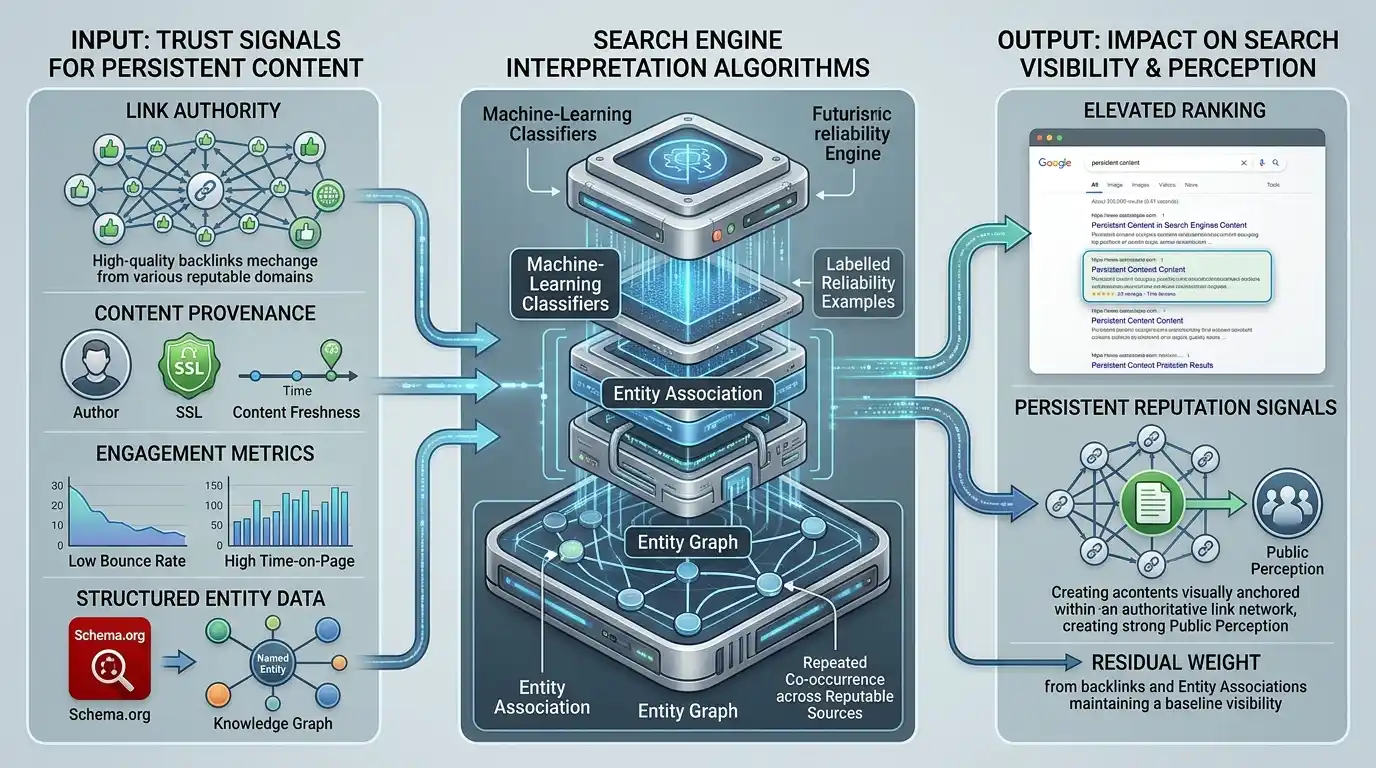
Search visibility is influenced by content quality, authority signals, and indexing status. Therefore, evaluating content removal services requires examining how they interpret search ecosystem mechanics rather than focusing exclusively on administrative procedures.
Which Evaluation Indicators Reveal Analytical Quality?
The following indicators help assess analytical quality:
- Examine content classification methods by determining how privacy, policy, and legal issues are differentiated.
- Review evidence frameworks by analysing documentation requirements and verification standards.
- Assess transparency mechanisms by identifying how processes and limitations are communicated.
- Evaluate reporting structures by examining how progress and outcomes are documented.
These indicators provide measurable insight into operational quality and procedural consistency.
How Does Content Removal Compare With Content Suppression Strategies?
Content removal and content suppression differ in their operational mechanisms and reputation outcomes.
Content removal is the process of eliminating, restricting, or de-indexing information from digital environments. Content suppression is a visibility management approach that operates by increasing the prominence of alternative assets within search results. Both methods influence SERP composition, but they function through different pathways.
Removal strategies directly target existing content. Their effectiveness depends on legal grounds, platform policies, publisher decisions, and regulatory frameworks. When successful, removal can eliminate a reputation signal from public visibility. However, the process is dependent on external review authorities and established content standards.
Content suppression focuses on search ranking influence. The objective is not to remove information but to reduce its visibility through stronger competing assets. Search engines evaluate relevance, authority, and user value when ranking content. Suppression therefore relies on creating or enhancing assets that generate stronger ranking signals than the target content.
From a sustainability perspective, suppression strategies contribute to broader digital footprint development, while removal strategies address specific content issues. Evaluating content removal services requires understanding where removal fits within the wider reputation management landscape.
How Does Regulatory Knowledge Influence Service Quality?
Regulatory knowledge influences service quality because legal and policy frameworks determine the validity of removal requests.
Content removal activities operate within a network of legal obligations and platform standards. UK regulations, privacy frameworks, data protection requirements, and publisher policies all affect how information is reviewed. Service quality therefore depends heavily on the ability to interpret and apply these frameworks accurately.
Regulatory understanding is measurable through procedural precision. Accurate interpretation enables providers to identify the most relevant review pathway and assemble supporting evidence according to established standards. Poor interpretation increases procedural inefficiencies and weakens alignment with content review systems.
Search ecosystems increasingly emphasise trustworthiness and information quality. Regulatory competence supports these principles by ensuring content assessments remain evidence-based and contextually accurate. Evaluation therefore extends beyond legal awareness and includes the practical application of regulatory knowledge within digital information environments.
What Signals Demonstrate Strong Regulatory Understanding?
Several indicators support evaluation:
- Identify applicable frameworks through clear references to content categories and review standards.
- Explain jurisdictional scope by defining how UK regulations interact with international platforms.
- Differentiate policy pathways by separating platform violations from legal disputes.
- Document compliance procedures through evidence based review methodologies.
These signals indicate a stronger analytical understanding of content governance systems.
How Do Reactive and Proactive Reputation Management Approaches Compare?
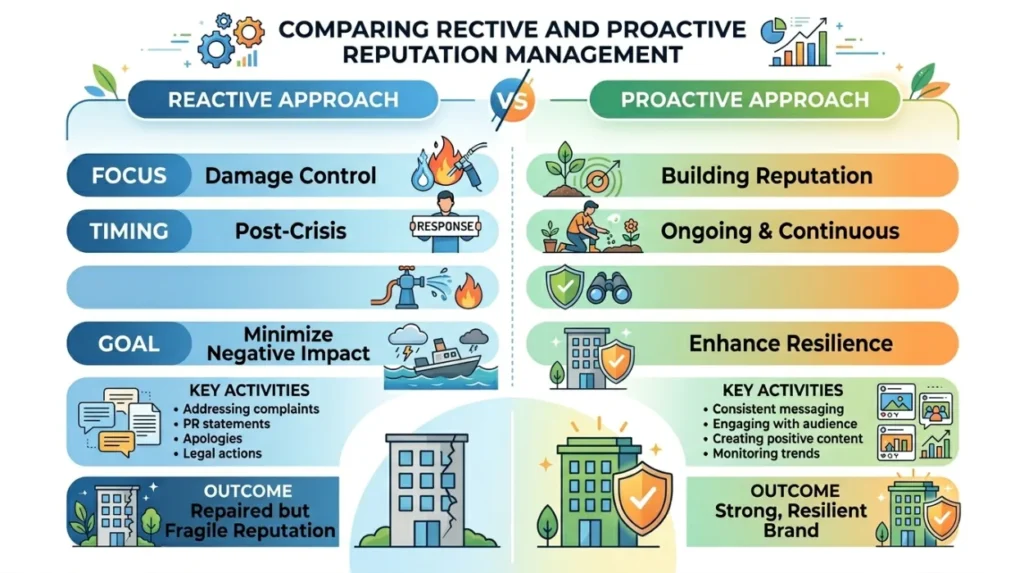
Reactive and proactive reputation management approaches differ in timing, objective, and search ecosystem impact.
Reactive reputation management is a response-oriented approach that operates after reputation-related content has already entered public visibility. Content removal strategies typically fall within this category because they address existing information. The objective is to evaluate and reduce the influence of identified reputation risks.
Proactive reputation management focuses on building and maintaining positive reputation signals before significant risks emerge. This approach involves strengthening digital assets, increasing authority signals, and improving information consistency across online environments. Search engines interpret these activities as indicators of entity credibility and content relevance.
Reactive approaches provide targeted intervention for specific issues, while proactive approaches contribute to long-term search visibility stability. Evaluating content removal services requires understanding how reactive measures fit into broader reputation ecosystems. Search perception develops cumulatively, meaning that individual content decisions influence wider reputation structures over time.
Entity credibility is influenced by both approaches. Reactive strategies address immediate concerns, while proactive strategies contribute to sustainable reputation development and stronger sentiment distribution.
How Can Transparency Be Used as an Evaluation Framework?
Transparency functions as an evaluation framework because it reveals procedural quality and accountability standards.
Transparent services define methodologies, explain limitations, document review stages, and clarify evidence requirements. This information allows stakeholders to assess whether processes align with recognised content governance principles. Transparency therefore acts as a measurable indicator of operational maturity.
Opaque approaches often focus on outcomes without explaining mechanisms. This limits the ability to evaluate procedural accuracy and creates uncertainty regarding assessment quality. Search ecosystems rely on traceable signals and verifiable information. Transparency reflects these same principles by providing visibility into decision-making processes.
The evaluation of transparency includes analysing communication standards, documentation practices, reporting structures, and procedural explanations. These elements collectively demonstrate whether a provider prioritises accountability and analytical rigour.
Which Transparency Factors Matter Most?
The most important transparency factors include:
- Define methodologies clearly to explain how content is assessed.
- Outline procedural stages to show how reviews progress.
- Specify evidence requirements to establish verification standards.
- Clarify limitations openly to ensure realistic interpretation of outcomes.
These factors improve evaluative accuracy and strengthen confidence in procedural integrity.
How Do Evidence Standards Affect Content Removal Effectiveness?
Evidence standards affect effectiveness because review decisions depend on verifiable information.
Content evaluation systems prioritise documentation over subjective interpretation. Platforms, publishers, and regulatory reviewers assess requests using supporting evidence to determine whether content violates applicable standards. The quality of evidence therefore directly influences procedural outcomes.
Evidence-based approaches rely on factual documentation, publication records, policy references, timestamps, indexing information, and contextual verification. These elements provide objective support for content assessments. Weak evidence frameworks reduce analytical precision and increase the likelihood of procedural rejection.
Search engines evaluate information quality through credibility signals. Evidence standards mirror this principle by establishing factual foundations for content-related decisions. Evaluating services therefore involves examining how documentation is collected, organised, and applied throughout the assessment process.
How Should Long-Term Reputation Impact Be Evaluated?
Long-term reputation impact should be evaluated through sustainability, search visibility influence, and digital footprint development.
A digital footprint is the cumulative record of online information associated with an entity. Reputation management decisions influence this footprint over time. Content removal represents one component of a broader information environment that includes reviews, media coverage, social content, and authoritative digital assets.
Sustainability analysis measures whether a strategy contributes to lasting improvements in reputation signals. Search ecosystems continuously reassess information according to relevance, authority, and freshness. Long-term evaluation therefore focuses on how strategies interact with evolving search environments rather than isolated incidents.
Sentiment distribution provides an additional evaluation framework. Search results containing balanced and credible information create different perception outcomes than environments dominated by a single content category. Effective evaluation considers how content removal influences broader reputation structures rather than focusing solely on immediate visibility changes.
Within this context, organisations and individuals often compare assessment criteria before selecting an approach. This comparison naturally connects to broader decision-making frameworks such as Choose the Right UK Content Removal Service With Confidence Using These Criteria, where evaluation moves from analysis into selection considerations.
Evaluating UK content removal services requires analysing methodology, transparency, regulatory competence, evidence standards, and long-term reputation implications. Content removal functions within a broader reputation management ecosystem where search visibility, trust signals, sentiment distribution, and entity credibility interact continuously.
Content suppression and content removal represent distinct mechanisms with different operational objectives. Reactive and proactive approaches contribute differently to reputation outcomes, while transparency and evidence quality influence procedural effectiveness. Understanding these differences enables more accurate evaluation of reputation management methods and their impact on search ecosystem dynamics.
How do I evaluate a content removal service in the UK?
Evaluate a content removal service by reviewing its transparency, content assessment process, evidence requirements, and understanding of UK regulations. A structured evaluation helps determine whether the provider uses appropriate legal and policy based review methods.
What factors affect the effectiveness of content removal services?
Effectiveness depends on content type, platform policies, supporting evidence, and the legal basis for the request. Content removal outcomes are influenced by how accurately information is assessed and classified before submission.
Is content removal better than content suppression for reputation management?
Content removal and content suppression serve different purposes within reputation management. Content removal focuses on eliminating or restricting information, while content suppression aims to reduce visibility through stronger competing content in search results.
Why is transparency important when comparing UK content removal services?
Transparency helps users understand the provider’s methodology, documentation standards, reporting process, and procedural limitations. Clear processes allow for more accurate comparison of content removal services and reputation management approaches.
How can Clear Your Name help users understand content removal evaluation criteria?
Clear Your Name provides information about content removal assessment, online reputation management, digital footprints, and search visibility factors. Understanding these evaluation criteria helps users compare UK content removal services before making a decision.