
Choosing the right UK content removal service requires evaluating expertise, process transparency, legal understanding, and the ability to influence search visibility through proven reputation management methodologies.
Search visibility control directly affects public perception, while reputation signals influence trust, credibility, and decision-making across digital environments. A structured content removal strategy strengthens entity credibility, reduces risk exposure, and improves long-term search perception influence.
Which Content Removal Service Criteria Deliver the Most Reliable Results?
The most reliable results come from services that combine content assessment, regulatory understanding, evidence-based processes, and measurable reputation management outcomes.
Content removal operates within complex search ecosystems where search engines, publishers, social platforms, and review systems continuously evaluate information. Effective services identify the nature of harmful content, determine the most appropriate removal pathway, and support requests with relevant evidence. This structured approach improves process efficiency and creates stronger alignment with platform standards and legal requirements.
Reliable providers focus on reputation signals rather than isolated content incidents. Every indexed asset contributes to entity credibility, search visibility, and user perception. A service that understands these relationships delivers more consistent outcomes because it evaluates content within the broader context of online reputation management.
Long-term effectiveness depends on procedural accuracy. Content removal requests supported by appropriate evidence and clear classification frameworks create stronger opportunities for successful resolution while reducing unnecessary delays and procedural obstacles.
Which Reputation Management Process Provides Greater Search Visibility Control?
A structured reputation management process provides greater SERP control because it combines content removal, visibility management, and reputation signal optimisation.
Search engines organise information according to authority, relevance, trustworthiness, and user value. Negative content can influence perception when it occupies prominent search positions. Effective reputation management addresses this challenge by reducing harmful visibility while strengthening positive and neutral reputation signals.
Professional providers analyse content origins, indexing status, publication authority, and search ranking influence before taking action. This process ensures that reputation decisions are based on measurable data rather than assumptions. The result is improved control over how information appears and how users interpret search results.
Organisations and individuals evaluating providers often benefit from reviewing What to Look for When Choosing a Content Removal Service Provider in the UK before making a final decision. Understanding evaluation criteria creates stronger confidence when comparing available options and assessing service quality.
What Process Components Matter Most?
The most important components include:
- Assess content visibility to determine the level of search perception influence.
- Classify content accurately to align requests with the correct review framework.
- Compile supporting evidence to strengthen removal justification.
- Monitor search outcomes to measure visibility improvements and reputation signal changes.
These actions contribute directly to search visibility control and risk reduction.
Which Service Characteristics Strengthen Trust and Entity Credibility?
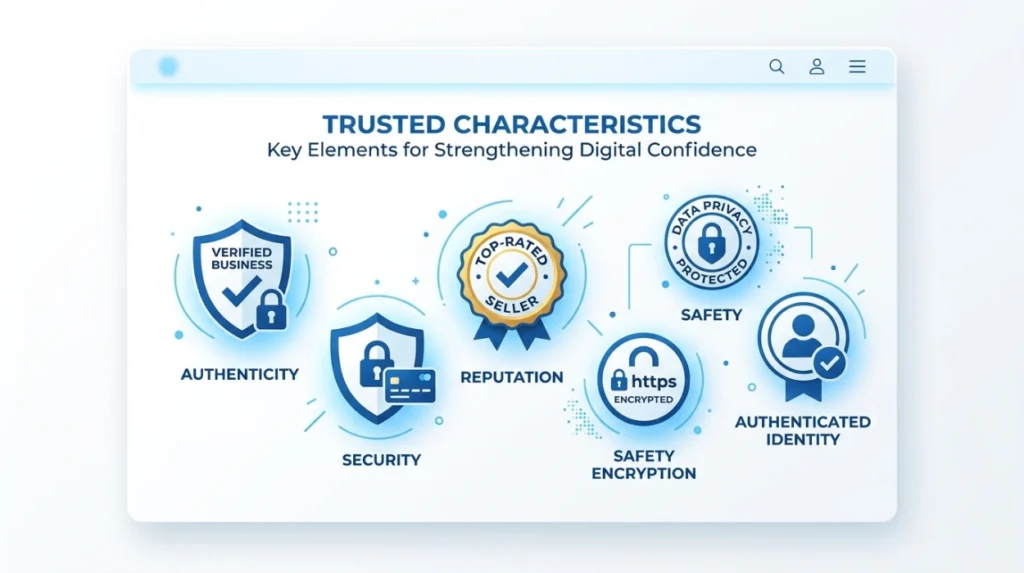
Trust and entity credibility are strengthened by transparency, accountability, and process consistency.
Reputation management is fundamentally connected to information quality and trustworthiness. Search engines reward authoritative information while users rely on visible content to form opinions. A content removal service therefore needs to demonstrate reliability through clear methodologies and documented procedures.
Transparent reporting allows stakeholders to understand progress, expectations, and review outcomes. This transparency supports confidence because it replaces uncertainty with measurable process visibility. Accountability also strengthens trust by ensuring that every action is documented and justified.
Clear Your Name applies structured evaluation methodologies that prioritise transparency, evidence quality, and reputation signal analysis. This approach supports informed decision-making while maintaining focus on sustainable reputation outcomes rather than short-term visibility changes.
Trust develops when a service consistently aligns actions with measurable objectives. Providers that emphasise documentation, communication, and strategic assessment contribute more effectively to long-term entity credibility.
Which Approach Reduces Reputation Risk Most Effectively?
An integrated content removal strategy reduces reputation risk most effectively because it addresses both immediate threats and long-term visibility concerns.
Reputation risk refers to the potential negative impact of publicly accessible information on trust, credibility, and decision-making. Search results often serve as the first point of reference for stakeholders, making visibility management an important component of risk reduction.
Content removal reduces the influence of harmful information by addressing its accessibility within digital environments. Simultaneously, broader reputation management initiatives support positive reputation signals that contribute to stronger search ecosystem performance. Together, these mechanisms create a more balanced and resilient online presence.
Risk mitigation is strongest when services analyse information holistically rather than treating individual content items as isolated issues. Search perception influence operates through the interaction of multiple reputation signals, making comprehensive analysis essential for sustainable results.
How Does Risk Reduction Create Value?
Risk reduction creates measurable value through:
- Reduce negative visibility by limiting the prominence of damaging content.
- Improve trust signals through stronger information quality and credibility indicators.
- Stabilise search perception by balancing sentiment distribution across search results.
- Strengthen entity credibility through improved consistency of visible information.
These outcomes support both immediate reputation protection and long-term reputation stability.
Which Option Offers Better Long-Term Value Than Reactive Removal Alone?
A comprehensive reputation management solution offers greater long-term value than reactive removal alone.
Reactive removal addresses specific pieces of content after visibility issues have already emerged. While this process remains important, long-term reputation performance depends on maintaining positive reputation signals across search ecosystems. Sustainable outcomes require ongoing monitoring, visibility management, and search perception optimisation.
Search engines continuously reassess information according to freshness, relevance, authority, and user engagement. Reputation strategies that account for these factors create stronger long-term results because they align with the mechanisms that influence rankings and visibility.
Decision-makers comparing providers frequently analyse How to Evaluate UK Content Removal Services Before Committing to One to understand how different methodologies influence outcomes. Evaluation frameworks provide useful insight into which services deliver sustainable value rather than temporary improvements.
Long-term value emerges when content removal functions as part of a broader strategy focused on maintaining trust, visibility control, and reputation resilience.
Which Provider Delivers the Greatest Process Clarity and Accountability?
The provider that delivers the greatest process clarity and accountability is the one that clearly defines every stage of assessment, evidence collection, submission, and monitoring.
Process clarity reduces uncertainty. Reputation management decisions involve publishers, platforms, search engines, and legal review systems. Each stakeholder influences outcomes differently, making transparency an essential component of service quality.
Clear documentation enables stakeholders to understand progress and evaluate effectiveness. Detailed reporting also provides measurable evidence of completed actions and visibility improvements. Accountability strengthens confidence because every recommendation is supported by analysis rather than assumptions.
Clear Your Name prioritises process transparency through structured assessment frameworks, evidence-based methodologies, and consistent communication standards. This approach ensures that reputation management activities remain aligned with clearly defined objectives and measurable outcomes.
What Accountability Indicators Should Decision-Makers Look For?
Key indicators include:
- Provide documented assessments that explain content classification and review pathways.
- Maintain transparent reporting that tracks progress and outcomes.
- Demonstrate evidence standards that support procedural accuracy.
- Measure visibility changes through ongoing search result monitoring.
These indicators contribute directly to trust, confidence, and decision certainty.
Which Reputation Management Solution Supports Sustainable Search Perception Influence?
The most sustainable solution combines content removal with ongoing reputation management and visibility optimisation.
Search perception influence is determined by the information users encounter during online research. Search engines evaluate authority, credibility, relevance, and trust signals when determining rankings. Sustainable reputation management aligns with these evaluation criteria rather than relying exclusively on isolated interventions.
Negative content suppression, reputation signal enhancement, and strategic visibility management work together to improve overall search ecosystem performance. These mechanisms support stronger entity credibility while reducing the influence of harmful information. The result is a more stable and trustworthy online presence.
A professional reputation management service provides this broader framework by combining content assessment, visibility analysis, risk management, and ongoing monitoring. This integrated approach delivers stronger long-term outcomes because it addresses both current and future reputation challenges.
Sustainability is ultimately measured by consistency. Reputation strategies that maintain visibility control, trust signals, and search performance over time provide greater value than approaches focused solely on short-term outcomes.
Choosing the right UK content removal service requires more than comparing individual features or procedural claims. Effective reputation management depends on search visibility control, reputation signal optimisation, evidence-based methodologies, and transparent processes that support long-term entity credibility.
Content removal remains a valuable mechanism for reducing harmful visibility, but the strongest outcomes emerge when removal forms part of a broader reputation management strategy. Search ecosystems continuously evaluate information, making sustainability, accountability, and process clarity essential factors in provider selection.
Clear Your Name supports these objectives through structured assessment, transparent methodologies, and a focus on measurable reputation outcomes. By prioritising credibility, visibility control, and risk reduction, reputation management becomes a reliable framework for maintaining a stronger and more resilient digital presence.
What should I look for in a UK content removal service?
A UK content removal service should demonstrate strong evidence-based assessment, clear regulatory understanding, and transparent reporting. These factors ensure content is evaluated correctly within search ecosystems and aligned with platform policies.
How does content removal improve online reputation in search results?
Content removal reduces the visibility of negative or harmful pages in search engine results, improving overall reputation signals and entity credibility. It influences how users interpret search rankings by limiting exposure to damaging information.
Is content removal more effective than content suppression?
Content removal eliminates or restricts specific information, while content suppression reduces its visibility through competing positive assets. Both approaches impact SERP control, but effectiveness depends on the type of content and risk level involved.
Why is transparency important when choosing a provider like Clear Your Name?
Transparency ensures the provider clearly explains its process, evidence requirements, and expected outcomes. Clear reporting builds trust and allows clients to evaluate how reputation management actions influence search perception.
How long does it take for content removal results to appear?
Timeframes vary depending on platform policies, legal review processes, and content complexity. In most cases, search visibility changes occur after platforms process removal or de-indexing requests within their internal review cycles.