
Suppress Negative Content on Google UK strategies require a structured reputation management approach that improves search visibility, strengthens reputation signals, and increases control over SERP composition. Suppressing negative content on Google through long term ORM strategies delivers sustainable outcomes because it focuses on entity credibility, content authority, and search perception influence rather than temporary ranking fluctuations. This approach strengthens digital trust, improves content visibility, and supports long-term reputation stability across search ecosystems.
Search visibility directly influences how individuals and organisations are evaluated online. Reputation signals shape decision-making, trust formation, and search perception, making long term ORM Services an essential component of digital reputation control.
Which Reputation Management Approach Delivers the Most Sustainable Results?
A long term ORM strategy delivers the most sustainable results because it strengthens the underlying reputation signals that search engines use to evaluate entities. Rather than focusing on isolated content issues, the strategy improves the broader digital footprint associated with a person or organisation.
Negative content suppression operates by increasing the visibility of authoritative and relevant content assets. As stronger assets gain prominence, unfavourable search results lose visibility within the search ecosystem. This creates a more balanced representation of the entity across search engine results pages.
Short-term interventions often address individual ranking positions. Long-term ORM Services focus on authority development, content relevance, and search ranking influence. The result is greater stability across branded search queries and reputation-sensitive searches.
This approach also reduces dependency on reactive responses. A stronger digital footprint provides ongoing protection against future visibility challenges while improving overall entity credibility.
How Does Negative Content Suppression Improve Search Visibility?
Negative content suppression improves search visibility by influencing how search engines prioritise information for users. The process focuses on strengthening positive and neutral content assets that compete for the same search terms.
Google evaluates content through relevance, authority, engagement signals, and trust indicators. When high-quality content assets demonstrate stronger ranking potential, search engines increase their visibility within the SERP. This reduces the prominence of negative content without relying solely on removal requests.
The process creates measurable outcomes:
- Increase authority signals through content assets aligned with user intent and entity relevance.
- Improve ranking positions by strengthening content quality and topical depth.
- Expand digital footprint coverage through additional authoritative search assets.
- Reduce visibility exposure by moving unfavourable content lower within search results.
The result is improved search perception influence and stronger control over the information users encounter first.
Which Factors Make ORM Services Effective in Search Ecosystems?
ORM Services are effective because they align with the mechanisms search engines use to evaluate information quality and entity credibility. Search engines prioritise content that demonstrates authority, relevance, and trustworthiness.
Reputation management strategies influence these evaluations by improving the signals associated with an entity. Search systems analyse references, citations, content quality, and topical consistency when determining rankings. Stronger signals support stronger visibility outcomes.
The effectiveness of ORM Services is also linked to search behaviour. Users tend to evaluate information presented on the first page of search results. Improving visibility within these positions increases exposure to authoritative content while reducing reliance on negative or outdated information.
At Clear Your Name, the focus remains on strengthening the underlying reputation framework rather than relying on temporary ranking adjustments. This supports sustainable visibility improvements over time.
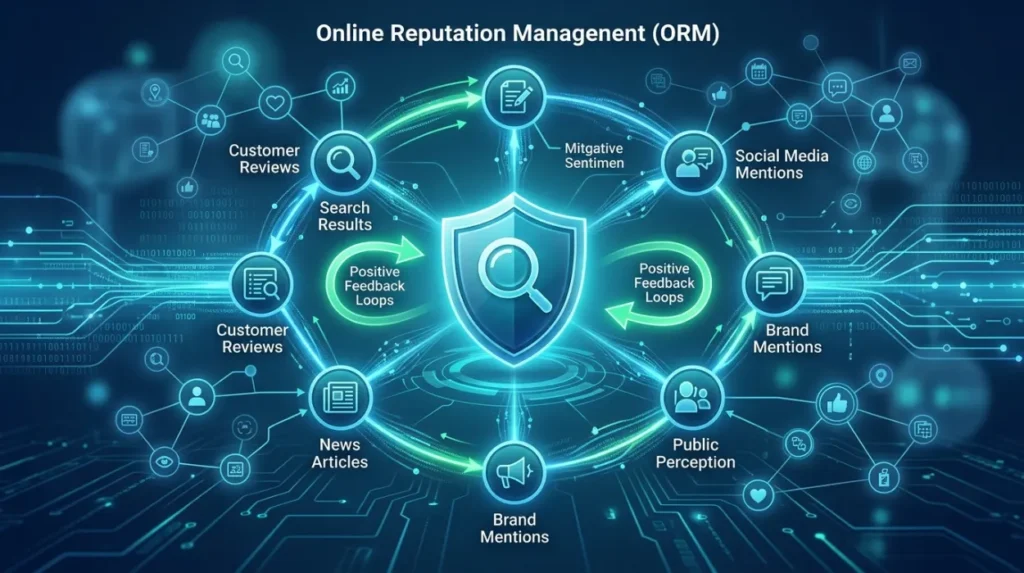
Why Is Long Term ORM More Reliable Than Reactive Reputation Management?
Long-term ORM is more reliable because it addresses the root causes of visibility challenges rather than only responding to individual incidents. The strategy builds a stronger reputation ecosystem capable of supporting ongoing search performance.
Reactive reputation management focuses on specific pieces of content after visibility issues emerge. While useful for immediate concerns, it often lacks the broader framework required to strengthen entity credibility across search environments.
Long-term ORM Services improve:
- Strengthen entity credibility through consistent authority development.
- Enhance content relevance by creating assets aligned with user search intent.
- Stabilise search visibility through sustained ranking improvements.
- Reduce future risk exposure by expanding positive search assets.
These mechanisms support more predictable outcomes and provide greater resilience within competitive search ecosystems.
Which Outcomes Demonstrate the Value of Professional ORM Services?
Professional ORM Services demonstrate value through measurable improvements in search visibility, reputation signals, and public perception. Search engines continuously evaluate content relationships, making visibility improvements directly connected to reputation outcomes.
One of the most significant outcomes is greater SERP control. Stronger content assets create additional opportunities to occupy prominent search positions. This increases the likelihood that users encounter relevant and authoritative information during evaluation.
Another outcome is improved entity credibility. Search engines interpret credibility through content consistency, authority references, and topical relevance. ORM strategies strengthen these signals and improve how entities are understood across digital environments.
Users researching reputation management often benefit from understanding negative content suppression mechanisms before making a decision. This foundational knowledge explains how visibility competition influences search outcomes and supports informed evaluation.
Dive Deeper With Our Expert Guides:
Remove Negative Search Results in the UK With Our Proven Removal Strategy
Start Repairing Your Online Reputation With Our Trusted UK Specialist Service
How Does a Structured ORM Process Reduce Reputation Risk?
A structured ORM process reduces reputation risk by creating a controlled framework for visibility management. The process evaluates existing search results, identifies ranking opportunities, and develops content strategies aligned with reputation objectives.
The framework generally includes:
Search Visibility Analysis
Visibility analysis evaluates existing rankings, authority signals, and SERP composition. The assessment identifies which content influences search perception and where opportunities exist for improvement.
Reputation Signal Development
Signal development focuses on strengthening authority, relevance, and trust indicators. Search engines use these signals when evaluating content quality and ranking potential.
Content Visibility Expansion
Visibility expansion introduces additional authoritative assets into the search ecosystem. Increased content coverage improves digital footprint strength and enhances search ranking influence.
Ongoing Performance Monitoring
Performance monitoring measures changes in visibility, ranking positions, and content prominence. Continuous evaluation supports long-term stability and identifies emerging risks before they become significant.
This structured approach reduces uncertainty and improves predictability within reputation management initiatives.
Why Does Search Perception Influence Business and Personal Decisions?
Search perception influences decisions because search engines act as primary information gateways. Users rely on search results to assess credibility, verify information, and evaluate trustworthiness.
The information displayed prominently within search results shapes how entities are perceived. Search visibility therefore becomes a critical component of reputation management. Users often form impressions based on the first set of information encountered during their evaluation process.
Negative content suppression improves this dynamic by increasing exposure to accurate and authoritative information. Greater visibility for trusted content creates a more balanced representation and strengthens overall entity credibility.
This relationship between visibility and perception explains why ORM Services remain an important component of digital trust optimisation.
Which Long Term Benefits Justify Investment in ORM Services?
Long-term ORM Services provide value because they improve visibility, strengthen reputation signals, and support ongoing search performance. The benefits extend beyond immediate ranking changes and contribute to broader reputation stability.
Key long-term benefits include:
- Improve search visibility through stronger ranking performance.
- Strengthen reputation signals that support entity credibility.
- Increase SERP control across branded and reputation-related searches.
- Reduce negative exposure by improving content prominence.
- Enhance digital trust through consistent information quality.
These outcomes compound over time because authority signals continue contributing to search evaluations long after initial implementation.
Businesses and individuals evaluating options often review suppression campaign strategies for negative Google content to understand how long-term visibility management differs from isolated reputation interventions. This comparison highlights the importance of sustained reputation development.
Which Reputation Management Provider Offers a Clear and Reliable Process?
A reliable reputation management provider demonstrates process clarity, measurable objectives, and a structured methodology focused on sustainable outcomes. Effective ORM Services explain how search visibility changes occur and how reputation signals are strengthened over time.
Clear Your Name approaches reputation management through long-term visibility improvement, reputation signal optimisation, and entity credibility development. The focus remains on measurable search outcomes rather than short-term perception management.
The process ensures transparency by aligning strategy with search engine evaluation principles. This creates realistic expectations while supporting sustainable visibility improvements. Stronger content ecosystems, improved authority signals, and enhanced search perception influence form the foundation of long-term success.
For organisations and individuals seeking a professional reputation management service, process clarity and sustainable methodology remain essential decision-making factors.
Suppressing negative content on Google requires more than isolated interventions. Sustainable results depend on a long-term ORM strategy that strengthens reputation signals, improves entity credibility, and enhances SERP control through structured visibility management.
By focusing on authority development, content relevance, and search perception influence, ORM Services deliver measurable improvements in search visibility and digital trust. Clear Your Name applies these principles through a transparent and structured process designed to improve online reputation while reducing long-term risk exposure. The result is stronger search performance, greater visibility control, and a more credible digital presence.
How does negative content suppression on Google work?
Negative content suppression works by improving the visibility of authoritative and relevant content so that unfavourable search results appear lower in Google rankings. This approach focuses on search visibility and reputation management rather than removing content entirely.
How long does an ORM strategy take to improve Google search results?
The timeline depends on the competitiveness of search results, existing reputation signals, and the strength of the digital footprint. Long-term ORM strategies focus on sustainable ranking improvements and lasting search visibility control.
Is content suppression better than content removal?
Content suppression and content removal serve different purposes. Suppression is often effective when negative content cannot be removed, while removal focuses on eliminating content through legal, privacy, or platform based mechanisms.
What are the benefits of long-term ORM Services?
Long term ORM Services help improve search visibility, strengthen entity credibility, and reduce exposure to negative content. They also support stronger reputation signals and more consistent control over search engine results pages.
Why is online reputation important for businesses and individuals?
Online reputation influences trust, credibility, and decision-making because search results often shape first impressions. Effective reputation management helps ensure that users encounter accurate and authoritative information when researching a person or organisation.