
Removing negative press and strengthening online reputation improves search visibility, reinforces trust signals, and restores control over how a business is evaluated online. Effective reputation management creates a balanced search environment where accurate and authoritative information influences decision-making.
Remove Negative Press About Your Business is a key objective of reputation management because search visibility directly influences how information is discovered and evaluated online. Search visibility control is a critical component of modern reputation management because search results shape first impressions before direct engagement occurs. Reputation signals influence entity credibility, customer confidence, and search perception influence across digital ecosystems.
Which Reputation Management Approach Delivers the Most Reliable Results?
A structured combination of Article Removal Services, negative content suppression, and authority-building content delivers the most reliable reputation outcomes. Each method influences different components of search ecosystems, creating a comprehensive approach to SERP control.
Article Removal Services focus on reducing the presence of harmful content when removal, correction, or deindexing opportunities exist. This process directly targets negative information sources rather than only competing against them in search results. When successful, removal changes the composition of searchable information associated with a business.
Negative content suppression operates by increasing the visibility of authoritative and relevant content. Search engines evaluate ranking signals continuously, meaning stronger content assets improve search ranking influence and reduce the prominence of negative results. This mechanism improves information balance without relying solely on removal outcomes.
The most effective reputation management strategy combines direct intervention with long-term authority development. This creates sustainable reputation signals that continue supporting entity credibility over time.
Why Do Article Removal Services Influence Search Perception More Directly?
Article Removal Services influence search perception directly because they address the source of the reputation challenge. Rather than only changing ranking positions, removal strategies focus on reducing the availability of harmful information within search ecosystems.
Search engines rely on indexed content when constructing entity understanding. When negative content is removed, corrected, or deindexed, search algorithms receive fewer negative reputation signals connected to the entity. This improves the overall information profile associated with the business.
Visibility reduction also strengthens trust evaluation. Users assess businesses based on the information available during search activity. A cleaner search environment improves perception stability and reduces the influence of adverse content on decision-making processes.
For organisations facing persistent reputation challenges, a professional reputation management service provides structured evaluation, removal assessment, and visibility management within a single reputation framework.
Which Outcomes Demonstrate That Reputation Management Is Working?
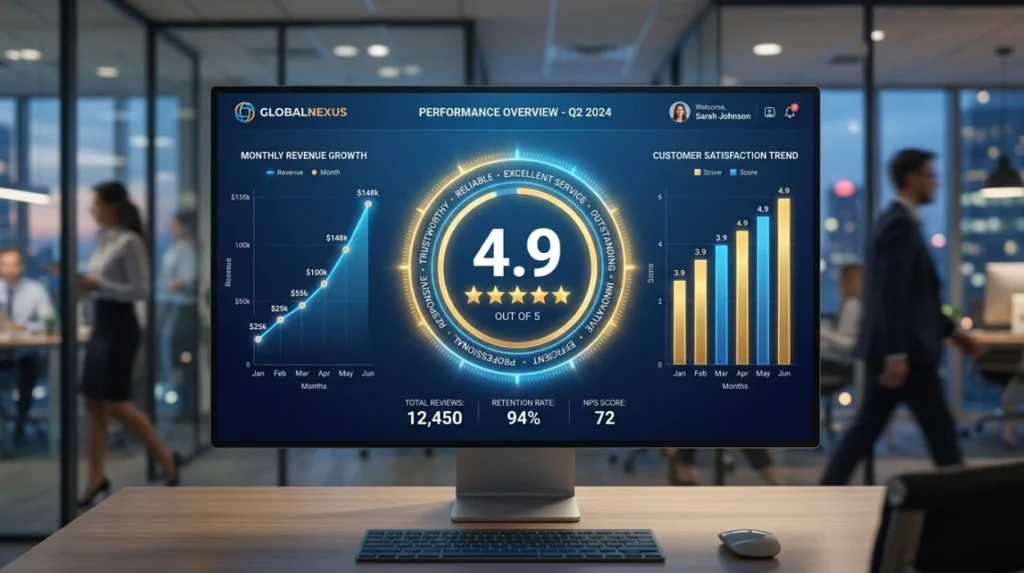
Improved search visibility, stronger entity credibility, and balanced SERP composition demonstrate measurable reputation improvement. These outcomes reflect changes in both search engine interpretation and user perception.
Search visibility improvement occurs when positive, neutral, and authoritative content gains stronger rankings than harmful information. This alters how users encounter information during branded searches and increases control over reputation presentation.
Entity credibility strengthens when authoritative content dominates the information environment. Search engines interpret consistent and reliable information as evidence of trustworthiness, improving reputation signals across indexed properties.
The most important measurable outcomes include:
- Reduce negative visibility by lowering the prominence of harmful content within branded search results.
- Strengthen reputation signals through authoritative content that reinforces expertise and credibility.
- Improve search perception influence by increasing exposure to trusted information sources.
- Stabilise entity associations by creating stronger connections between the business and positive topical themes.
- Increase SERP control through strategic management of search result composition.
These outcomes contribute directly to improved trust evaluation and long-term reputation resilience.
How Does Reputation Management Reduce Business Risk?
Reputation management reduces business risk by controlling the information environment that influences stakeholder decisions. Search visibility often determines how customers, partners, investors, and prospects evaluate credibility before engagement occurs.
Negative information creates risk because it introduces competing trust signals into decision-making processes. When adverse content dominates search results, entity credibility becomes more difficult to establish. This affects perception regardless of operational performance.
A structured reputation strategy reduces exposure to these risks by improving information balance. Search engines evaluate available content continuously, making visibility management an essential component of risk mitigation.
Businesses that understand negative news and customer trust often recognise that search visibility directly influences reputation outcomes. Understanding how information enters search ecosystems provides important context when evaluating long-term reputation solutions.
Which Reputation Management Process Creates Sustainable Results?
A process focused on analysis, intervention, content authority, and ongoing monitoring creates the most sustainable results. Sustainability depends on maintaining strong reputation signals rather than relying on temporary visibility changes.
How Does the Process Work?
- Analyse reputation signals by evaluating search visibility, entity associations, and sentiment distribution.
- Identify removal opportunities through structured assessment of negative content sources.
- Implement suppression strategies by strengthening authoritative content assets.
- Expand digital authority through trusted content development and reputation enhancement.
- Monitor search environments to maintain visibility improvements and reputation stability.
This framework ensures that reputation management remains aligned with search engine behaviour and evolving ranking environments.
Clear Your Name applies this structured methodology to improve visibility control, strengthen entity credibility, and reduce long-term reputation risk. The emphasis remains on measurable outcomes rather than short-term perception adjustments.
How Does the Long Term Value of Reputation Management Compare With the Cost of Inaction?
The long-term value of reputation management exceeds the cost of inaction because search visibility influences perception continuously. Every branded search creates an opportunity for users to evaluate credibility based on available information. When negative content remains prominent, adverse reputation signals continue affecting decision-making.
The cost of inaction is measured through reduced trust, weaker entity credibility, and diminished control over search perception influence. Search engines continue indexing and ranking information according to relevance and authority, meaning unmanaged negative content can maintain visibility for extended periods.
Reputation management delivers value by improving information balance and strengthening search result quality. Enhanced visibility control creates a more accurate representation of a business across digital environments. This improves trust evaluation and supports stronger reputation signals over time.
Long-term reputation value also increases because authoritative content assets continue contributing positive ranking influence. Unlike temporary visibility fluctuations, a well-managed reputation framework creates sustainable improvements in SERP composition.
How Quickly Can Reputation Management Influence Search Results?
Reputation management influences search results according to indexing cycles, ranking dynamics, and content authority factors. Different strategies produce outcomes at different stages of the reputation management process.
Article Removal Services often create the most direct impact when removal, correction, or deindexing opportunities are available. Once content is removed or search visibility changes occur, search engines update indexed information and adjust rankings accordingly.
Negative content suppression operates through competition within search ecosystems. Authoritative content requires indexing, evaluation, and ranking progression before achieving stronger visibility positions. The process is systematic because search engines evaluate quality and relevance continuously.
Long-term authority development delivers progressive improvements. Each new authoritative asset contributes additional reputation signals that strengthen entity credibility and search ranking influence. The cumulative effect improves visibility control and perception stability.
The speed of impact depends on the existing reputation landscape, but structured reputation management consistently improves information balance through measurable search visibility changes.
Which Factors Make a Reputation Management Provider Reliable?
A reliable reputation management provider demonstrates process clarity, measurable methodologies, and expertise in search ecosystem behaviour. Reliability is established through transparency and strategic execution rather than broad claims.
Search perception influence requires an understanding of content indexing, authority evaluation, and entity association systems. Effective providers analyse these mechanisms before implementing reputation management actions.
A reliable framework includes:
- Evaluate search visibility through detailed assessment of ranking positions and reputation signals.
- Identify risk exposure by analysing harmful content sources and authority levels.
- Implement targeted solutions using removal assessments and negative content suppression methods.
- Measure visibility improvements through ongoing monitoring and reporting processes.
- Maintain reputation stability through continuous authority development and search environment analysis.
These processes create accountability and ensure that reputation management activities align with measurable objectives.
Dive Deeper With Our Expert Guides:
Remove negative news articles from Google and take control of your online reputation
Professional content suppression and removal services to eliminate negative search results
Why Does Trust Restoration Depend on Search Visibility Control?
Trust restoration depends on search visibility control because users frequently form opinions based on search results before engaging with a business. Search engines function as primary information gateways, making visibility a significant influence on perception.
Reputation signals contribute directly to trust evaluation. Authoritative content, balanced sentiment distribution, and positive entity associations reinforce credibility. Negative visibility weakens these signals by increasing exposure to adverse information.
Search visibility control improves trust restoration by influencing the information users encounter first. When authoritative and accurate content becomes more prominent, search perception shifts toward a more balanced representation of the business.
Trust restoration also benefits from consistency. Search engines reward stable and reliable information environments, strengthening entity credibility over time. This creates a stronger foundation for sustainable reputation improvement.
Businesses seeking long-term reputation recovery often examine negative press response strategies to understand how visibility management influences trust and search perception outcomes.
Which Reputation Management Solution Delivers the Greatest Control Over Online Perception?
A reputation management solution that combines Article Removal Services, negative content suppression, authority development, and ongoing monitoring delivers the greatest level of online perception control. Each component addresses a different aspect of search ecosystem behaviour.
Removal strategies reduce the presence of harmful information when actionable opportunities exist. Suppression strategies improve information balance by strengthening positive visibility. Authority development expands the volume of trusted content connected to the business.
Monitoring ensures that reputation improvements remain sustainable. Search engines continuously update rankings and evaluate new information, making ongoing analysis essential for maintaining results.
This integrated approach delivers stronger SERP control because it addresses both content availability and content visibility. The result is a more stable and credible digital reputation environment.
Clear Your Name focuses on combining these methodologies into a structured reputation management framework. By integrating visibility analysis, removal assessment, authority enhancement, and monitoring processes, the approach strengthens entity credibility while reducing reputation risk exposure.
Removing negative press and strengthening online reputation improves search visibility, enhances entity credibility, and creates greater control over search perception influence. Reputation management is most effective when removal strategies, suppression methods, authority development, and monitoring frameworks operate together within a structured process.
Article Removal Services provide direct intervention opportunities, while content enhancement and negative content suppression improve long-term SERP composition. This combination strengthens reputation signals, stabilises perception, and supports sustainable trust restoration.
For businesses seeking reliable reputation outcomes, Clear Your Name provides a structured methodology focused on measurable visibility improvements, risk reduction, and long-term reputation stability. The emphasis remains on process clarity, search ecosystem expertise, and sustainable reputation management results.
How can negative press affect a business’s online reputation?
Negative press can influence online reputation by affecting search visibility, entity credibility, and customer trust. When negative content ranks prominently in search results, it becomes part of the reputation signals users evaluate before making decisions.
What are Article Removal Services and how do they work?
Article Removal Services focus on assessing whether negative content can be removed, corrected, updated, or deindexed from search ecosystems. The process aims to reduce the visibility and impact of harmful information associated with a business.
Can negative content be removed from Google search results?
Certain types of content may qualify for removal, correction, or deindexing depending on legal, policy, or publisher-specific criteria. When removal is not possible, reputation management strategies often focus on improving search result composition through authoritative content.
How does reputation management improve trust online?
Reputation management improves trust by strengthening positive reputation signals, increasing entity credibility, and improving search visibility. A balanced information environment helps users evaluate a business based on accurate and authoritative content.
Why is search visibility important for online reputation?
Search visibility influences how people perceive a business during online research. Prominent search results shape first impressions, making SERP control and reputation management important factors in building a strong and trusted online reputation.