Criminal record information in Google appears because search engines index publicly accessible content from courts, government databases, news publications, legal archives, and third-party websites. The duration of its visibility depends on content availability, indexing status, legal frameworks, and search engine evaluation systems.
Reputation management is a structured process that analyses how information is discovered, indexed, interpreted, and ranked across digital environments. Online reputation refers to the collective perception formed through search results, published content, authority signals, and digital footprints associated with an individual or entity.
Why Does Criminal Record Information Appear in Google Search Results?
Criminal record information appears in Google because search engines continuously crawl and index publicly available webpages. Google does not create criminal record content. It organises and retrieves information that already exists across the web and makes it discoverable through search queries.
Within search ecosystems, criminal record information refers to content that documents arrests, convictions, court proceedings, legal disputes, or judicial outcomes. When this information is published on accessible websites, it becomes eligible for content indexing. Search engines evaluate relevance, authority, and accessibility rather than the social consequences of publication.
The visibility of criminal record information is influenced by content ranking dynamics. Authoritative legal databases, government websites, recognised news publishers, and court repositories often possess strong trust signals. These signals increase the likelihood that criminal record content appears prominently within search engine results pages (SERPs).
Search engines interpret such content as factual documentation when it originates from credible sources. As a result, criminal record information becomes part of an individual’s digital footprint and contributes to entity perception across online environments.
How Does Google Discover and Index Criminal Record Content?
Google discovers criminal record content through automated crawling systems that scan publicly accessible webpages. Once content is identified, it undergoes processing, categorisation, and indexing before becoming eligible for ranking.
The indexing process involves multiple stages:
- Crawl content – Automated bots access webpages and identify textual information, metadata, and structured data associated with legal records.
- Process information – Algorithms analyse page relevance, authority indicators, publication context, and content structure to determine classification.
- Store indexed data – Relevant information is added to Google’s search index, making it available for retrieval when users perform searches.
- Evaluate ranking eligibility – Search systems assess reputation signals, topical relevance, authority metrics, and user intent alignment before determining visibility.
Criminal record information becomes searchable once these processes are completed. The presence of indexed information does not require active promotion by a website. Accessibility alone often enables search engine inclusion.
What Types of Criminal Record Information Commonly Appear Online?
Criminal record information appearing online originates from multiple publication sources that maintain public access policies. Each source contributes different forms of reputation-related data to search ecosystems.
Common categories include:
- Publish court records – Judicial decisions, case summaries, sentencing information, and legal proceedings are frequently archived online.
- Report news coverage – Media organisations publish articles covering arrests, investigations, trials, and convictions that remain accessible through digital archives.
- Maintain public registries – Government agencies often operate searchable databases containing legally available records.
- Distribute legal notices – Public notices, enforcement announcements, and regulatory disclosures may contain criminal record references.
Each category contributes distinct reputation signals. Search engines analyse source authority and content relevance when determining search visibility. As a result, information from highly trusted sources often achieves stronger ranking performance.
How Long Does Criminal Record Information Remain Visible in Google?

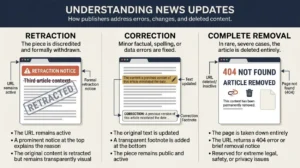
Criminal record information remains visible in Google for as long as the source content remains accessible and continues to satisfy indexing and ranking requirements. Search engines do not automatically remove content based on age alone.
Visibility duration depends on multiple factors. Content that remains published and technically accessible can persist within search results for extended periods. High-authority websites frequently retain historical records indefinitely, allowing search engines to revisit and re-evaluate content over time.
Search systems prioritise relevance and authority rather than recency in every situation. Some older criminal record content continues ranking because it possesses strong trust signals, extensive citation patterns, or historical significance. Consequently, information published years earlier may still influence entity perception within search environments.
The relationship between publication availability and indexing status is central to reputation management analysis. If source content remains available, search visibility often remains possible.
Why Do Older Criminal Records Continue Ranking in Search Results?
Older criminal records continue ranking because search algorithms evaluate authority, relevance, and content quality rather than age alone. Historical information frequently maintains search visibility when it remains linked to trusted sources.
Authority plays a significant role in ranking persistence. Court archives, established media outlets, and governmental repositories possess strong credibility indicators. Search systems interpret these indicators as evidence of reliability and informational value.
Older content also accumulates long-term authority signals. Citations, references, backlinks, and user engagement contribute to continued visibility. When these signals remain intact, search engines maintain confidence in the content’s relevance.
From a reputation perspective, ranking persistence demonstrates how search ecosystems prioritise information reliability over temporal distance. The age of content alone rarely determines removal from search results.
How Does Criminal Record Information Affect Online Reputation?
Criminal record information affects online reputation by influencing search visibility, entity perception, and credibility assessment. Search results often serve as primary information sources for users evaluating individuals or organisations.
Online reputation refers to the interpretation of available information across digital channels. When criminal record content appears prominently within SERPs, it becomes part of the broader perception framework associated with a searched name.
Search engines do not assign moral evaluations. Instead, they retrieve information according to relevance and authority signals. However, users perform their own assessments based on visible content. This process transforms indexed criminal record information into a reputation signal that influences perception.
The impact extends beyond a single webpage. Search visibility creates cumulative effects across digital footprints, where multiple indexed references reinforce informational prominence. Reputation management therefore examines both content presence and ranking behaviour when evaluating online credibility.
What Reputation Signals Influence Criminal Record Content Visibility?
Criminal record content visibility is influenced by reputation signals that help search systems evaluate content quality, trustworthiness, and relevance. These signals contribute to ranking decisions across search ecosystems.
Key signals include:
- Establish source authority – Government institutions, courts, and recognised publishers provide strong credibility indicators.
- Demonstrate content relevance – Accurate alignment with search queries increases retrieval likelihood.
- Maintain technical accessibility – Crawlable webpages support ongoing indexing and ranking eligibility.
- Generate citation patterns – References from other trusted sources strengthen perceived informational value.
Search algorithms combine these signals when evaluating indexed content. Visibility emerges from algorithmic assessment rather than manual selection. Understanding these mechanisms provides insight into how criminal record information achieves search prominence.
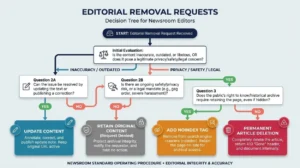
What Legal Routes Support the Removal of Criminal Record Information From Search Results?
Legal routes supporting removal requests vary according to jurisdiction, privacy legislation, data protection frameworks, and publication circumstances. The availability of a legal pathway depends on the nature of the content and the legal rights applicable to the individual concerned.
Certain legal frameworks evaluate factors such as public interest, informational accuracy, relevance, proportionality, and privacy considerations. These assessments determine whether search visibility remains justified within a particular legal context.
Data protection laws and privacy regulations frequently establish procedures for challenging the continued visibility of personal information. Courts and regulatory bodies evaluate competing interests involving transparency, public access, and individual privacy rights.
Within reputation management discussions, legal mechanisms represent formal processes that influence content accessibility and search visibility. Detailed examination of What Legal Routes Support a Criminal Record Removal Request From Google provides greater insight into the legal frameworks governing removal assessments.
Why Is Digital Footprint Analysis Important When Evaluating Criminal Record Visibility?
Digital footprint analysis is important because criminal record information rarely exists in isolation. Search ecosystems connect multiple sources, references, citations, and content formats into a broader informational network.
A digital footprint refers to the collection of indexed information associated with an individual across online environments. Criminal record content often interacts with news articles, legal databases, archived publications, and public records. Together, these sources contribute to overall entity perception.
Evaluating only a single search result provides an incomplete understanding of reputation dynamics. Comprehensive analysis examines indexing patterns, source authority, ranking behaviour, and visibility relationships across the wider information ecosystem.
This approach enables a more accurate assessment of how criminal record information influences search reputation and online credibility over time.
Criminal record information appears in Google because search engines index publicly accessible content and evaluate it through relevance, authority, and trust-based ranking systems. Visibility is determined by content indexing, source credibility, and search engine evaluation processes rather than the age of information alone.
Understanding how criminal record content enters search ecosystems requires analysis of digital footprints, reputation signals, SERP evaluation, and content ranking dynamics. Older records continue appearing when authoritative sources maintain publication and search systems continue recognising their informational value. Reputation management therefore focuses on understanding how information is created, interpreted, indexed, and ranked within modern search environments.
Why does my criminal record show up on Google?
Criminal record information can appear on Google when it is published on publicly accessible websites such as court databases, news archives, or legal records. Google indexes this content and displays it in search results based on relevance and authority signals.
How long does criminal record information stay on Google?
Criminal record information can remain visible in Google search results for as long as the original content stays online and continues to be indexed. The duration depends on the source website, legal requirements, and search engine indexing processes.
Can Google remove criminal record information from search results?
Google may review removal requests under certain legal and privacy frameworks, depending on the jurisdiction and nature of the content. Removal eligibility is typically assessed based on factors such as accuracy, relevance, and public interest.
What types of websites publish criminal record information?
Criminal record information is commonly published by court record databases, government agencies, legal repositories, and news organisations. These sources often have strong authority signals, which can contribute to their visibility in search engine results.
How does criminal record information affect online reputation?
Criminal record information can influence online reputation by shaping how individuals are perceived through search results. Search visibility, content prominence, and digital footprint signals all contribute to overall online credibility and entity perception.