
Reputation management strategies differ based on how search engines classify harmful, misleading, or infringing content within digital ecosystems.
Online reputation control methods are evaluated through their ability to influence content suppression, content visibility, and entity credibility signals across SERP structures.
What defines a compliant YouTube takedown request versus an incomplete submission?
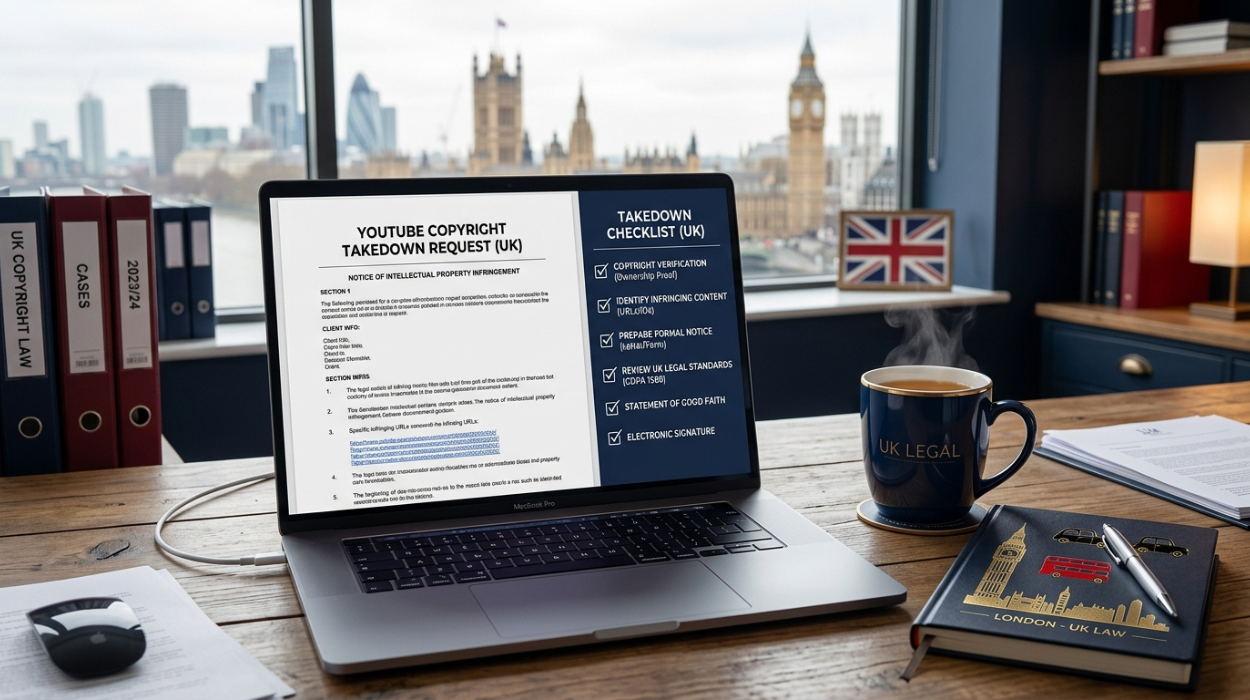
A compliant YouTube takedown request is a structured legal or policy-based submission that meets platform evidence standards and aligns with content violation frameworks. It operates through verification of rights, identification of harmful material, and classification of the violation type within platform governance systems.
An incomplete submission refers to a request that lacks sufficient evidence, unclear violation mapping, or inaccurate content identification. This weakens the platform’s ability to process the request through its content evaluation pipeline. Search systems interpret incomplete requests as low-confidence signals, which delays or prevents content suppression.
Compliant requests strengthen reputation signals by clearly aligning with platform policies. They enable faster indexing adjustments, where harmful content is reclassified and removed from search visibility layers. In contrast, incomplete requests fail to activate enforcement thresholds, leaving SERP influence unchanged.
The distinction between both approaches determines whether content remains indexed or is removed from digital ecosystems. Strong compliance increases entity protection accuracy and improves trust evaluation within search ranking systems.
How does copyright based preparation differ from privacy based takedown strategies?
Copyright based preparation operates through ownership verification of media assets such as video, audio, or visual content. It relies on legal proof of authorship and triggers structured enforcement systems within YouTube’s compliance framework. This method directly affects content indexing and removes unauthorised material from search visibility layers.
Privacy based takedown strategies operate by identifying unauthorised exposure of personal data or sensitive information. This includes identifiable visuals, personal identifiers, or private contextual details published without consent. Platforms evaluate these requests through risk classification systems focused on entity protection.
Copyright enforcement produces faster and more predictable removal outcomes due to clear ownership signals. Privacy-based removal requires contextual interpretation, which introduces evaluation complexity and variable processing time. Both methods influence SERP composition by reducing exposure of restricted content.
From a search ecosystem perspective, copyright based actions strengthen intellectual property signals, while privacy-based actions strengthen entity safety signals. Each method contributes differently to reputation stability and content suppression outcomes within indexing frameworks.
How do reactive and preventive takedown approaches compare in effectiveness?

Reactive takedown approaches operate after harmful content has already been published and indexed within search systems. They function by submitting removal requests to suppress existing visibility and adjust SERP evaluation signals. This method directly targets content already influencing reputation perception.
Preventive approaches operate by reducing the likelihood of harmful content being indexed in the first place. This includes monitoring, early detection, and pre-publication content control mechanisms that limit exposure before ranking systems assign visibility. Preventive systems reduce the volume of reputational risk signals entering search ecosystems.
Reactive strategies deliver immediate correction of visibility issues but depend on platform approval thresholds. Preventive strategies provide long-term stability but require continuous monitoring and structured governance systems.
In comparison, reactive methods influence short-term content suppression, while preventive methods influence long-term entity credibility and ranking stability. Search engines evaluate both through different trust signals, where reactive actions correct damage and preventive actions reduce exposure probability.
How do platform standards influence the success rate of takedown requests?
Platform standards define the structural rules that determine whether content is eligible for removal within YouTube’s enforcement system. These standards include policy compliance requirements, evidence thresholds, and classification accuracy for violation types.
A takedown request aligned with platform standards strengthens content evaluation efficiency by providing clear mapping between the complaint and the policy framework. This increases the likelihood of content suppression and removal from indexing systems.
Requests that fail to meet platform standards introduce ambiguity into evaluation systems. This reduces trust signal strength and leads to partial enforcement outcomes such as visibility reduction rather than full removal. SERP evaluation systems interpret unclear submissions as low-priority risk signals.
Platform standards also regulate consistency in entity credibility assessment. When requests meet structured criteria, algorithms adjust ranking influence more decisively, reducing harmful content exposure across search results.
What role does evidence quality play in takedown request evaluation?
Evidence quality determines how effectively a YouTube takedown request is processed within platform governance systems. High-quality evidence provides verifiable proof of violation, enabling automated and human review systems to classify content accurately.
Strong evidence includes identifiable ownership data, clear timestamps, contextual relevance, and direct mapping to policy violations. This improves classification accuracy and strengthens removal probability within content indexing frameworks.
Weak evidence introduces uncertainty into SERP evaluation systems. When classification confidence decreases, platforms reduce enforcement severity and maintain partial content visibility. This allows harmful content to continue influencing entity perception signals.
Evidence quality directly affects reputation outcomes because search engines rely on structured data to determine credibility. High-confidence submissions reinforce trust signals, while low-confidence submissions dilute enforcement effectiveness and prolong content visibility.
How do removal strategies impact search visibility and entity credibility?
Removal strategies directly influence search visibility by eliminating or restricting content from indexed databases. When content is removed, it no longer contributes to ranking signals or SERP composition, which alters how entities are represented in search ecosystems.
Entity credibility is recalibrated when harmful content is suppressed. Search systems adjust trust signals associated with individuals or organisations based on updated content availability. This improves the accuracy of reputation representation within search results.
Different removal strategies produce different levels of impact. Copyright-based removals primarily affect content distribution rights, while privacy-based removals affect entity protection signals. Both contribute to reducing negative sentiment distribution across indexed content.
Search engines evaluate these changes through ranking recalibration mechanisms that adjust visibility weightings. Over time, removal strategies stabilise entity perception by eliminating distorted or unauthorised content from search structures.
How does content suppression compare with content enhancement in reputation control?
Content suppression operates by reducing visibility of harmful or irrelevant material within search systems. It includes removal requests, de-indexing processes, and ranking demotion mechanisms that limit exposure across SERPs. This approach directly targets negative reputation signals.
Content enhancement operates by improving visibility of accurate, authoritative, or positive content. It strengthens ranking signals through structured content creation, optimisation, and distribution strategies that influence search perception frameworks.
Suppression provides immediate reduction of harmful visibility but does not create new reputation signals. Enhancement builds long-term authority but requires sustained indexing and ranking processes. Both methods operate through different mechanisms within search ecosystems.
Search engines evaluate suppression as corrective action and enhancement as credibility reinforcement. A balanced approach improves entity perception by reducing negative signals while increasing authoritative content presence.
A structured evaluation of professional execution approaches can be understood through File a YouTube Takedown Request in the UK With Our Specialist Support Team, which represents how enforcement-based workflows align with platform standards and compliance systems.
YouTube takedown request preparation in the UK is defined by structured compliance with platform standards, evidence quality, and classification accuracy. Different approaches such as copyright-based, privacy-based, reactive, and preventive strategies produce varying outcomes in search visibility and entity credibility.
Effectiveness depends on how clearly a request aligns with enforcement systems and how strongly it influences content suppression versus content enhancement mechanisms. Search ecosystems evaluate these actions through trust signals, SERP influence, and entity perception adjustments.
What is a YouTube takedown request in the UK and how does it work?
A YouTube takedown request in the UK is a formal submission used to report content that violates copyright, privacy, or platform policies. YouTube evaluates the claim and may remove or restrict the video based on evidence and compliance with its enforcement standards.
What information is required to prepare a YouTube takedown request?
A valid request requires accurate video identification, a clear explanation of the violation, and supporting evidence such as ownership proof or privacy breach details. Strong documentation improves processing accuracy and increases the likelihood of content removal.
How does YouTube decide whether to approve a takedown request?
YouTube evaluates requests based on policy compliance, evidence quality, and violation type classification. Requests aligned with copyright, privacy, or community guideline breaches are more likely to meet removal thresholds in the platform’s review system.
What is the difference between copyright and privacy takedown requests?
Copyright takedown requests are based on ownership of media content such as video or audio, while privacy requests focus on the removal of personal or sensitive information. Both follow different evaluation frameworks within YouTube’s enforcement system.
How does a YouTube takedown request affect search visibility?
When a video is removed, it is de-indexed from YouTube and may also disappear from Google search results. This reduces search visibility and updates entity related reputation signals across search engine result pages.



