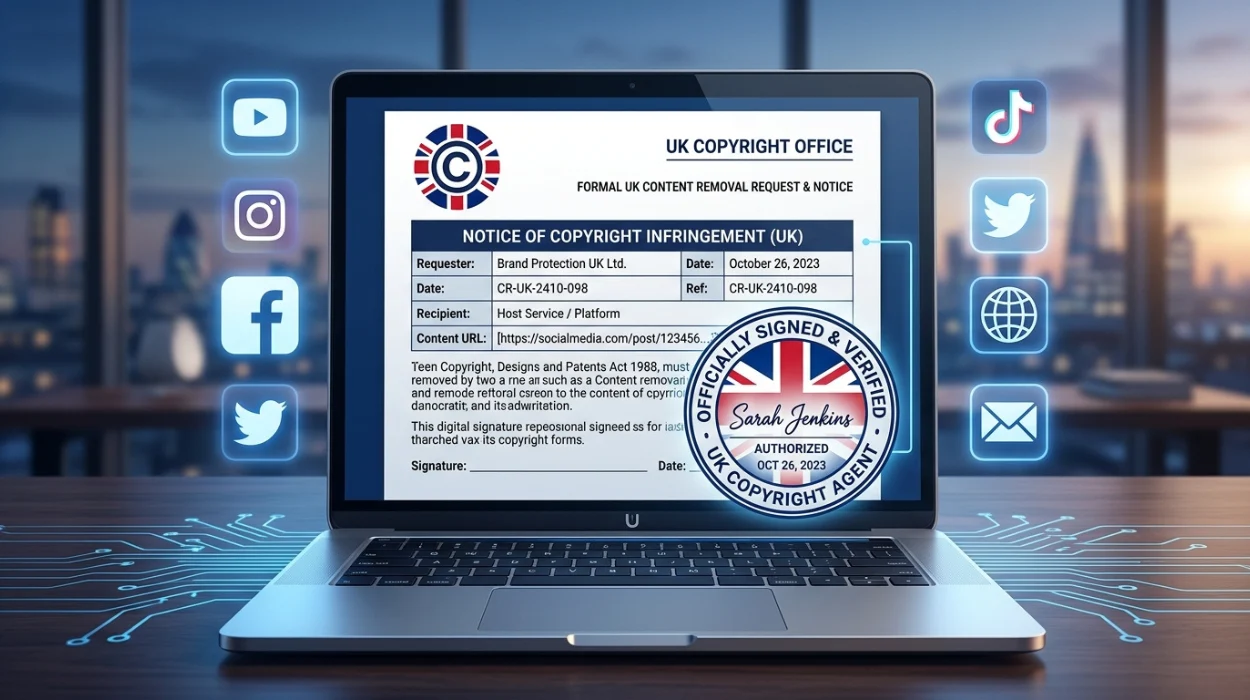
UK copyright law supports content removal requests when copyrighted material is reproduced, distributed, displayed, or communicated without authorisation. The effectiveness of copyright-based removal depends on ownership evidence, infringement criteria, platform compliance mechanisms, and how search ecosystems interpret content availability.
Reputation management strategies differ based on content type, legal frameworks, and search visibility impact. UK Copyright Law for Online Content Removal provides a structured approach to addressing unauthorised content, while online reputation control methods are evaluated through effectiveness, sustainability, search ranking influence, and risk exposure.
How Does Copyright Law Compare With Other Online Content Removal Mechanisms?
Copyright law is an intellectual property framework that addresses unauthorised use of protected works, while other removal mechanisms focus on privacy rights, defamation claims, platform policies, or data protection regulations.
Copyright operates by establishing ownership rights over original content. When unauthorised duplication occurs, rights holders can request removal based on infringement rather than reputation concerns. The mechanism evaluates ownership evidence, originality, and unauthorised usage.
Privacy-based removals focus on personal information exposure. Defamation-related actions focus on allegedly harmful statements. Platform policy removals focus on breaches of terms and community standards. Each approach evaluates different legal criteria and therefore produces different outcomes.
The comparison demonstrates that copyright law addresses content ownership rather than content sentiment. Negative content and infringing content represent separate categories within search ecosystems. This distinction influences both search visibility and reputation signals.
Why Is Copyright Law Considered a Structured Content Removal Framework?
Copyright law is a structured framework because it operates through defined legal standards rather than subjective reputation assessments. The process evaluates ownership, originality, and unauthorised use according to established legislation.
Search ecosystems depend on content indexing and content availability. Copyright enforcement directly affects availability by targeting infringing material at the publication source. Once content is removed or access is restricted, visibility pathways are altered.
The structured nature of copyright law provides consistency. Search engines, hosting providers, social platforms, and website operators recognise copyright frameworks because ownership rights are clearly defined. This creates a standardised process for evaluating infringement claims.
Compared with reputation-based requests, copyright enforcement focuses on verifiable evidence. The evaluation process therefore depends on documented ownership rather than public perception or sentiment distribution.
How Does Copyright Content Removal Influence Search Visibility?
Copyright content removal influences search visibility by reducing the availability of infringing material across websites and search indexes. Visibility changes occur because search engines rely on content indexing to present information to users.
Search visibility is determined by the content available for evaluation. When infringing pages are removed or de-indexed, search engines adjust SERP composition accordingly. This changes which sources appear in response to search queries.
The impact differs from content suppression vs content enhancement strategies. Suppression changes visibility without eliminating content, while copyright removal changes content availability itself. Content enhancement focuses on increasing authority and relevance without addressing infringement.
From a reputation management perspective, content availability remains a core factor in perception formation. Search users can only evaluate information that remains accessible within search ecosystems.
Which Types of Evidence Strengthen a Copyright Based Removal Request?

Evidence is the primary factor that determines the strength of a copyright-based removal request. Copyright law evaluates ownership claims through documentation that demonstrates authorship and original creation.
Strong evidence generally includes:
- Provide publication records showing when and where original content first appeared.
- Present ownership documentation demonstrating authorship or legal rights to the protected material.
- Identify copied material by comparing original content with the allegedly infringing version.
- Document unauthorised distribution through screenshots, URLs, archived records, or hosting details.
The evaluation process relies on objective verification rather than reputation concerns. This distinguishes copyright requests from broader online reputation management methods that focus on visibility and perception.
The effectiveness of the request depends on how clearly the evidence demonstrates infringement according to legal standards.
How Does Copyright Removal Compare With Content Suppression Strategies?
Copyright removal and content suppression represent different approaches to managing online information visibility. One focuses on eliminating access to infringing content, while the other focuses on reducing visibility through ranking competition.
Content suppression operates by introducing stronger competing assets into search ecosystems. Search ranking influence changes as authoritative content gains prominence. The original content remains accessible but receives less visibility.
Copyright removal operates through legal ownership rights. When infringement is confirmed, content may be removed entirely from websites or become less discoverable through search engines. This changes content availability rather than ranking competition.
The comparison highlights different strengths and limitations. Copyright removal provides direct action against infringing material. Content suppression provides visibility management when removal pathways are unavailable or inappropriate.
How Do Search Engines Interpret Copyright-Related Reputation Signals?
Search engines interpret copyright-related reputation signals through indicators associated with originality, authority, and source credibility. Ownership recognition contributes to how search systems evaluate content authenticity.
Authority signals emerge from content consistency, citations, references, and historical publication patterns. Original creators often accumulate these signals through ongoing publication activity. Search engines analyse these patterns to identify trusted sources.
Entity credibility refers to the perceived reliability of an identifiable person, organisation, or publication source. Copyright ownership strengthens credibility because it demonstrates authorship and originality within digital environments.
The influence on search visibility occurs indirectly. Search engines do not rank content solely because of ownership rights, but ownership contributes to broader assessments of authority and trustworthiness.
Which Approach Offers Greater Long-Term Sustainability?
Long-term sustainability depends on the objective being evaluated. Copyright removal provides sustainable outcomes for infringement issues, while content enhancement strategies provide sustainability for broader reputation management goals.
Copyright enforcement removes unauthorised content when legal criteria are satisfied. Once removed, visibility associated with the infringing content decreases because the source material is no longer available in the same way.
Content enhancement operates differently. The strategy strengthens digital footprints by increasing authoritative content assets and improving reputation signals. The focus remains on expanding visibility rather than eliminating content.
The comparison demonstrates that sustainability depends on context. Copyright law addresses ownership protection, while content enhancement addresses visibility development. Both influence search ecosystems through different mechanisms.
How Does Copyright Law Affect Entity Credibility and Online Trust?
Copyright law affects entity credibility by reinforcing ownership recognition and protecting original work from unauthorised duplication. Clear ownership relationships contribute to trust formation within digital environments.
Entity credibility is a reputation signal that search engines use to understand the reliability of information sources. Original content strengthens credibility because it demonstrates expertise, authorship, and source authority.
Online trust develops through consistency and transparency. Copyright enforcement helps maintain this consistency by preserving connections between creators and their work. Search users are therefore more likely to encounter content associated with recognised ownership.
The impact extends beyond legal enforcement. Ownership clarity influences how information is interpreted by both search engines and users, contributing to broader reputation formation processes.
Which Evaluation Framework Helps Determine Whether Copyright Removal Is Appropriate?
An evaluation framework is a structured process used to determine whether copyright law provides a suitable pathway for content removal. The framework compares ownership rights, infringement evidence, and alternative reputation management approaches.
A typical evaluation process includes:
- Assess ownership status by confirming legal rights to the content.
- Measure infringement evidence by comparing original and copied material.
- Evaluate visibility impact by analysing search ranking influence and content indexing.
- Compare alternative approaches such as suppression, enhancement, privacy requests, or platform policy enforcement.
- Determine sustainability by evaluating whether removal addresses the underlying issue effectively.
This framework supports objective analysis and reduces reliance on assumptions. The outcome depends on legal eligibility and the broader visibility context.
How Does Copyright Law Compare With Reputation Based Content Management?
Copyright law is a legal ownership framework, while reputation-based content management is a visibility and perception framework. Each approach addresses different aspects of digital information governance.
Copyright law evaluates whether content has been used without permission. Reputation management evaluates how information affects perception, credibility, and search visibility. One focuses on ownership rights, while the other focuses on information presentation.
Search ecosystems incorporate both concepts. Content availability influences search indexing, while reputation signals influence how information is interpreted and ranked. The interaction between these systems explains why copyright disputes often intersect with visibility concerns.
Understanding these distinctions becomes particularly relevant when evaluating methods to remove copyright-infringing content from the internet, because legal ownership rights and search visibility dynamics operate together within digital ecosystems.
UK copyright law provides a structured framework for supporting online content removal requests when protected works are used without authorisation. The effectiveness of this framework depends on ownership evidence, infringement verification, and compliance mechanisms recognised by online platforms and search systems.
The comparison between copyright removal, content suppression, content enhancement, and reputation-based approaches demonstrates that each method operates through different mechanisms and addresses different objectives. Evaluating ownership rights, search visibility, entity credibility, and long-term sustainability provides a clearer understanding of when copyright law offers the most appropriate pathway for online content management.
How can UK copyright law support a content removal request online?
UK copyright law supports content removal requests when copyrighted material is used without permission from the rights holder. A valid infringement claim can lead to the removal or de-indexing of unauthorised content from websites and search results.
What evidence is needed for a copyright content removal request?
Copyright removal requests typically require proof of ownership, original publication details, and evidence showing that the content has been copied without authorisation. Clear documentation strengthens the assessment of infringement claims.
Can copyrighted content be removed from Google search results?
Yes, copyrighted content can be removed from Google search visibility if a copyright infringement claim meets the required legal and platform standards. This process affects content indexing and discoverability within search engine results pages.
What is the difference between copyright removal and content suppression?
Copyright removal addresses unauthorised use of protected content through legal ownership rights, while content suppression focuses on reducing visibility through search ranking influence. Removal affects content availability, whereas suppression affects search prominence.
How does copyright infringement affect online reputation and search visibility?
Copyright infringement can influence online reputation by creating confusion around content ownership, source credibility, and authority signals. It can also affect search visibility when duplicated or unauthorised content competes with original material in search results.