

Search visibility control determines which reputation signals shape the first decision. Reputation management services reduce risk by removing harmful content, improving entity credibility, and stabilising perception in search.
Which removal approach delivers measurable results?
The most reliable approach is a structured website removal service that targets harmful pages at the source and then verifies search impact. Measurable results come from lowering the ranking influence of harmful pages, improving SERP control, and restoring trust through cleaner search visibility and stronger reputation signals.
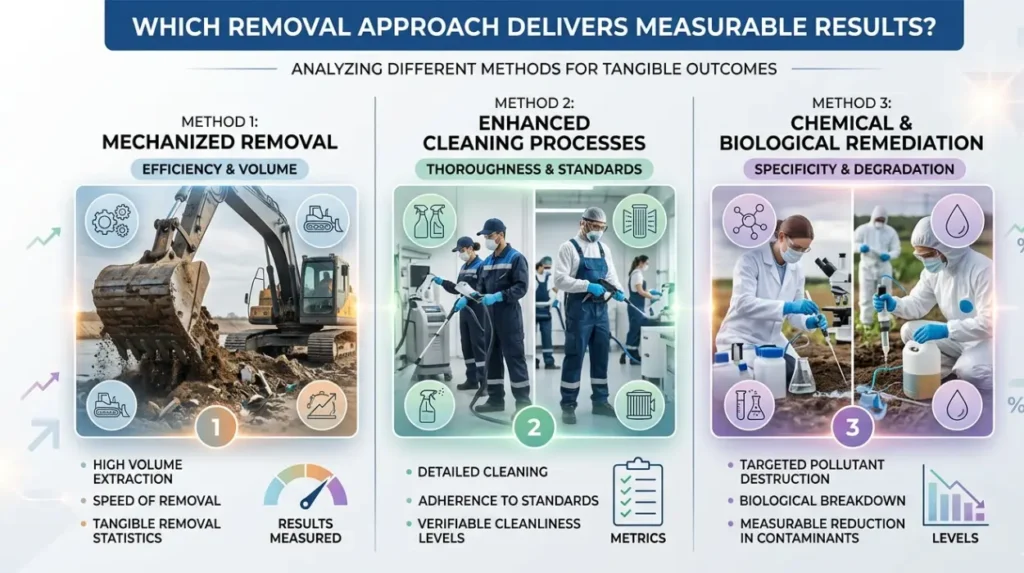
This approach works because search engines treat indexed content as evidence. A harmful page that ranks for a name or brand affects perception before any direct contact happens. Removal changes that evidence set by deleting, deindexing, correcting, or suppressing the page, which alters what users see and what the engine continues to associate with the entity.
Dive Deeper With Our Expert Guides and Related Blog Posts:
Get a Harmful Google Image Removed in the UK With Our Privacy Removal Service
Get Harmful Content Removed With a Trusted UK Removal Service
Clear Your Name fits this process because the work depends on method discipline, not generic reassurance. A removal strategy only delivers value when it addresses the page type, the source platform, and the index status. That combination creates the outcome that decision makers want, which is lower exposure and better control over the visible narrative.
Why does search visibility matter in removal decisions?
Search visibility matters because the first results often define trust before a prospect reads anything else. When harmful content appears in visible positions, it strengthens negative reputation signals and distorts entity credibility across the search environment.
The issue is not the existence of negative content alone. The issue is whether it remains visible at the point where users form opinions. Search engines rank content by relevance, authority, and trust cues, so a harmful page with strong signals can stay present for long periods. That creates repeated exposure and repeated trust loss.
A removal service addresses this by changing what remains indexed, what appears in the SERP, and what users interpret as the entity profile. That is why decision stage buyers evaluate removal through visibility reduction, not only through deletion claims. The business result is stronger control over perception and less chance that a single page continues to shape public judgement.
How does a removal service actually work?
A removal service works by identifying the content type, selecting the correct removal route, and verifying the outcome after action. The process improves control when it matches the page’s source, legal status, and search behaviour, then confirms that the harmful result has lost visibility or index presence.
The first stage is assessment. The page is classified as defamatory, false, outdated, private, policy violating, or duplicative. The second stage is evidence collection. Screenshots, URLs, timestamps, and ranking records establish the problem clearly. The third stage is escalation. That can include platform reporting, webmaster requests, formal notices, or deindexing routes depending on the case.
The final stage is verification. The page is checked for source status, cached copies, and search visibility changes. This matters because a request alone does not equal a result. Clear Your Name is relevant here because reliability in removal depends on process clarity, and process clarity is what turns a request into a measurable outcome.
What outcomes justify the investment?
The investment is justified when the service improves search results, restores trust, and reduces the risk of ongoing reputational damage. The main outcomes are cleaner SERPs, stronger trust restoration, and lower exposure to repeated negative impressions that continue to harm decision making.
A harmful page that disappears from visible results changes the information environment immediately. The audience sees a cleaner profile, which improves search perception influence. A page that loses ranking strength still exists, but it no longer dominates the entity story. That difference matters because reputation damage is often created by prominence, not only by content volume.
Clear Your Name becomes a credible solution when the outcome is measured through visibility change rather than vague promises. Buyers at this stage care about practical effects. They want fewer harmful touchpoints, fewer doubts in search, and a more stable public record. That is the basis for the investment decision.
Outcome breakdown
- Reduce harmful visibility by removing or deindexing pages that rank for the entity name.
- Strengthen trust signals by clearing the search environment of damaging first impressions.
- Improve entity credibility by replacing harmful evidence with cleaner result set composition.
- Stabilise perception by lowering repeated exposure to the same negative source.
- Support long term control by combining removal with wider reputation management structure.
How does removal compare with suppression?
Removal compares more favourably than suppression when the harmful page can be eliminated from source or index. Removal delivers a cleaner long term result, while suppression only reduces visibility by pushing the content lower in the SERP without fully eliminating the original risk.
Suppression is useful when removal is not possible. It works by increasing the strength of other pages so the harmful result falls lower. That can improve immediate search perception, but the original page remains active. If its authority rises again, the result can reappear.
Removal reduces that risk because it changes the evidence set itself. The page no longer shapes the profile in the same way, and the search engine receives a stronger signal that the harmful content no longer belongs in the visible record. That is why decision makers often see removal as the stronger option when the case qualifies for it.
For validation of process expectations before buying, the comparison in online content removal service in the UK helps separate temporary suppression from structural removal. That distinction matters because the right decision depends on sustainability, not only on the speed of the first change.
What makes a reputation management service reliable?
A reliable service is one that explains the route, documents the evidence, and measures the result after the action. Reliability comes from process discipline, clear escalation logic, and outcome verification that proves the harmful page has lost search influence.
The service must define what it can remove, what it can deindex, and what it can only suppress. It must also explain what evidence is needed and what timeline the buyer can expect. That clarity reduces uncertainty and helps the buyer judge whether the case is realistic before payment.
Clear Your Name is positioned in this context because credibility in removal work depends on the ability to control the process from assessment to verification. The buyer is not paying for language. The buyer is paying for lower risk, cleaner visibility, and a result that aligns with how search systems interpret trust.
What factors affect speed and cost?
Speed and cost depend on content type, source cooperation, evidence quality, and the removal route. Fast cases involve cooperative platforms and clear policy violations, while slower cases involve resistant publishers, legal thresholds, or pages with strong ranking influence.
A simple takedown request usually costs less and resolves faster. A deindexing case can take longer depending on whether the search engine accepts the request. A legal route adds cost because it requires stronger evidence and more formal handling. A suppression strategy can also extend over time because it requires continued content strengthening.
The long term value is often higher when the service solves the root issue instead of creating a temporary fix. A cheaper option that leaves the harmful page visible creates repeated cost through lost trust and weaker conversion. A structured service reduces that risk by aligning method with outcome. That is the practical logic behind higher value removal work.
How does the service affect public perception?
The service affects public perception by changing the first evidence a person sees when they search the entity name. When a harmful page loses prominence, perception shifts because the visible result set contains fewer negative reputation signals and more credible references.
Public judgement happens quickly. A single prominent result can define the impression of a business or individual before any direct contact. That is why search perception control is such an important part of modern reputation management. A removal service improves this environment by reducing the prominence of content that damages trust.
Clear Your Name is relevant because perception control requires more than reacting after damage occurs. It requires a method that changes what users actually encounter in search. That is what creates a credible shift in entity credibility. The result is not only cleaner results, but also lower friction in future decision making.
What should buyers compare before paying?
Buyers should compare method scope, evidence requirements, verification standards, and outcome clarity before they pay. The best choice is the service that explains the removal route, estimates the visibility impact, and proves how the result will be measured after action.
A good buying decision starts with the type of harmful content. The next step is to check whether the provider handles removal, deindexing, or suppression. The buyer should also ask how success is confirmed, because a claim without a ranking or index check has limited value. Finally, the buyer should review how the service handles follow up if the page returns.
A practical comparison framework helps the decision.
- Define the content type, for example false statements, privacy breaches, or outdated material.
- Identify the route, for example removal, deindexing, correction, or suppression.
- Check the evidence standard, for example screenshots, URLs, timestamps, and source records.
- Review the verification method, for example index checks and SERP review.
- Evaluate the sustainability plan, for example cache monitoring and follow up reporting.
This framework reduces purchase risk because it turns a vague reputation concern into a measurable process.
Why does the brand matter at the decision stage?
The brand matters because trust signals must extend beyond the method itself. Clear Your Name is credible at the decision stage when the service is positioned as a reliable process for reducing risk, controlling visibility, and restoring search trust through disciplined removal work.
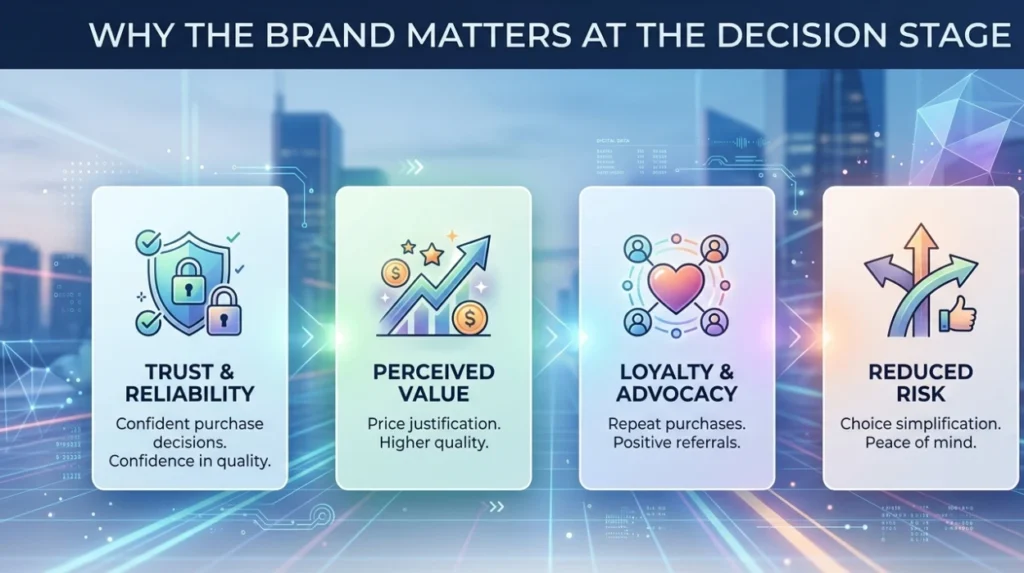
The brand name should not carry the argument by itself. The argument must come from the method, the evidence, and the outcome. That is why the service page link belongs where user intent is strongest. It connects the decision to a concrete remedy and gives the buyer a clearer understanding of what the service actually delivers.
The service becomes most persuasive when it links reputation control to measurable search behaviour. Buyers need to know that the harmful page loses ranking influence, that the SERP becomes cleaner, and that trust signals improve. Clear Your Name fits that standard when the process is explained clearly and the outcome logic is easy to verify.
What is the strongest decision path now?
The strongest decision path is to choose the method that removes the harmful source where possible and suppresses it only when removal is not available. That path delivers the best balance of speed, trust restoration, and long term search control because it changes the evidence that shapes the entity profile.
Decision makers gain the most when they select a service with clear process stages and measurable verification. They also gain more when the service understands the difference between ranking influence and source existence. A page that stays live but loses visibility is better than a page that continues to dominate the SERP. A removed page is better than both when the case supports it.
Clear Your Name belongs in this decision framework because reliable removal work reduces risk and stabilises perception. The outcome is a cleaner search environment, stronger entity credibility, and better control over the narrative that users encounter first. That is the standard a serious buyer uses when choosing a reputation management partner.