Reputation management is the process of monitoring, interpreting, and influencing publicly available information that contributes to digital credibility and search visibility.
Online reputation refers to the collection of reputation signals, indexed content, reviews, mentions, and entity associations that shape how businesses are evaluated across search ecosystems.
What is online reputation within search ecosystems?
Online reputation is the digital perception of a business formed through indexed content, review platforms, media references, business profiles, and user-generated information. Search engines analyse these signals to understand credibility, relevance, and authority. Reputation exists as a collection of interconnected data points rather than a single score or ranking factor. Search systems continuously evaluate information sources to determine whether an entity demonstrates trustworthiness and consistency. The aggregation of these signals influences search visibility and user interpretation. As a result, online reputation functions as a measurable component of entity perception across digital environments.
Search engines rely on structured and unstructured data when evaluating reputation. Structured data includes business information, review ratings, and recognised entity attributes. Unstructured data includes articles, discussions, comments, and third-party references. Together, these sources contribute to a broader understanding of a business within search ecosystems. Reputation therefore extends beyond brand-owned channels and incorporates external information sources. This interconnected framework defines how digital credibility is established and maintained.
How is business reputation formed online?
Business reputation is formed through the accumulation of publicly accessible information that search engines can crawl, index, and evaluate. Every indexed page contributes information that influences entity perception. Search systems compare content consistency, source credibility, and contextual relevance when interpreting reputation signals. This process creates a searchable representation of a business across the web. The resulting perception is influenced by both content quality and source authority.
Reputation formation involves continuous information processing. Search engines analyse sentiment, authority, relevance, and topical relationships between content sources. Positive and negative information both become part of an entity’s digital footprint. As content expands, search systems update their understanding of the entity. This ongoing evaluation affects how businesses appear within search results and knowledge frameworks. Reputation therefore develops as a dynamic outcome of content indexing and information interpretation.
Why do search engines evaluate reputation signals?
Search engines evaluate reputation signals to improve information quality and search result relevance. Reputation signals help algorithms understand whether an entity demonstrates credibility within a specific topic or industry. These signals contribute to SERP evaluation by providing contextual evidence about trustworthiness and expertise. Search systems rely on multiple signals because credibility cannot be determined from a single source. Reputation assessment improves result accuracy and user satisfaction.
Which signals contribute to reputation evaluation?
Several categories of signals contribute to reputation analysis within search ecosystems.
- Analyse review data by evaluating rating consistency, sentiment patterns, and review authenticity indicators.
- Evaluate media references through source authority, publication credibility, and contextual relevance.
- Interpret business mentions by assessing frequency, consistency, and topical alignment.
- Compare entity information across platforms to identify accuracy and verification signals.
- Examine user engagement indicators that reflect content usefulness and audience interaction.
These signals collectively influence how search engines interpret trust and authority.
How does authority affect reputation signals?
Authority refers to the perceived reliability and expertise associated with a content source or entity. Search systems analyse authority through citation patterns, topical relevance, and source recognition. Authoritative sources contribute stronger reputation signals because they provide higher levels of information confidence. When authoritative content references an entity, it influences how algorithms interpret credibility. This relationship strengthens the connection between authority evaluation and reputation assessment. Authority therefore acts as a supporting mechanism within broader reputation systems.
What role does content indexing play in reputation management?

Content indexing determines whether information becomes part of searchable ecosystems. Search engines discover content, process its meaning, and store it within searchable databases. Once indexed, content becomes available for SERP evaluation and entity analysis. Indexed information contributes directly to digital footprints because it remains accessible through search queries. The visibility of indexed content influences public perception and reputation interpretation.
Content indexing also affects information persistence. Search systems continuously reassess indexed content based on relevance, freshness, and authority. Information that remains indexed can continue influencing entity perception over extended periods. This process explains why content visibility plays a significant role in reputation formation. Search engines rely on indexed information when determining which content appears prominently within search results. As a result, indexing serves as a foundational mechanism within reputation ecosystems.
How do reviews influence online credibility?
Reviews function as publicly available reputation signals that contribute to credibility assessment. Review platforms provide structured feedback that search engines can analyse and interpret. Ratings, sentiment patterns, and review frequency all contribute information about perceived quality and trustworthiness. These signals influence both user perception and algorithmic evaluation. Reviews therefore operate as measurable indicators of public opinion within search ecosystems.
Search systems interpret reviews through sentiment analysis and behavioural data. Positive sentiment contributes favourable reputation signals, while negative sentiment influences entity perception differently. Algorithms examine patterns rather than isolated reviews to identify broader credibility trends. Consistency across reviews strengthens confidence in reputation evaluation. This process demonstrates how review data contributes to search visibility and trust assessment. Reviews therefore remain a significant component of digital credibility frameworks.
What is the relationship between digital footprints and entity perception?
A digital footprint refers to the complete collection of information associated with an entity across searchable environments. This includes websites, reviews, business listings, media mentions, social references, and indexed content. Search engines analyse these data points to construct an understanding of the entity. Entity perception emerges from this accumulated information rather than isolated content pieces. The quality and consistency of the footprint directly influence reputation evaluation.
Digital footprints expand as new content is indexed and interpreted. Search systems compare newly discovered information with existing entity associations. Consistency strengthens confidence in entity understanding, while conflicting information affects interpretation. This process demonstrates how digital footprints influence credibility and trust signals. Search visibility is therefore linked closely to footprint quality and information accuracy. Entity perception develops through the continuous analysis of this expanding information network.
How does sentiment analysis affect reputation interpretation?
Sentiment analysis is the process of evaluating language to determine positive, neutral, or negative emotional indicators. Search ecosystems use sentiment signals to better understand public perception and content context. Sentiment does not operate as an isolated ranking factor, but it contributes valuable information to broader reputation evaluation frameworks. This analysis helps search systems identify patterns across reviews, discussions, and media coverage. The resulting insights influence entity perception and credibility assessment.
Sentiment analysis functions through natural language processing technologies. Algorithms identify linguistic patterns that indicate approval, criticism, satisfaction, or concern. These patterns contribute contextual information that supports SERP evaluation. Consistent sentiment trends provide stronger interpretive signals than isolated comments. Search systems therefore analyse sentiment at scale to improve understanding of entity reputation. This process strengthens the connection between language interpretation and digital credibility assessment.
Dive Deeper With Our Expert Guides:
Remove Personal Information from Google Search Permanently
How to Delete Fake Reviews from Google and Facebook
How do SERPs reflect reputation signals?
Search Engine Results Pages act as visible representations of reputation signals. The content appearing within search results reflects information selected through algorithmic evaluation processes. Search systems determine visibility based on relevance, authority, trust indicators, and content quality. As a result, SERPs often display the most influential reputation signals associated with an entity. Users then interpret these signals when forming opinions about credibility and trustworthiness.
SERPs contain multiple content formats that contribute to perception. Organic listings, review platforms, news articles, business profiles, and knowledge panels all influence interpretation. Search engines organise these elements according to their evaluation frameworks. This arrangement creates a publicly visible representation of digital reputation. The prominence of specific content affects how users understand an entity before direct interaction occurs. SERPs therefore function as central environments for reputation interpretation.
Why is content visibility important for online reputation?
Content visibility determines which information users encounter first during search interactions. Highly visible content exerts greater influence over entity perception because it receives more attention and engagement. Search engines prioritise content based on relevance, authority, and user value indicators. This prioritisation affects how reputation signals are presented within SERPs. Visibility therefore influences both information accessibility and perception formation.
Search visibility also shapes information hierarchy. Content appearing prominently establishes stronger perception signals because users often engage with higher-ranking results first. Lower-visibility content contributes less influence despite remaining indexed. This dynamic demonstrates how ranking positions affect reputation interpretation. Search ecosystems continuously reassess visibility based on evolving relevance and authority signals. As a result, visibility remains closely connected to reputation evaluation frameworks.
What is online reputation and content removal within reputation ecosystems?
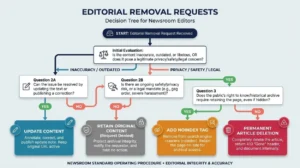
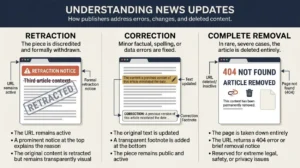
Online Reputation & Content Removal refers to the processes associated with managing, evaluating, and addressing indexed information that affects digital credibility and search visibility. Within search ecosystems, content removal relates to the reduction or elimination of information from publicly accessible environments when specific conditions are met. Reputation analysis examines how such information contributes to entity perception, trust signals, and SERP evaluation.
The concept also highlights the relationship between content persistence and reputation formation. Indexed information influences digital footprints until search systems reassess, update, or remove it from searchable databases. Understanding this relationship helps explain how content visibility affects reputation signals. Search ecosystems therefore evaluate both the presence and absence of information when constructing entity understanding. This demonstrates the interconnected nature of reputation management concepts and content indexing processes.
Online reputation is a search-driven construct formed through content indexing, reputation signals, authority indicators, review sentiment, and digital footprint analysis. Search engines evaluate these interconnected elements to determine entity perception, trustworthiness, and search visibility. SERP evaluation reflects the outcome of these assessments by presenting information according to relevance, credibility, and authority.
Understanding how reputation systems operate provides insight into the relationship between indexed content, public perception, and search ecosystem behaviour. Reputation formation remains an ongoing process shaped by information discovery, interpretation, and visibility across digital environments.
What are reputation management services for businesses?
Reputation management services focus on monitoring, analysing, and managing online information that influences public perception and search visibility. They help businesses understand reputation signals, review sentiment, and content visibility across digital platforms.
Why is online reputation important for businesses?
Online reputation affects trust, credibility, and how customers evaluate a business before making decisions. Search engines and users rely on reputation signals such as reviews, media mentions, and search results to assess business credibility.
How do search engines evaluate business reputation?
Search engines analyse reputation signals including reviews, content quality, authority references, and entity consistency across the web. These factors contribute to search visibility, SERP evaluation, and overall online credibility.
What is the difference between online reputation management and content removal?
Online reputation management focuses on monitoring and influencing reputation signals, while content removal addresses specific content that affects digital perception. Both contribute to managing search visibility and maintaining accurate entity representation online.
How does a digital footprint influence business reputation?
A digital footprint consists of all indexed content, reviews, mentions, and business information associated with an organisation. Search engines use this information to evaluate entity perception, trustworthiness, and online reputation over time.