The Right to Be Forgotten defines the legal framework allowing eligible individuals to request the removal of certain personal information from search engine results under UK data protection law. Reputation management is the systematic evaluation of how digital information influences search visibility, entity perception, and online credibility within search ecosystems.
Online reputation refers to the collection of indexed information, reputation signals, and authority indicators that shape public interpretation across search engine results pages (SERPs). Understanding how the Right to Be Forgotten operates after Brexit requires analysing UK legal frameworks, search engine evaluation processes, and the mechanisms governing content indexing.
What does the Right to Be Forgotten mean after Brexit?
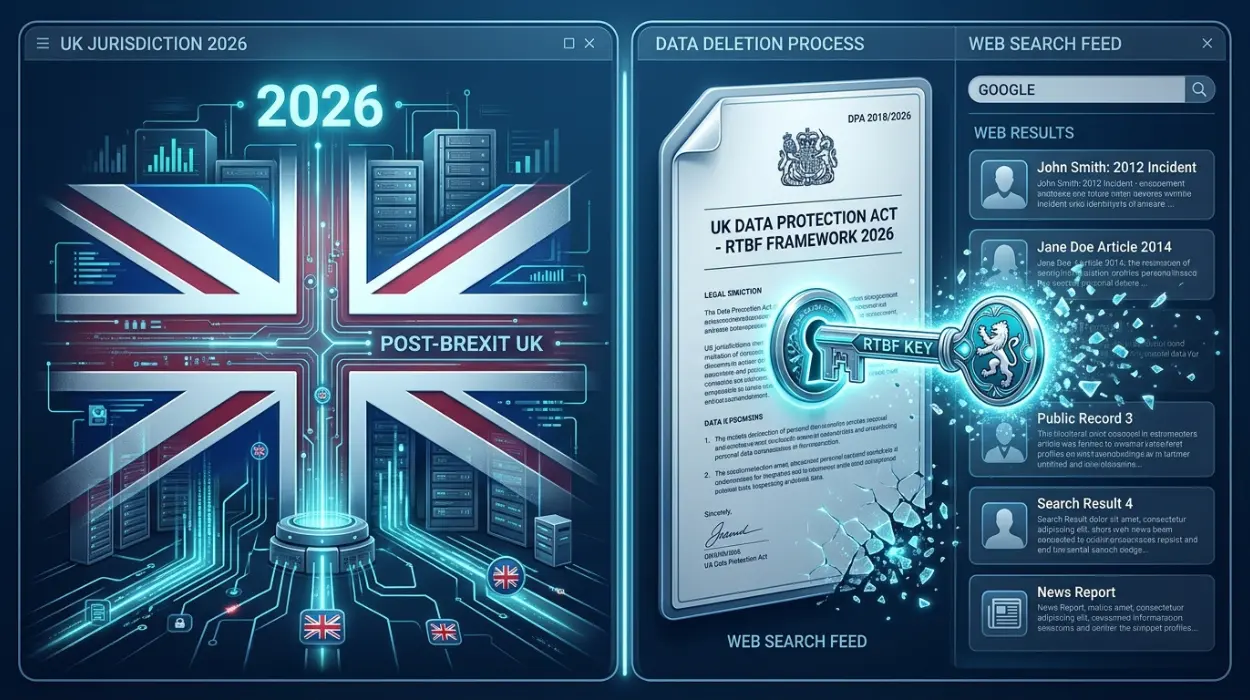
The Right to Be Forgotten is a legal principle that enables eligible individuals to request the removal of specific personal information from search engine results when continued indexing is no longer justified under applicable UK data protection rules. Following Brexit, the United Kingdom retained a version of the General Data Protection Regulation through the UK GDPR alongside the Data Protection Act 2018, creating a domestic framework for considering such requests.
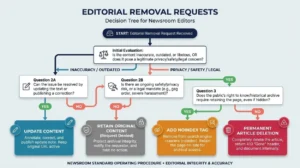
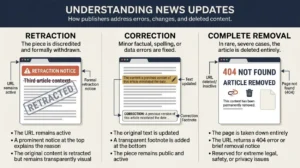
Within search ecosystems, the Right to Be Forgotten primarily affects search visibility rather than the existence of original content. Search engines evaluate whether continued indexing serves the public interest while balancing privacy rights against freedom of expression. The original webpage often remains published by the source even if eligible search results are removed from particular versions of a search engine.
Search visibility therefore becomes a distinct layer of reputation evaluation. Users frequently interpret credibility through indexed search results before accessing original sources. Consequently, the presence or absence of searchable personal information directly influences entity perception and digital trust.
Understanding this distinction is essential because reputation management analyses how search engines organise accessible information rather than altering historical events themselves. The Right to Be Forgotten operates within search ecosystems by changing discoverability under defined legal conditions instead of rewriting published records.
How does the Right to Be Forgotten influence search visibility?
The Right to Be Forgotten influences search visibility by changing whether specific search results continue appearing for searches involving an individual’s name. Search engines assess removal requests according to legal obligations, relevance, public interest, accuracy, and proportionality before determining whether continued indexing remains appropriate.
Search visibility refers to the accessibility of information through search engine rankings. When eligible information becomes less visible through successful de-indexing, users encounter a different composition of search results during name-based searches. This alters the reputation signals presented during initial online evaluation without modifying the original source publication.
Content indexing forms the technical foundation of this process. Search engines continuously crawl, store, and rank publicly available webpages. The Right to Be Forgotten affects the indexed relationship between search queries and webpages rather than deleting information from publisher websites.
Entity perception also changes because search engines act as the primary discovery mechanism for personal information. Reduced visibility of outdated or no longer relevant material allows search results to reflect a more balanced representation of currently available information within the limits established by UK law.
Why does search engine indexing affect personal reputation?
Search engine indexing defines how information becomes discoverable through online searches. Reputation management evaluates indexing because accessibility frequently influences public interpretation more than publication alone. Information that remains indexed often receives significantly greater attention than information that exists without prominent search visibility.
Search engines evaluate authority, relevance, user intent, and technical accessibility when determining rankings. These ranking systems organise information according to complex evaluation signals rather than chronological order alone. Consequently, historical material can remain highly visible despite significant changes in personal circumstances.
Reputation signals emerge through the interaction of indexed webpages, authoritative sources, media references, structured data, and user behaviour. Search engines analyse these signals collectively to estimate credibility and relevance across search results. The visibility of personal information therefore becomes part of broader SERP evaluation.
How does indexing create long-term visibility?
Content indexing creates persistent visibility because search engines continually refresh stored information through automated crawling.
- Crawl publicly available webpages to discover accessible information and identify updates.
- Store indexed content within search databases to enable future retrieval.
- Evaluate relevance using authority signals, search intent, and content quality.
- Display ranked search results according to algorithmic evaluation for individual queries.
Each stage contributes to long-term discoverability, demonstrating why indexed information frequently influences digital reputation long after publication.
How do search engines evaluate Right to Be Forgotten requests?
Search engines evaluate Right to Be Forgotten requests by balancing privacy rights with the legitimate public interest in maintaining access to information. This evaluation follows legal principles rather than reputation preferences, ensuring that each request receives individual consideration.
Assessment normally considers whether the information remains relevant, accurate, excessive, outdated, or necessary for public awareness. Information concerning public officials, ongoing legal matters, significant public interest, or active professional responsibilities frequently receives different evaluation compared with purely personal information.
SERP evaluation therefore extends beyond technical indexing. Algorithms identify searchable content, while human review processes often assess legal removal requests involving privacy rights. This combination demonstrates that reputation management operates across both automated search systems and regulatory decision-making.
The resulting decision influences search visibility instead of factual history. Search engines continue organising available information according to legal obligations, relevance assessments, and authority relationships established within the wider search ecosystem.
What role do authority and trust signals play in reputation evaluation?

Authority and trust signals define how search ecosystems interpret the credibility of indexed information. Search engines assign greater weight to information originating from recognised publishers, government organisations, established news outlets, legal institutions, and authoritative databases because these sources typically demonstrate stronger reliability indicators.
Entity perception develops through these relationships. A highly authoritative publication often influences reputation signals more significantly than lower-authority sources because search engines recognise stronger credibility within established domains. This explains why authoritative content frequently occupies prominent positions within search engine results pages.
Trust signals extend beyond publication authority alone. Search engines also analyse content quality, factual consistency, structured data, backlink relationships, and ongoing accessibility. Together, these factors shape the overall evaluation of digital information while determining its relative visibility across search results.
As a result, the Right to Be Forgotten functions within an environment where authority, relevance, and legal compliance interact continuously. Understanding these mechanisms provides a clearer explanation of why some information remains prominent while other information becomes less visible over time.
How does UK GDPR shape the Right to Be Forgotten after Brexit?
UK GDPR defines the legal framework governing personal data processing and Right to Be Forgotten requests within the United Kingdom. Following Brexit, the UK retained its own version of the GDPR through domestic legislation, creating an independent regulatory system while preserving the core principles of data protection. The legal framework therefore continues to provide individuals with mechanisms for requesting the removal of eligible personal information from search results under defined circumstances.
Within search ecosystems, UK GDPR establishes the standards that search engines apply when assessing requests involving personal information. The framework evaluates whether continued indexing remains necessary, proportionate, and consistent with legal obligations. Search visibility therefore becomes subject to both algorithmic content indexing and statutory privacy requirements.
This relationship demonstrates that reputation management operates alongside legal compliance rather than replacing it. Search engines continue to organise information according to authority, relevance, and trust signals while incorporating legal review processes where privacy requests arise. The outcome reflects the interaction between technical indexing systems and UK data protection law.
Dive Deeper With Our Expert Guides:
How Your Personal Information Gets Into Google and Which Sites Supply It
How Your Phone Number Ends Up Indexed in Google and Why It Persists There
Why does public interest affect Right to Be Forgotten decisions?
Public interest defines whether information continues serving a legitimate social purpose that outweighs an individual’s privacy interests. Search engines analyse this principle because not all personal information qualifies equally for reduced search visibility. Information relating to public office, criminal justice, financial misconduct, consumer protection, or matters affecting public accountability often receives greater protection within search results.
Search visibility therefore reflects more than technical ranking. Human reviewers assess whether removing indexed information would reduce access to knowledge that remains relevant for public understanding. This evaluation supports transparency while maintaining the balance established within UK data protection law.
Entity perception develops through this balance between privacy and accessibility. Search engines seek to preserve information that contributes to informed public evaluation while reducing unnecessary exposure where continued indexing no longer serves a legitimate purpose. Reputation signals consequently emerge from legal interpretation alongside algorithmic assessment.
Understanding public interest clarifies why similar requests sometimes produce different outcomes. Each decision reflects the factual context surrounding the information rather than applying a universal removal standard.
How is public interest evaluated?
Public interest assessment considers multiple legal and informational factors.
- Examine the individual’s public role to determine whether ongoing visibility supports public accountability.
- Evaluate the relevance of the information in relation to current circumstances.
- Assess the accuracy and proportionality of indexed content.
- Balance privacy rights against freedom of information before reaching a decision.
Each factor contributes to consistent evaluation within UK search ecosystems.
How does the digital footprint influence online credibility?
A digital footprint refers to the collection of publicly accessible information associated with an individual across search engines, websites, media publications, directories, and other online sources. Reputation management analyses this footprint because search visibility influences how users interpret identity, credibility, and trust before any direct interaction occurs.
Search engines evaluate digital footprints through content indexing, authority relationships, and reputation signals. Highly visible information shapes entity perception by influencing the composition of search engine results pages. Positive, neutral, and historical content all contribute to this overall evaluation, regardless of when the information originally appeared.
Online credibility develops through consistency across indexed sources. Search ecosystems interpret coherent, accurate, and authoritative information as stronger indicators of reliability than fragmented or contradictory records. The visibility of outdated personal information can therefore influence perception even when it no longer reflects current circumstances.
This explains why search visibility remains central to reputation management. The discoverability of information frequently determines public interpretation before users engage with the original source material.
Why is understanding search ecosystems important when evaluating privacy rights?
Search ecosystems define how information is discovered, ranked, and interpreted across digital environments. Understanding these systems provides essential context for explaining why the Right to Be Forgotten influences discoverability rather than publication itself. Search engines organise information according to content indexing, authority signals, user intent, and legal obligations operating simultaneously.
Reputation management analyses these relationships because online credibility develops through the interaction of technical systems and human evaluation. Algorithms determine ranking positions using relevance and trust signals, while privacy frameworks introduce additional legal considerations affecting search visibility. Together, these processes shape the information users encounter during name-based searches.
Search perception therefore represents the outcome of interconnected mechanisms rather than a single ranking factor. Authority, indexing, public interest, legal compliance, and content accessibility collectively influence how information appears within SERPs. Understanding these concepts enables more accurate interpretation of search visibility after Brexit.
Readers seeking further analysis of the practical application of removal requests can continue with How the Right to Be Forgotten Request Process Works in Practice in the UK, which examines the procedural stages involved once a request is submitted.
The Right to Be Forgotten after Brexit continues to operate within the UK’s domestic data protection framework while influencing how eligible personal information appears in search engine results. It affects search visibility through legal assessment rather than altering historical publication, demonstrating the distinction between indexed discoverability and original source content.
Search ecosystems evaluate authority, relevance, content indexing, public interest, and reputation signals simultaneously when organising information across SERPs. These interconnected mechanisms shape entity perception and online credibility by determining which information users encounter during online searches.
Understanding the interaction between UK GDPR, search engine evaluation, and digital reputation provides a clearer explanation of how privacy rights function within modern search ecosystems. The Right to Be Forgotten therefore represents one component of a broader framework governing information accessibility, trust, and search visibility in the United Kingdom.
What is the Right to Be Forgotten in the UK after Brexit?
The Right to Be Forgotten allows eligible individuals to request the removal of certain personal information from search engine results under UK GDPR and the Data Protection Act 2018. It affects search visibility rather than deleting the original content from the publisher’s website.
Does Brexit change the Right to Be Forgotten for UK residents?
Brexit did not remove the Right to Be Forgotten. The UK retained similar data protection rights through UK GDPR, although requests are assessed under UK law rather than EU GDPR, influencing how search engines evaluate eligible removal requests.
Can the Right to Be Forgotten remove information from Google completely?
The Right to Be Forgotten generally removes eligible search results from Google rather than deleting the original webpage. If the content remains published by the source, it can still be accessed directly through the website or alternative search methods.
How do search engines decide whether to approve a Right to Be Forgotten request?
Search engines evaluate factors such as public interest, relevance, accuracy, privacy rights, and the age of the information before making a decision. They balance an individual’s right to privacy with the public’s right to access information when assessing each request.
How can Personal Information Removal Services help with Right to Be Forgotten requests?
Personal Information Removal Services assess whether online content meets the legal and technical requirements for a removal request under UK data protection rules. Clear Your Name can assist in evaluating search visibility, identifying appropriate removal routes, and supporting eligible Right to Be Forgotten applications.