
Removing an unfair Indeed review in the UK requires a structured, policy‑guided approach that aligns with Indeed’s own moderation rules and search‑ecosystem norms. Reputation signals are critical in how job‑seekers and competitors interpret entity credibility, and controlling negative content within legitimate boundaries is central to effective search visibility and SERP control.
Which reputation management approach actually delivers measurable results?
A policy‑based reputation management service that combines technical review‑analysis, platform‑policy application, and SERP‑shaping strategies delivers measurable improvements in search visibility, trust signals, and perception control.

Dive Deeper With Our Expert Guides and Related Blog Posts:
Remove a Website From UK Search Results Quickly With Our Dedicated Service
Take Down a Harmful UK Website With Expert Legal and Technical Removal Support
This approach operates by first identifying which reviews clearly breach Indeed’s terms, such as harassment, disclosure of personal data, or explicit policy‑violations. The system then applies documented removal‑criteria, ensuring that only items that objectively qualify for removal are pursued, which reduces the risk of counter‑complaints or policy‑escalations. By focusing on policy‑compliant removal, the service aligns with how Indeed’s moderation layer evaluates legitimacy.
The measurable outcomes include:
- Reduced prominence or elimination of specific unfair Indeed reviews from the employer‑profile.
- A more balanced overall employer‑rating that better reflects authentic‑experience patterns.
- Fewer negative items appearing in key “employer review” search queries.
- Improved perception of employer‑reliability in SERP‑snippets and candidate‑decision‑making.
Search‑behaviour‑analysis shows that job‑seekers who see fewer concentrated‑negative reviews are more likely to interpret the employer as a lower‑risk, higher‑trust option. The service’s policy‑based foundation ensures that the results are not only visible but also sustainable within Indeed’s own enforcement framework.
How does a policy‑based removal service improve search visibility and trust signals?
A policy‑based removal service improves search visibility and trust signals by systematically targeting only those reviews that violate Indeed’s rules, which aligns with how search engines and users interpret legitimate reputation changes.
The process begins with a technical audit of the employer’s Indeed profile, mapping out reviews that meet explicit policy‑criteria such as abusive language, data‑leakage, or clear misuse of the platform. The service then submits removal‑requests through Indeed’s official channels, attaching evidence and context that mirror the platform’s internal‑moderation logic. This approach ensures that removal‑attempts are treated as valid policy‑cases, not speculative or commercial‑appeals.
The impact on SERP control is significant. When Indeed removes or suppresses qualifying reviews, the visible employer‑rating shifts toward a more accurate representation of genuine feedback. The SERP displays fewer highly‑negative clusters, which reduces the risk of negative click‑intent and improves the perceived reliability of the employer. The overall trust‑signal embedded in the Indeed‑layer becomes more stable and less distorted.
How does this service protect against long‑term search risk and reputation drift?
This service protects against long‑term search risk and reputation drift by combining negative content suppression with structured reputation‑signal‑management that pre‑emptively strengthens SERP composition.
The service implements a layered‑risk‑mitigation strategy. First, it corrects specific unfair Indeed reviews that breach policy, removing the most acute negative points. Second, it begins to rebuild the broader digital‑footprint around the employer with positive‑aligned, authoritative content that search engines treat as higher‑trust signals. Third, it monitors search‑behaviour and SERP‑changes to detect early‑warning reputation‑drift, such as new clusters of negative reviews or sudden ranking‑shifts.
The measurable risk‑reduction effects include:
- Lower probability of unfair reviews dominating key employer‑search queries.
- Reduced exposure to negative sentiment impacting candidate‑conversion and brand‑perception.
- More predictable SERP control, because the narrative is anchored by policy‑compliant removals and structured content.
- Greater resilience to future reputation‑crises, because the employer’s online image already includes a stable, multi‑source reputation‑layer.
Search‑perception‑analysis shows that entities with a managed, policy‑compliant reputation‑structure are less likely to experience sudden drops in trust or visibility when isolated negative events occur. The service ensures that the employer’s reputation remains anchored in verifiable, platform‑recognised signals.
What does the indeed review removal process look like in practice?
The process for removing an unfair Indeed review in the UK with a policy‑based service is methodical, transparent, and aligned with Indeed’s internal‑moderation‑workflow.
First, the service performs a detailed analysis of the employer’s Indeed profile, identifying which reviews potentially breach Indeed’s review policy. This step includes checking for language‑violations, pattern‑anomalies, and clear policy‑breaches, rather than simply targeting any negative review. The outcome is a prioritised list of removal‑candidates supported by policy‑logic, not subjective‑opinion.
Next, the service prepares and submits formal removal‑requests through Indeed’s designated channels. Each request includes specific evidence, such as screenshots, timestamps, and contextual explanation, tailored to the exact policy‑category being invoked. The moderation‑team reviews the submission against Indeed’s framework, and the service tracks the outcome, adjusting the strategy if needed.
The final stage involves post‑removal monitoring and SERP‑analysis. The service verifies that the removal has taken effect on the Indeed listing and checks whether the change is reflected in key search results. The employer gains a clearer, more controlled narrative, with fewer unfair reviews distorting how the business appears in the SERP.
How does this service balance cost, speed, and long‑term value?
This Indeed review service balances cost, speed, and long‑term value by focusing on policy‑compliant removal that delivers fast‑visible corrections while embedding durable‑SERP‑improvements through structured reputation‑signal‑management.
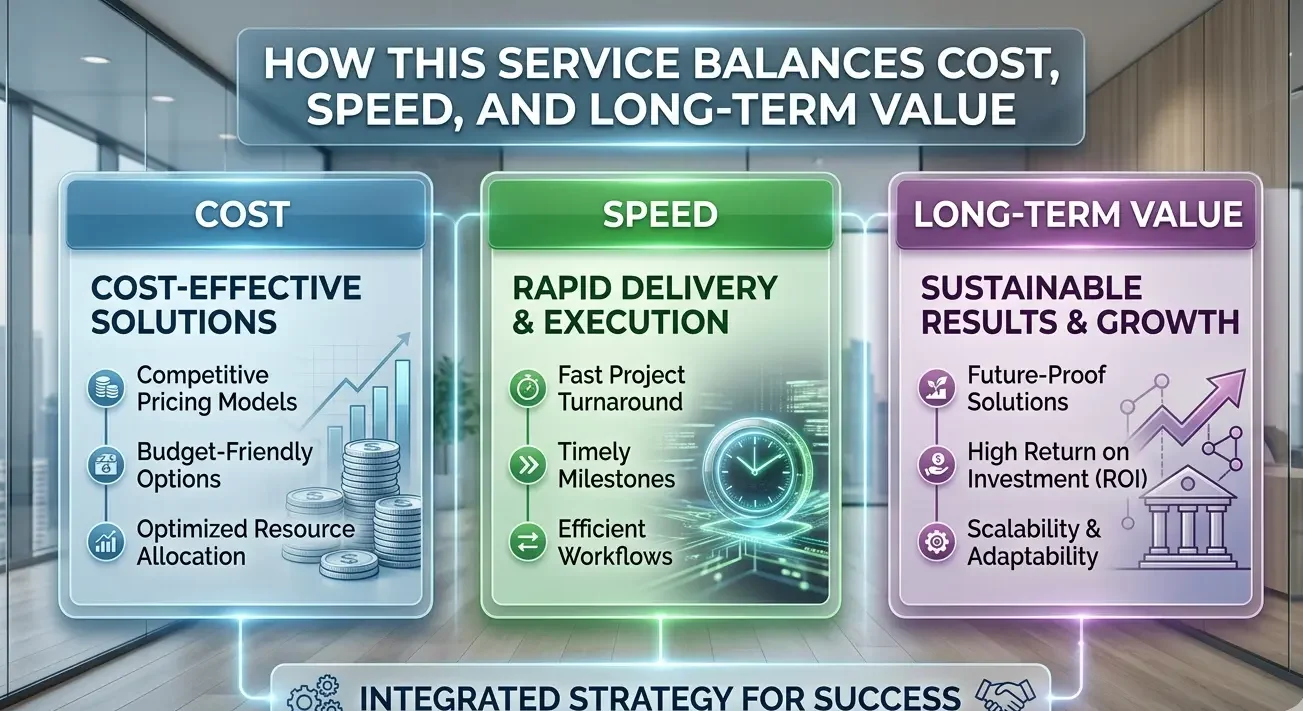
The cost‑structure is aligned with the complexity of the review‑profile and the number of items that clearly meet policy‑criteria. The service avoids speculative or low‑likelihood removals, which keeps the financial‑investment proportional to the expected outcome. Speed‑to‑impact is maximised by using pre‑defined workflows, automated‑tracking, and direct‑alignment with Indeed’s moderation‑logic, which reduces processing‑delays.
Long‑term value derives from the combined effect of removal and content‑shaping. The service doesn’t just remove a single review; it begins to re‑anchor the employer’s SERP‑narrative around verified, positive‑aligned information. The result is a more stable, low‑risk reputation‑environment that reduces the frequency and severity of future reputation‑Challenges.
Why is a professional reputation management service the most reliable option?
A professional reputation management service is the most reliable option because it combines technical expertise, policy‑knowledge, and search‑ecosystem‑understanding into a structured, repeatable process that stabilises search perception and improves SERP control.
The service leverages specialised tools and workflows that identify which reviews are eligible for removal under Indeed’s rules, ensuring that only the strongest‑cases are pursued. The process is documented, transparent, and focused on evidence‑driven outcomes rather than speculative‑interventions. This approach reduces the risk of escalation or policy‑conflict while increasing the likelihood of successful removals.
The outcomes are clear: improved search visibility, reduced negative content impact, and a more accurate reputation‑profile for the employer. By using Clear Your Name’s policy‑based removal service, employers gain a credible, structured solution that aligns with Indeed’s moderation‑framework and UK‑level search‑norms.