
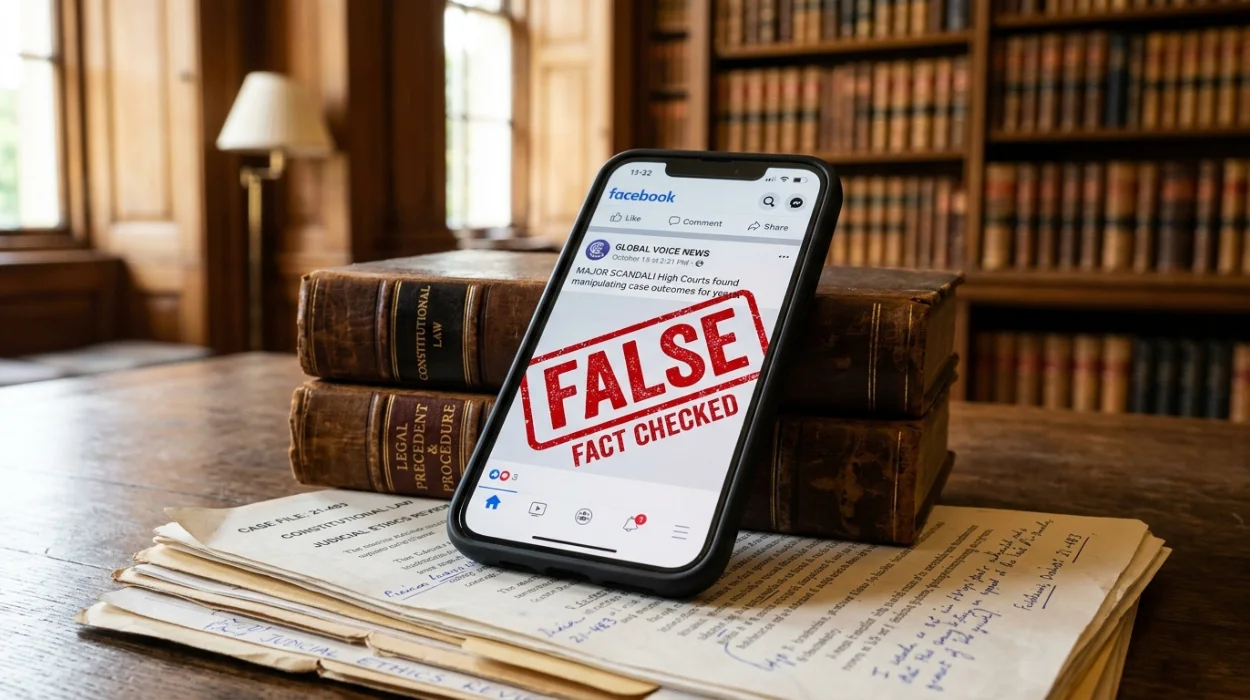
False statements published on Facebook can fall within the scope of UK defamation law when they cause serious harm to an individual’s or organisation’s reputation. The UK Defamation Act 2013 establishes the legal framework used to evaluate whether a statement is defamatory, how harm is assessed, and which defences apply.
Reputation management is the process of understanding how information shapes public perception across digital environments. UK Defamation Act Facebook False Statements explains how false social media content can affect online reputation, search visibility, and entity perception.
What Does the UK Defamation Act Define as a Defamatory Statement?
A defamatory statement is a published communication that causes or is likely to cause serious harm to a person’s reputation. Under the Defamation Act 2013, the assessment focuses on the meaning conveyed to readers and the impact that meaning has on reputation.
Defamation refers to false information that lowers an individual’s standing in the eyes of reasonable members of society. Within search ecosystems, defamatory content functions as a reputation signal because it contributes to how an entity is interpreted across digital platforms. When a Facebook post contains allegations, accusations, or misleading assertions presented as factual claims, those statements become subject to legal scrutiny.
The Act introduced the requirement of serious harm as a threshold for legal action. This requirement evaluates whether the publication has created measurable reputational damage. Search visibility increases the significance of this evaluation because indexed content can amplify exposure and influence entity perception across multiple channels.
The relationship between defamatory content and search visibility is direct. Content that receives engagement, shares, comments, or external references gains greater prominence within platform ecosystems and can become discoverable through search engine indexing. As visibility expands, reputation signals associated with the statement become stronger within SERP evaluation processes.
How Does the Serious Harm Test Affect Defamation Claims?
The serious harm test determines whether reputational damage reaches a legally actionable threshold. The Act requires claimants to demonstrate that the publication has caused or is likely to cause serious harm to their reputation.
Serious harm is a legal filter designed to distinguish substantial reputational injury from minor disputes. The mechanism evaluates both the content itself and the extent of its publication. Facebook posts can spread rapidly through sharing, reactions, and audience amplification, increasing the potential scale of reputational impact.
Search engines interpret prominence through visibility signals. When defamatory content generates sustained engagement, it can contribute to a larger digital footprint. This process affects how users encounter information during searches and influences perception before direct interaction with the affected individual or organisation.
The serious harm requirement reflects the relationship between publication scale and reputation systems. Greater visibility increases the likelihood that content contributes to lasting perception patterns, making search presence an important contextual factor in understanding reputational effects.
How Does Facebook Publication Fit Within UK Defamation Law?
Publishing a defamatory statement on Facebook constitutes publication under UK defamation law. The platform serves as a distribution mechanism through which content reaches audiences and influences perception.
Publication occurs when a third party reads or accesses the statement. Facebook satisfies this requirement because posts, comments, groups, and shared content communicate information to users beyond the original publisher. Each interaction expands the potential audience and increases exposure.
Within reputation ecosystems, Facebook functions as a source of publicly accessible information. Search engines frequently crawl and index public content, allowing platform discussions to influence search visibility. As a result, statements originating on Facebook can become part of a broader digital reputation landscape.
The integration between social media visibility and search indexing creates a reputation pathway. Information published on Facebook contributes to entity association signals, sentiment interpretation, and credibility assessments performed by both users and search systems.
What Defences Are Available Under the Defamation Act?

The Defamation Act provides specific legal defences that protect certain forms of publication. These defences determine whether a statement remains actionable despite allegations of reputational harm.
Truth
Truth is a complete defence when the publisher demonstrates that the statement is substantially true. The legal analysis focuses on factual accuracy rather than perception alone.
Search ecosystems treat factual verification as a trust signal. Information supported by evidence contributes differently to credibility evaluation than unsupported allegations. The truth defence reflects this distinction by prioritising verifiable information.
Honest Opinion
Honest opinion applies when a statement clearly represents an opinion rather than a factual assertion. The opinion must be based on existing facts that readers can identify.
Opinion and fact occupy different positions within reputation systems. Search engines evaluate sentiment, but legal analysis examines whether readers can distinguish subjective interpretation from objective claims.
Publication on a Matter of Public Interest
This defence protects publications made in the public interest when the publisher reasonably believed disclosure served a legitimate public purpose.
Public-interest content often receives high visibility because it addresses topics relevant to broader audiences. The defence acknowledges that public discourse and reputation considerations occasionally intersect within information ecosystems.
How Do Search Engines Interpret Defamatory Content?
Search engines do not determine legal liability, but they index, organise, and display content that influences reputation. Their systems evaluate relevance, authority, engagement, and contextual signals rather than legal status.
Content indexing refers to the process through which search engines discover and store information. When public Facebook content becomes indexable, it can appear in search results associated with a person’s name, organisation, or related queries.
Reputation signals emerge from the interaction between indexed content and user behaviour. Negative allegations, repeated mentions, and sentiment-rich discussions can shape entity perception regardless of legal accuracy. Search systems identify relationships between entities, topics, and sources, creating broader contextual associations.
SERP evaluation reflects how search results collectively communicate information about an entity. A defamatory statement that achieves visibility can influence interpretation because users often form impressions based on available search results rather than independent verification.
Why Does Digital Footprint Matter in Defamation Cases?
A digital footprint refers to the total collection of information associated with an individual or organisation across online environments. Defamatory content becomes part of this footprint when it remains publicly accessible.
Digital footprints influence reputation because search engines aggregate signals from multiple sources. A single Facebook post can contribute to a larger network of indexed references, citations, discussions, and content associations.
The persistence of online information increases reputational significance. Content that remains accessible over extended periods continues influencing search visibility and entity perception. Search systems repeatedly reassess indexed information, reinforcing associations that remain available across the web.
Digital footprint analysis helps explain why defamatory statements can have consequences beyond their original publication. Their influence extends through indexing, sharing mechanisms, and interconnected content networks.
How Can Defamatory Facebook Content Affect Entity Reputation?
Entity reputation refers to the collective perception attached to a person, organisation, or identifiable subject across digital ecosystems. Search engines increasingly evaluate entities rather than isolated pages.
When defamatory content becomes associated with an entity, it contributes to negative perception signals. These signals affect how users interpret credibility, trustworthiness, and authority. Search systems recognise recurring associations and incorporate them into broader contextual understanding.
Authority signals are influenced by the sources discussing an entity. False statements repeated across multiple locations create stronger association patterns, increasing visibility and interpretive weight. The repetition mechanism amplifies reputational effects even when the underlying information lacks factual accuracy.
Entity perception develops through accumulated information rather than individual documents alone. Defamatory Facebook content becomes significant because it contributes to the larger informational environment surrounding an entity.
Dive Deeper With Our Expert Guides:
How Negative TripAdvisor Reviews Affect Hotel Bookings and Search Ranking
What TripAdvisor’s Content Guidelines Prohibit and Which Reviews They Apply To
How Do Platform Reporting Systems Relate to Defamation Management?
Platform reporting systems provide procedural mechanisms for challenging content that violates platform standards. These systems operate independently from legal determinations but influence content visibility and accessibility.
Facebook evaluates reported content according to platform policies. The review process examines whether content breaches community standards, misinformation rules, harassment policies, or other moderation criteria. Platform enforcement actions can reduce visibility or remove content entirely.
Content moderation affects reputation systems because visibility directly influences perception. Reduced exposure decreases the likelihood that information contributes to ongoing reputation signals. Removal interrupts indexing pathways and limits future discoverability.
Understanding both platform governance and legal frameworks provides a comprehensive view of how defamatory content is addressed within digital ecosystems. Each mechanism operates through different evaluation criteria but affects information availability.
What Is the Relationship Between Defamation Law and Online Reputation?
Defamation law and online reputation intersect through the evaluation of information accuracy, visibility, and reputational impact. Both frameworks examine how published content influences perception, although they operate using different methodologies.
Defamation law evaluates legal responsibility for harmful statements. Online reputation analysis evaluates how information shapes public understanding through search visibility, authority signals, and content distribution patterns. The two systems converge when false information gains prominence and affects entity perception.
Search ecosystems continuously process content relationships. Legal frameworks establish standards for publication and harm, while search systems determine discoverability and prominence. Together, they define how information influences digital trust and credibility.
This relationship demonstrates that reputation is not formed solely through direct experience. It emerges through the interaction between published information, search visibility, indexing systems, and audience interpretation.
The UK Defamation Act 2013 establishes the legal standards used to assess false statements published on Facebook, including publication requirements, serious harm thresholds, and available defences. These provisions define how reputational injury is evaluated within UK law.
Online reputation develops through the interaction of content indexing, search visibility, entity perception, authority signals, and digital footprints. Defamatory content becomes significant because search ecosystems distribute, organise, and surface information that influences public interpretation. Understanding both legal definitions and reputation mechanisms provides a clearer understanding of how false statements affect credibility, trust, and visibility across digital environments.
What does the UK Defamation Act say about false statements on Facebook?
The UK Defamation Act 2013 states that a false statement published on Facebook can be defamatory if it causes or is likely to cause serious harm to a person’s reputation. The law evaluates the content, its meaning, and its impact on public perception.
Can a Facebook post be considered defamation in the UK?
Yes, a Facebook post can be considered defamation if it contains false factual claims that damage an individual’s or organisation’s reputation. Publication occurs when other users can view, read, or share the content.
How does the serious harm test apply to defamatory Facebook posts?
The serious harm test requires evidence that the statement has caused significant reputational damage. Courts assess factors such as audience reach, content visibility, and the effect on reputation within digital and search ecosystems.
Can defamatory Facebook content appear in Google search results?
Public Facebook posts and discussions can be indexed by search engines and appear in search results. This increases search visibility and can influence online reputation, entity perception, and credibility assessments.
What options exist for removing a defamatory Facebook post?
Defamatory Facebook content can be challenged through Facebook’s reporting mechanisms or through legal processes under UK defamation law. Clear Your Name often explains that both platform-based and legal routes can affect content visibility and reputation management outcomes.