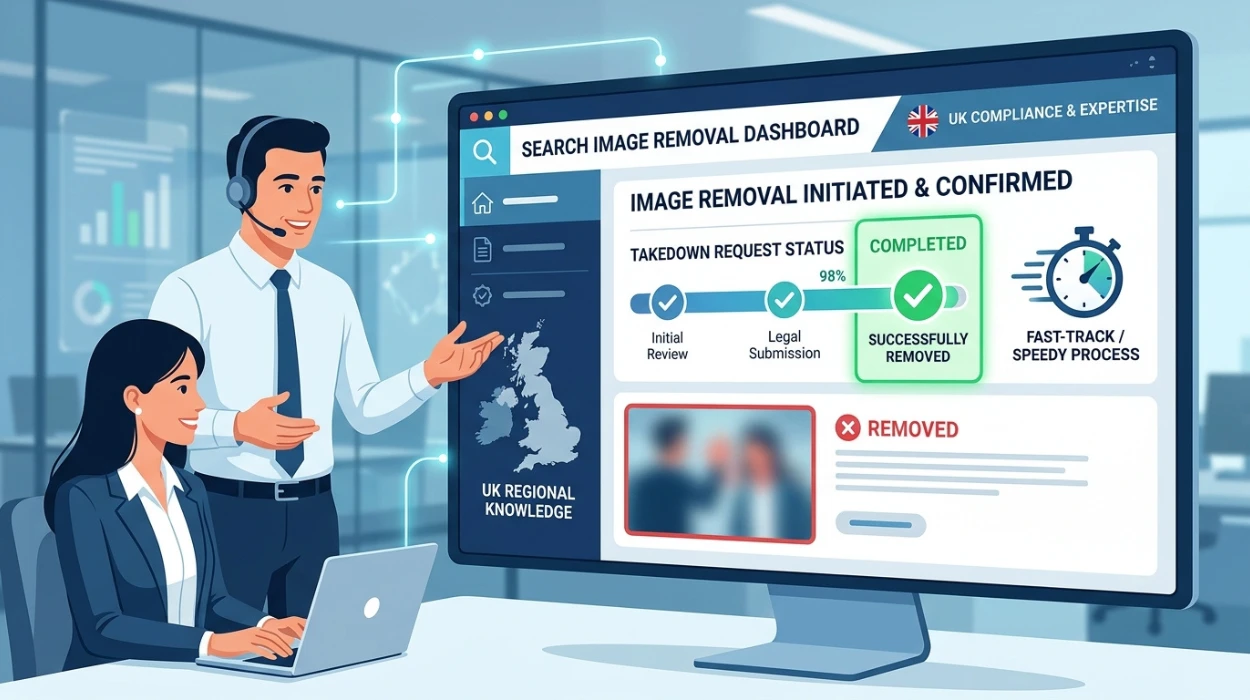
Removing an image from Google Search requires a structured approach that combines search visibility control, legal assessment, and reputation risk management. Reputation signals directly influence public perception, making image removal an important component of digital trust and online credibility.
Reputation repair services focus on reducing the visibility of harmful information and improving the accuracy of search results. Images often appear prominently in search engine results pages and can significantly affect entity credibility, making professional image assessment an effective reputation management strategy.
Why does professional image removal deliver better reputation outcomes?
Professional image removal delivers better outcomes because it combines technical analysis, privacy considerations, and search ecosystem knowledge into a structured process. Removing harmful visual content often requires more than deleting the original source because indexed information and cached references continue influencing search perception.
An image can become a lasting reputation signal when it remains visible in search results. Search users frequently form opinions based on visual content before reading text-based information. A structured takedown process therefore improves search perception influence by addressing the visibility of the image itself.
Clear Your Name approaches image-related reputation concerns through evidence-based assessments that focus on information accuracy, search visibility, and long-term reputation protection.
Dive Deeper With Our Expert Guides:
Remove a Harmful Image From Google UK With Our Image Takedown Service
Which types of images justify professional removal support?
Professional support becomes valuable when images create measurable reputational risks or involve privacy and copyright concerns. Evaluating these risks requires an assessment of the image, its source, and its continuing visibility within search ecosystems.
Images that frequently require evaluation include:
- Assess private images that expose personal information and continue appearing in search results.
- Review unauthorised content that has been published without permission or ownership rights.
- Evaluate outdated images that create misleading impressions and affect entity credibility.
- Examine harmful visual content that contributes to negative search perception and reputational risk.
These assessments provide clarity regarding available removal options and the likelihood of achieving meaningful visibility improvements.
How do Google Image Removal Services improve SERP control?
Google Image Removal Services improve SERP control by focusing directly on the information that appears in search results. The process involves analysing whether legal rights, platform policies, or technical mechanisms provide a basis for reducing image visibility.
Improved SERP control delivers measurable benefits because search users frequently interact with visual content before engaging with written information. Reducing the visibility of harmful images can improve reputation signals and create a more accurate representation of an individual or organisation.
Organisations seeking to understand why removed content remains visible often begin by exploring why images persist in Google Search after deletion, as search indexing processes directly affect reputation management decisions.
Why is evidence important when removing an image from Google Search?
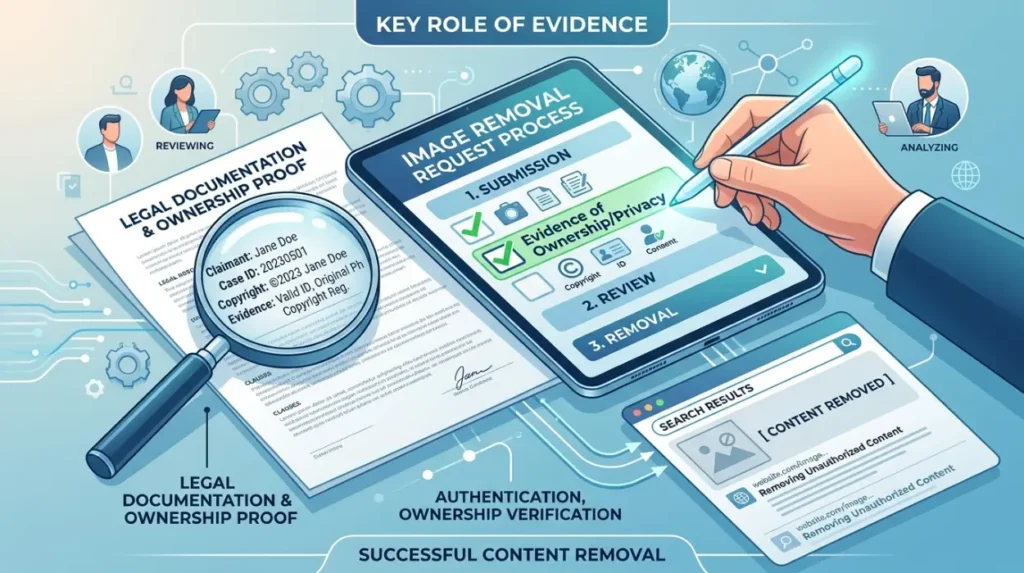
Evidence is essential because search engines and content platforms evaluate removal requests according to defined standards. A successful request generally depends on demonstrating privacy concerns, copyright ownership, or policy violations.
Evidence-based assessments improve process clarity and reduce unnecessary delays. Documentation, ownership records, and contextual information create a stronger foundation for evaluating available options.
Businesses and individuals often review how to remove images from Google Search using privacy and copyright to understand the standards that influence removal assessments and determine which approach aligns with their circumstances.
Which reputation benefits result from removing harmful images?
Removing harmful images delivers measurable improvements in online reputation because visual content strongly influences digital perception. Images often become prominent reputation signals that affect credibility, trust, and search behaviour.
Key reputation outcomes include:
- Improve information accuracy by reducing the visibility of misleading visual content.
- Strengthen entity credibility by ensuring search results reflect relevant and current information.
- Reduce reputational risk by limiting the influence of sensitive or unauthorised images.
- Stabilise search perception by improving the balance of information visible within search results.
These outcomes contribute to stronger digital trust and support more reliable online representations.
Why does professional assistance reduce reputation risks?
Professional assistance reduces reputation risks because image removal often involves legal, technical, and search-related considerations. Understanding how search ecosystems process information allows for a more strategic evaluation of available options.
A structured process also improves efficiency. Rather than relying on assumptions or incomplete information, organisations receive a clearer understanding of the mechanisms that influence search visibility and image persistence.
When individuals or businesses require a structured assessment of complex image-related concerns, a professional Google image removal service provides clarity regarding evidence requirements, removal pathways, and long-term reputation considerations.
Clear Your Name uses an analytical approach that focuses on process transparency and evidence-driven decision-making to support image-related reputation management.
How does image removal compare with negative content suppression?
Image removal and negative content suppression serve different reputation objectives. Image removal seeks to reduce the visibility of the original content, while suppression strategies seek to influence rankings by introducing additional information.
Negative content suppression can improve sentiment distribution and change search perception over time. However, when a specific image creates immediate reputational concerns, directly addressing the image often provides more targeted visibility control.
A comprehensive reputation strategy frequently evaluates both methods because search ecosystems continually process new information and reassess reputation signals.
Which factors demonstrate the long-term value of image removal services?
The long-term value of image removal services lies in improving information quality and reducing ongoing reputational exposure. Search engines regularly revisit indexed information, making visibility control an important component of sustainable reputation management.
Professional assessments also improve resource efficiency by focusing attention on images that present measurable risks and identifiable removal opportunities. This reduces uncertainty and creates a more structured decision-making process.
Clear Your Name focuses on evidence-based analysis that helps individuals and organisations understand their options and manage image-related reputation concerns with greater confidence and clarity.
Why does image removal contribute to stronger digital trust?
Digital trust is influenced by the information users encounter when searching for an individual or organisation. Harmful or misleading images can distort entity credibility and create inaccurate perceptions that persist over time.
Image removal contributes to stronger digital trust by improving the accuracy and balance of search results. Better information quality supports more reliable reputation signals and reduces the influence of outdated or unauthorised visual content.
Because visual information often shapes first impressions, controlling image visibility remains an important part of long-term reputation management and search perception influence.
Removing an image from Google Search in the UK requires more than deleting content from its original source. Effective image management depends on understanding search indexing, privacy rights, copyright protections, and the factors that influence visibility within search ecosystems.
Professional image assessments improve process clarity, strengthen SERP control, and reduce reputational risks associated with harmful visual content. By focusing on evidence, information quality, and long-term reputation outcomes, organisations and individuals can make more informed decisions regarding image-related reputation management.
Clear Your Name provides a structured and evidence-driven approach that helps clients evaluate image removal options and manage digital reputation challenges with greater certainty and transparency.
Can an image be removed from Google Search in the UK?
Yes. An image can sometimes be removed from Google Search if it breaches privacy rights, infringes copyright, or violates Google’s content policies. The available removal options depend on the type of image and the evidence supporting the request.
How long does it take to remove an image from Google Search?
The timeframe varies depending on the removal method and whether Google needs to update its search index. Some requests are processed quickly, while others require additional review and verification.
What are Google Image Removal Services used for?
Google Image Removal Services are used to assess whether privacy laws, copyright protections, or search engine policies provide grounds for removing an image from search results. Services such as those offered by Clear Your Name focus on evaluating available removal pathways and reputation risks.
Can deleting an image from a website remove it from Google Search?
Not always. Google can continue displaying an image if it remains indexed or cached after the original file has been removed. Search engines generally need to recrawl the source and update their indexes before the image disappears from results.
Why can harmful images affect online reputation?
Images often appear prominently in search results and can strongly influence reputation signals and public perception. Sensitive, outdated, or unauthorised images can become part of an individual’s or organisation’s digital footprint and affect online credibility.