Google Autocomplete suggestions are generated by analysing search behaviour, language patterns, popularity signals, and search prediction systems to anticipate user queries before they are completed. Reputation management is the study of how search ecosystems interpret, organise, and present information that influences digital trust and entity perception.
Online reputation refers to the collection of searchable information associated with an individual, organisation, or topic across search engines and other digital platforms. Search engines continuously evaluate reputation signals through content indexing, user behaviour, authority indicators, and semantic relationships to determine how information is displayed. Google Autocomplete forms part of this evaluation because suggested search phrases influence how users interact with search results before a query is even submitted. Understanding how these suggestions are generated explains why certain phrases persist and how they influence search visibility, digital credibility, and entity perception.
What Is Google Autocomplete and How Does It Work?
Google Autocomplete is a predictive search feature that generates suggested queries while users type into the search bar. It operates by analysing historical search activity, language models, trending searches, geographic relevance, and query frequency to predict likely search intentions.
Autocomplete does not create information independently. Instead, it evaluates large collections of previously submitted searches and identifies patterns that indicate what users commonly search for after entering similar words or names. The system processes these behavioural signals rapidly to improve search efficiency while reducing typing effort. Every prediction represents an algorithmic interpretation of searchable data rather than a verified statement of fact.
Within search ecosystems, Autocomplete contributes to search visibility because suggested phrases influence which searches users ultimately perform. This interaction affects information discovery by directing attention towards particular search topics before users reach the search engine results pages (SERPs). As a result, predictive suggestions become an important component of overall reputation signals.
Why Do Harmful Google Autocomplete Suggestions Appear?
Harmful Google Autocomplete suggestions appear when predictive algorithms identify recurring search patterns associated with an entity, regardless of whether those associations accurately represent the individual or organisation. Search prediction systems evaluate frequency and behavioural trends rather than judging factual accuracy.
Search engines analyse aggregated user behaviour across large datasets. When significant numbers of users repeatedly search an individual’s name alongside negative words or controversial topics, those combinations become stronger prediction candidates. This mechanism explains why repeated searches alone can influence autocomplete visibility without establishing whether the underlying implication is accurate.
Autocomplete predictions therefore represent behavioural data rather than editorial decisions. Search algorithms prioritise relevance and probability of future searches instead of verifying whether suggested associations reflect reality. This distinction is essential when analysing search perception influence because predictive visibility affects public interpretation independently of factual verification.
How Do Autocomplete Suggestions Influence Online Reputation?
Autocomplete suggestions influence online reputation by shaping user expectations before search results are displayed. Suggested phrases create immediate cognitive associations that affect entity perception and influence subsequent search behaviour.
Search visibility begins before users open a webpage. When predictive suggestions introduce negative themes, users frequently select those suggestions, increasing exposure to related indexed content. This process strengthens behavioural feedback loops because repeated interaction reinforces search demand for the same predictions.
Entity credibility therefore develops across multiple search stages rather than exclusively through webpage rankings. Autocomplete contributes to this broader evaluation by directing user attention towards particular information categories, influencing which content receives additional visibility and engagement within search ecosystems.
Which Signals Influence Google’s Autocomplete Predictions?
Google’s prediction systems evaluate numerous signals simultaneously rather than relying upon a single ranking factor. Each signal contributes differently according to language, location, historical activity, and user behaviour.
Important signals include:
- Analyse historical search frequency to identify commonly repeated search combinations.
- Evaluate current search trends to recognise rapidly increasing public interest.
- Interpret language relationships using semantic analysis between words and entities.
- Measure geographic relevance by adapting suggestions to local search behaviour.
- Assess user interaction patterns to improve future prediction accuracy.
These combined signals continuously update prediction models, allowing Autocomplete to adapt as search behaviour evolves. The system therefore reflects changing search demand rather than maintaining permanently fixed suggestions.
Why Does Search Behaviour Affect Autocomplete More Than Individual Content?
Search behaviour influences Autocomplete because prediction systems primarily analyse query patterns rather than webpage quality. Content indexing determines which pages appear within SERPs, whereas predictive suggestions estimate which searches users are most likely to perform.
This distinction separates Google’s search prediction systems from traditional ranking algorithms. A webpage with limited authority does not necessarily create Autocomplete suggestions directly. Instead, repeated searches involving similar phrases gradually strengthen predictive confidence across Google’s behavioural models.
Understanding this relationship improves interpretation of reputation signals because search behaviour, search visibility, and user expectations operate together rather than independently. Autocomplete therefore represents behavioural forecasting within search ecosystems instead of content evaluation alone.
How Does Google Balance Prediction Accuracy and Search Quality?
Google balances prediction accuracy by combining behavioural data with quality safeguards designed to reduce inappropriate or policy-restricted suggestions. Prediction systems continually evaluate which search combinations provide useful assistance while filtering categories that violate established standards.
Although behavioural patterns influence prediction generation, automated quality controls attempt to exclude suggestions associated with explicit content, dangerous activities, hate speech, or other restricted categories. These safeguards demonstrate that prediction systems evaluate both relevance and policy compliance when determining which suggestions remain visible.
Because search behaviour constantly changes, prediction models also evolve over time. Search frequency, emerging topics, language shifts, and broader behavioural trends all contribute to ongoing adjustments in Autocomplete visibility.
Dive Deeper With Our Expert Guides:
How Forum Posts Damage Reputation and Why They Can Rank in Google for Years
Why Court Cases Appear in Google Search Even After They Have Been Resolved
How Do Harmful Autocomplete Suggestions Influence Search Visibility?
Harmful Autocomplete suggestions influence search visibility by directing users towards specific search paths before they view search results. Search predictions become part of the information discovery process because they shape query selection and influence subsequent user behaviour.
Search engine results pages (SERPs) reflect both indexed content and user intent. When predictive suggestions encourage searches containing negative terms, users interact with a different collection of indexed pages than they would through neutral searches. This changes search perception because reputation signals become associated with negative search pathways rather than balanced information.
Autocomplete therefore contributes indirectly to entity perception. It does not alter webpage rankings directly, but it changes which search journeys users follow, influencing content visibility and digital credibility across search ecosystems.
What Role Does Content Indexing Play in Autocomplete Predictions?
Content indexing supports Google’s understanding of searchable topics, while Autocomplete predicts likely search queries using behavioural analysis. These systems operate together but perform different functions within search ecosystems.
Content indexing organises webpages according to relevance, authority, and semantic relationships. Autocomplete evaluates search demand and predicts future queries before search results appear. Together, they influence how users discover information and how search engines organise digital knowledge around individuals, organisations, and subjects.
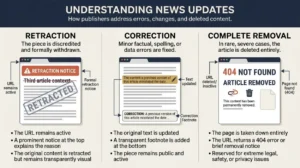
Understanding this distinction explains why removing or updating indexed content does not always produce immediate changes in predictive suggestions. Behavioural patterns continue influencing Autocomplete until sufficient changes occur within search activity.
Why Is Understanding Autocomplete Important for Reputation Analysis?
Understanding Google Autocomplete improves reputation analysis because predictive search forms part of the broader information environment evaluated by users. Reputation management examines how search engines organise information, interpret reputation signals, and influence public understanding through multiple search features.
Autocomplete demonstrates that online credibility develops before users access webpages. Search prediction, content indexing, entity perception, and SERP evaluation interact continuously to influence digital trust. Analysing these relationships provides a clearer understanding of how reputation forms within modern search ecosystems.
Readers seeking a deeper understanding of evaluation methods can also explore removing damaging Google Autocomplete suggestions, which explains the approaches used to assess available response options within search environments.
Google Autocomplete is a predictive search system that analyses behavioural patterns, language relationships, and search demand to generate suggested queries. These predictions influence search visibility by shaping user behaviour before search engine results pages are displayed.
Understanding how Autocomplete interacts with reputation signals, content indexing, entity perception, and SERP evaluation provides greater insight into how digital reputations develop within search ecosystems. Analysing these mechanisms helps explain why predictive suggestions persist, how search behaviour influences visibility, and why search perception extends beyond webpage rankings alone.
How are Google Autocomplete suggestions generated?
Google Autocomplete suggestions are generated using search popularity, user behaviour, language patterns, location, and trending queries. These predictions help users complete searches more quickly but do not confirm that suggested terms are accurate or factual.
Why do harmful Google Autocomplete suggestions appear?
Harmful Google Autocomplete suggestions appear when Google’s prediction systems detect frequent searches linking a person, business, or topic with particular terms. The suggestions reflect search behaviour rather than verified facts or editorial judgments.
Can Google Autocomplete suggestions affect online reputation?
Yes. Google Autocomplete suggestions influence user perception before search results appear, affecting reputation signals, search visibility, and entity perception. Negative predictions can shape search behaviour and direct users towards related indexed content.
Can harmful Google Autocomplete suggestions be removed?
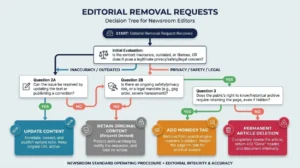
Some harmful Google Autocomplete suggestions may qualify for review or removal if they violate Google’s policies or applicable legal requirements. The outcome depends on the nature of the suggestion and Google’s evaluation process.
How can Clear Your Name help with Content Removal related to Google Autocomplete?
Clear Your Name evaluates harmful search predictions, reviews available Content Removal options, and identifies appropriate processes based on search engine policies and legal considerations. This structured approach supports better search visibility and long-term reputation management.