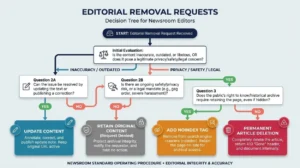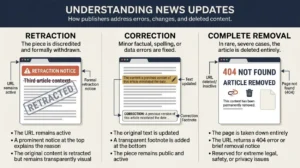
Legal online reputation management services refer to structured legal processes that address online content affecting reputation through lawful content governance, copyright enforcement, and information correction mechanisms. Reputation management is the systematic process of analysing how digital information shapes search visibility, entity perception, and online credibility within search ecosystems.
What Are Legal Online Reputation Management Services?
Legal online reputation management services refer to legal frameworks and regulatory mechanisms used to address online content that affects an individual’s or organisation’s digital reputation. Within search ecosystems, these services focus on enforcing legal rights relating to copyright, privacy, defamation, data protection, and unlawful publication. Search engines evaluate publicly available information through content indexing rather than legal interpretation, making lawful content governance essential for maintaining accurate search representation. Reputation signals depend on authentic, verifiable information that aligns with recognised legal standards. Legal intervention therefore supports information integrity by resolving content that conflicts with applicable legislation.
Legal reputation management differs from general reputation management because it relies on enforceable legal rights rather than communication strategies. Search visibility changes when legally removed or corrected information alters indexed content. Entity perception also becomes more accurate because search algorithms evaluate updated information after indexing cycles. Legal frameworks establish consistent procedures for correcting inaccurate or unlawful online information. These procedures contribute to reliable search evaluation and stronger digital trust.
How Does Legal Reputation Management Influence Search Visibility?
Legal reputation management influences search visibility because lawful content removal or correction changes the information available for search engine indexing. Search visibility refers to the prominence of indexed content within Search Engine Results Pages (SERPs). When unlawful or infringing content is removed through recognised legal procedures, search engines update indexed records during subsequent crawling and processing cycles. This reduces conflicting information while strengthening the visibility of authentic resources. Search evaluation therefore reflects more accurate information relationships.
Content indexing relies on accessible digital information rather than subjective interpretation. Legal enforcement modifies indexed content by removing material that violates copyright, privacy legislation, or other applicable legal standards. Search algorithms then reassess entity relationships using revised information. Reputation signals become more consistent because authentic sources remain prominent within search ecosystems. This process demonstrates the connection between legal governance and search quality.
Why Is Online Reputation Connected to Legal Information Governance?
Online reputation is connected to legal information governance because digital credibility depends on the accuracy, legality, and authenticity of publicly available information. Online reputation refers to the collective perception formed through indexed digital content. Legal governance establishes rules for publication, ownership, privacy, and information correction that influence this perception. Search engines evaluate available content according to relevance and authority without determining legal validity independently. Governance frameworks therefore ensure that indexed information aligns with recognised legal standards.
Digital trust develops through consistent relationships between information quality and lawful publication. Unlawful content introduces conflicting reputation signals that reduce attribution accuracy. Legal processes resolve these conflicts through documented review and removal procedures. Entity perception becomes clearer after search systems reprocess updated information. Legal governance supports long-term search reliability by maintaining structured information quality.
What Types of Online Content Can Be Addressed Through Legal Processes?
Legal processes address online content that violates recognised legal rights relating to publication, ownership, privacy, or reputation. These categories include copyrighted material, defamatory publications, privacy breaches, unauthorised personal information, misleading impersonation, and unlawful digital content. Each category follows distinct legal standards that determine eligibility for review or removal. Search engines update content indexing after platforms implement lawful decisions. This ensures more accurate search representation.
Categories of Legally Governed Online Content
Different legal frameworks regulate different forms of online information.
- Protect copyrighted works by addressing unauthorised reproduction of original content.
- Correct defamatory publications through legally recognised dispute procedures.
- Remove privacy violations by enforcing applicable data protection legislation.
- Resolve impersonation issues by establishing verified identity ownership.
- Enforce lawful publication standards through platform-specific compliance procedures.
Each category strengthens digital information governance by improving the accuracy of publicly accessible content.
How Do Search Engines Interpret Legal Content Changes?

Search engines interpret legal content changes by updating indexed information after websites, hosting providers, or platforms modify accessible content. Search algorithms evaluate content availability rather than legal judgements directly. When content becomes unavailable due to lawful removal, indexing systems remove or revise corresponding search records during scheduled crawling processes. Search visibility therefore changes because the searchable information landscape changes. This process improves entity perception by reducing outdated or unlawful information.
SERP evaluation reflects updated indexing rather than immediate legal decisions. Search engines verify accessible content before adjusting rankings or removing indexed pages. Information quality improves because revised indexing contains more accurate content relationships. Reputation signals become more reliable when lawful corrections remove conflicting information. Search ecosystems therefore depend on continuous indexing updates.
What Role Does Copyright Protection Play in Reputation Management?
Copyright protection is a legal mechanism that preserves ownership of original creative works through recognised intellectual property rights. Within search ecosystems, copyright establishes clear attribution between creators and published content. Unauthorised duplication weakens entity perception because search algorithms evaluate competing versions of similar information. Copyright enforcement restores ownership clarity by removing infringing copies through structured legal procedures. This supports search visibility by reinforcing authentic publication records.
Original content contributes stronger authority signals than duplicated material because search engines evaluate originality during indexing. Copyright governance also improves digital trust through documented ownership verification. Search systems interpret consistent attribution as an indicator of credible publishing behaviour. Reputation management therefore incorporates copyright protection as part of broader information governance. Accurate ownership strengthens search evaluation and online credibility.
How Do Privacy Rights Affect Digital Reputation?
Privacy rights regulate the collection, publication, and processing of personal information within digital environments. Digital reputation depends on publicly available information that search engines can access and index. Unlawfully published personal information contributes inaccurate or inappropriate reputation signals because it expands searchable content without lawful justification. Privacy legislation provides mechanisms for requesting correction or removal where legal requirements apply. This improves digital information accuracy.
Search engines evaluate publicly accessible content regardless of its personal sensitivity. Legal privacy frameworks therefore influence search ecosystems indirectly by changing accessible information. Updated indexing reflects revised publication status after lawful action occurs. Entity perception becomes more accurate because irrelevant or unlawful personal information no longer contributes to search evaluation. Privacy governance supports balanced information representation.
Dive Deeper With Our Expert Guides:
How to Remove Copy-Paste Content from Internet
Professional DMCA Takedown Services for Creators
How Do Authority and Trust Signals Support Legal Reputation Management?
Authority signals measure the credibility, originality, and reliability of digital information across search ecosystems. Trust signals include verified authorship, structured publication history, accurate attribution, and lawful content governance. Search algorithms evaluate these indicators to determine search visibility and SERP ranking relationships. Legal compliance reinforces trust because information remains aligned with recognised publication standards. This strengthens reputation signals.
Entity perception develops through consistent associations between reliable information sources and verified ownership. Legal governance improves these associations by removing unlawful or inaccurate content from searchable environments. Search evaluation therefore becomes more accurate because authentic information remains prominent. Trust increases through stable publication records and transparent ownership. Authority and legal compliance operate together within digital reputation systems.
How Does SERP Evaluation Shape Online Credibility?
SERP evaluation refers to the algorithmic process that determines the ranking and presentation of indexed content for specific search queries. Online credibility develops through repeated exposure to authoritative and legally compliant information within search results. Search visibility influences perception because users evaluate ranking positions as indicators of informational reliability. Lawfully corrected search results therefore improve entity recognition. This reinforces digital trust.
Content ranking depends on relevance, authority, originality, and indexing quality rather than legal status alone. Legal processes improve these ranking factors indirectly by modifying accessible information. Search systems interpret updated content relationships during subsequent indexing cycles. Reputation signals become clearer because search results contain fewer conflicting records. SERP evaluation therefore reflects information integrity supported by lawful governance.
How Does Legal Governance Strengthen Digital Footprints?
A digital footprint is the complete collection of publicly accessible information associated with an individual, organisation, or entity across online platforms. Legal governance strengthens digital footprints by maintaining accurate, lawful, and verifiable information within searchable environments. Content removal, ownership enforcement, and privacy compliance reduce conflicting reputation signals. Search indexing therefore reflects a more accurate digital identity. Entity perception improves because algorithms evaluate consistent information relationships.
Digital footprints influence online credibility through cumulative search evaluation. Every indexed page contributes additional reputation signals that affect search visibility. Legal frameworks preserve informational integrity by regulating ownership, publication, and personal information rights. This governance improves long-term digital trust through accurate search representation. Reputation management therefore relies on lawful information quality as a foundational principle.
Legal online reputation management services represent structured legal frameworks that regulate digital information through copyright protection, privacy rights, lawful publication standards, and content governance. Search engines evaluate indexed information using authority signals, entity perception, content indexing, and search visibility rather than legal interpretation alone. Legal processes improve search representation by correcting or removing information that conflicts with recognised legal standards. Understanding these relationships explains how legal governance supports digital trust, accurate online credibility, and reliable search ecosystems.
What are legal online reputation management services?
Legal online reputation management services use recognised legal processes to address online content that affects reputation, including copyright infringement, defamation, privacy issues, and unlawful publications. These services help improve the accuracy of online information while supporting search visibility and digital credibility.
How do legal online reputation management services improve search results?
Legal action can result in unlawful or infringing content being removed or corrected, allowing search engines to update their indexed results. This improves search visibility by ensuring that more accurate and authoritative information appears in search engine results pages (SERPs).
What types of content can be removed through legal reputation management?
Depending on the applicable laws, legal reputation management can address copyright infringement, defamatory content, privacy violations, impersonation, and unauthorised personal information. Each request is reviewed according to legal requirements before any action is taken.
How does copyright protection support online reputation management?
Copyright protection helps preserve original content by enabling rights holders to request the removal of unauthorised copies. Clear Your Name can assist with Legal, Copyright & Content Takedown processes that protect content ownership and reduce duplicate or infringing material online.
Why are legal online reputation management services important for digital credibility?
Legal online reputation management services help maintain accurate digital information by addressing unlawful or misleading online content. This supports stronger reputation signals, clearer entity perception, and more reliable search engine indexing over time.