Professional Google Image Removal Services help individuals and businesses address harmful image results through policy-based removal requests, privacy assessments and structured reputation management. Clear Your Name provides a clear process for evaluating image-related risks, pursuing eligible removals and strengthening search visibility when deletion is not available.
When an unwanted photograph appears prominently in Google Image Search, it becomes a reputation signal that influences how clients, employers, colleagues and customers assess an individual or organisation. Effective action requires more than submitting a removal request: it requires identifying the source, understanding the applicable policy, documenting the grounds for action and managing the wider search results. The objective is to reduce harmful exposure, protect entity credibility and establish greater control over search perception without promising removals that Google or a publisher has not approved.
Why should you hire a professional Google Image Removal Service?
A professional service brings structure, policy knowledge and consistent case management to image-related reputation problems. Harmful photographs can appear alongside a person’s name, business identity or professional credentials, creating a visible association before a searcher reaches an official website or trusted profile. Google Image Search displays images drawn from web pages, so the underlying source and the circumstances of publication influence which action is appropriate. A specialist evaluates those factors before recommending a removal request, publisher contact or alternative reputation strategy. This approach reduces wasted effort and connects each action to a defined outcome.
Image removal is not a universal process because different cases involve different rights, policies and publication contexts. An intimate image shared without consent, exposed personal information, a copyrighted photograph and an unflattering but lawful image do not necessarily qualify under the same rules. A professional assessment separates the available options and identifies the evidence required for each route. This clarity helps clients understand the realistic prospects, the expected steps and the limits of intervention. It also prevents unsupported requests from becoming the default response to every negative result.
The strongest service combines removal eligibility with wider SERP control. When a photograph qualifies under an applicable Google policy, a properly documented request can seek to restrict its appearance in relevant Google results. When the image does not qualify, the response can focus on contacting the publisher, addressing the original page where justified or improving the visibility of accurate, credible content. These routes address different causes of the same reputation problem. The result is a strategy based on the source of harm rather than an unrealistic promise that every unwanted image will disappear.
Dive Deeper With Our Expert Guides:
Remove Embarrassing Photos From Google UK With Our Discreet Removal Service
Suppress Negative Content on Google UK With Our Proven Long-Term ORM Strategy
Which harmful images qualify for Google removal?
Images qualify for removal when the circumstances meet a relevant Google policy or an applicable legal requirement. Eligibility depends on the content, the person affected, the publication context and the evidence available. For example, certain non-consensual explicit images, qualifying personal information and other content covered by specific policies can be considered for removal from Google Search. The assessment must match the facts to the relevant policy instead of relying on the general claim that a photograph is damaging. This distinction helps set accurate expectations before time and resources are committed.
A professional assessment examines the image, the webpage hosting it, the information visible in the result and the reason removal is being requested. The case file records the image URL, source-page URL, relevant dates and supporting evidence where available. This documentation gives the request a clear factual basis and helps distinguish a policy issue from a disagreement with lawful publication. Where the source page contains personal data or material published without consent, the appropriate route depends on the specific circumstances. Clear Your Name uses this type of structured evaluation to help clients understand which route fits their case.
Not every embarrassing or negative photograph breaches Google’s policies. A lawful news photograph, a public event image or a critical editorial image does not automatically become removable because it affects a person’s reputation. Requests based solely on dislike or reputational discomfort lack the same basis as requests supported by a qualifying privacy, safety, consent or legal concern. A reliable provider explains this difference before making claims about likely outcomes. That honesty protects clients from paying for an approach that does not match the circumstances.
How does the removal process improve visibility and reputation control?
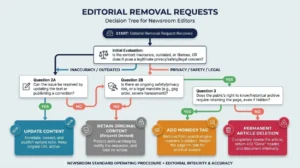
A documented process improves control by connecting each image to a specific source, policy and next action. The first stage identifies where the image appears and whether the issue originates in Google’s results, the publisher’s website or both. The second stage checks the available policy or legal grounds and gathers the relevant supporting information. The third stage submits the appropriate request or contacts the source where justified, followed by monitoring to establish what changed. This sequence gives the client a clear record of actions, decisions and outstanding issues.
- Identify each harmful image URL and source page to establish the exact content requiring attention.
- Assess the applicable Google policy or legal basis to determine whether a removal request has credible grounds.
- Document consent issues, exposed personal details or other relevant evidence to support the request.
- Submit the appropriate request or publisher communication with accurate URLs and a concise explanation of the issue.
- Monitor the relevant search results and source pages to record decisions, changes and any required follow-up.
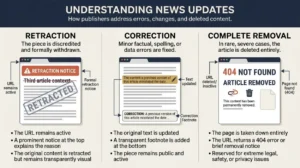
This process also clarifies what a successful outcome means. Google may remove a qualifying result from Search without deleting the image from the website hosting it. A publisher may remove the original image while cached or indexed versions remain visible temporarily until search systems refresh. In other cases, the request is rejected because the content does not meet the relevant criteria. Reporting these distinctions helps clients understand whether exposure has been reduced, whether further action is needed and which part of the problem remains unresolved.
Search visibility is only one component of reputation recovery. A removed image can reduce direct exposure through the relevant search route, while accurate professional profiles and authoritative content help establish a more balanced view of the person or business. These activities influence the information available to searchers, but they do not guarantee a specific ranking or the complete disappearance of negative material. A sustainable strategy measures changes across the relevant queries, image results, source pages and trusted brand assets. This makes reputation progress observable rather than dependent on a vague promise of improved perception.
How quickly can Google Image Removal Services deliver results?

The speed of a removal case depends on policy eligibility, the quality of evidence, the source website and the review process. A well-documented request gives the reviewer the information needed to assess the issue, but it does not guarantee immediate approval. Publisher responses and search index updates also follow separate timelines, so the removal of an original image and the disappearance of a search result do not always happen together. A dependable service communicates these separate stages rather than presenting a fixed deadline as a certainty. Clients receive a more useful view of progress when updates identify what has been submitted, what remains under review and what action comes next.
The first measurable milestone is a completed assessment with a defined route for action. The next is confirmation that the request or publisher communication has been submitted, followed by a recorded decision or response. Where a result is removed, monitoring checks whether the relevant image remains visible in the target search experience and whether the source page still publishes it. Where a request is refused, the next step depends on the reason for refusal and the availability of another legitimate route. This milestone-based approach provides visibility into the process without confusing activity with a guaranteed outcome.
Search perception influence also requires attention to the queries people actually use. A photograph associated with a full name, business name, job title or other identifying phrase creates a different exposure pattern from an image appearing only for a broad search term. A professional review therefore identifies the important search queries and records the starting position of the image where practical. Follow-up checks compare those results over time and distinguish actual removal from ordinary ranking fluctuations. This evidence supports clearer reporting and more informed decisions about the next stage of reputation management.
Is a professional service worth the cost?
A professional service earns its value through accurate assessment, reduced administrative burden and a coherent response to image-related reputation risks. The cost of a case depends on the number of images, the complexity of the policy issue, the evidence required and whether publisher contact or broader reputation work is necessary. A single eligible image can require a different level of work from multiple images published across unrelated websites. A transparent provider explains the scope, deliverables and limits before work begins. That allows clients to compare the proposed service with the actual problem instead of relying on a generic package description.
The financial comparison also needs to account for the cost of unmanaged exposure. A damaging image can affect a recruitment process, a client’s confidence, a business enquiry or a professional relationship when it appears prominently beside credible information. The impact varies by situation, so a responsible service does not assign a guaranteed financial loss to every negative result. Instead, it evaluates the image’s visibility, the search terms that reveal it and the relevance of the audience likely to encounter it. This makes the decision more evidence-led and helps prioritise cases where the potential reputational impact is greatest.
Before committing, clients need to understand what the fee includes and what happens if removal is not approved. The agreement must distinguish assessment, request preparation, submission, follow-up and any separate work involving the publisher or reputation content. It must also explain that third-party decisions remain outside the provider’s control. Clear Your Name can position its Google Image Removal Services around this transparent process: assess the case, explain the available route, document actions and report the outcome. Clear scope and honest limitations strengthen trust because clients know what the service controls and what it cannot guarantee.
How can you reduce legal and reputational risk during removal?
Risk reduction begins with using a valid basis for each request and presenting the facts accurately. Unsupported claims, incomplete URLs or incorrect descriptions can weaken a request and waste time. A reliable process separates privacy concerns, consent issues, copyright questions and general reputational objections because each category requires a different assessment. Where legal rights are involved, the case needs to be reviewed against the relevant circumstances and applicable law rather than treated as a standard search complaint. This discipline supports a defensible response and reduces the risk of pursuing the wrong remedy.
Privacy protection also matters while evidence is collected. Clients need to share only the information required to assess and submit the case, using appropriate channels and limiting unnecessary circulation of sensitive material. A provider must explain what evidence is needed, how it will be used and which parties receive it during the process. This is particularly important where the image involves intimate material, personal identifiers or a vulnerable individual. A careful evidence-handling process protects the person seeking help while preserving the information required for a legitimate request.
Clients can also validate their wider strategy by reviewing how unwanted photos affect personal and professional brand perception and by understanding which image-removal policies and privacy rights apply. These linked resources help distinguish the reputational effect of a visible image from the grounds that support formal removal. That distinction prevents a common strategic error: treating every harmful result as a policy violation. Where removal is unavailable, a separate plan for source correction, accurate content and negative content suppression can still address the wider search experience. The goal is to reduce avoidable exposure while keeping the response factual, proportionate and sustainable.
Which provider offers the most reliable long-term solution?
The most reliable provider combines realistic removal assessments with follow-up monitoring and a documented plan for unresolved results. Reputation management does not end when a request is submitted because the publisher, search engine and other websites operate independently. An image can remain on its original page after a search result changes, and a previously reduced result can become visible again as indexing changes. A long-term approach therefore tracks both the source and the relevant search results instead of treating one submission as the complete solution. This gives clients a clearer understanding of what has been resolved and where exposure persists.
When evaluating a provider, look for evidence of process quality rather than claims of guaranteed deletion. A credible service explains the policy grounds for a request, sets out the required evidence, confirms the work included in the fee and provides updates at meaningful milestones. It also distinguishes confirmed removals from pending decisions and explains the alternatives available when a request fails. These standards reduce uncertainty and help clients make informed decisions throughout the engagement.
- Verify that the provider explains the relevant policy or legal basis before submitting a request.
- Confirm that the service records image URLs, source pages, submission dates and case decisions.
- Review whether progress reports distinguish completed actions from outcomes controlled by Google or publishers.
- Check that the proposed fee identifies included work, follow-up arrangements and exclusions.
- Prioritise providers that offer a realistic alternative strategy when direct removal is unavailable.
Sustainable reputation management also requires stronger, accurate search signals around the affected person or organisation. Maintaining authoritative profiles, correcting outdated information and publishing credible professional content can help searchers encounter a more complete representation of the entity. These activities support entity credibility and contribute to a broader SERP control strategy, but they do not guarantee that a specific image will lose its ranking. Negative content suppression must rely on legitimate, relevant content and consistent maintenance rather than artificial engagement or misleading claims. When combined with eligible removal requests, this approach addresses both immediate exposure and the wider information environment.
How can you take the next step with Clear Your Name?
Start with a case assessment that identifies the harmful image, its source, the search queries that reveal it and the grounds available for action. Clear Your Name provides a focused route for evaluating image-related concerns, clarifying the removal options and defining the next steps. The assessment establishes whether a policy-based request, publisher contact or broader reputation management strategy is the most appropriate response. It also creates a practical basis for setting expectations about timing, evidence and follow-up. This is the foundation of a reliable service: a clear process, a documented rationale and outcomes assessed against the facts.
If an unwanted photograph is affecting professional credibility, personal privacy or customer confidence, address the source and search visibility systematically. Begin by gathering the relevant URLs and recording where the image appears, then seek a clear explanation of the available options before committing to a service. A credible provider will explain both the opportunities and the limitations without promising an outcome outside its control. With structured assessment, appropriate action and ongoing monitoring, Google Image Removal Services can help reduce eligible harmful exposure and support a more accurate online reputation. The priority is not an exaggerated promise of instant deletion; it is a transparent process designed to deliver the strongest defensible outcome for each case.
How can I remove harmful photos from Google Images?
Harmful photos can be removed by identifying the original webpage, reviewing the relevant platform’s removal policies, and submitting a removal request to Google when the content meets its eligibility criteria. A Google image removal service, such as Clear Your Name, can help assess the content and guide the removal process.
Can Google remove personal or embarrassing photos from search results?
Google may remove eligible images involving personal information, explicit content, non-consensual imagery, or other policy violations. Removing an image from Google Search does not automatically delete it from the original website, so a separate request to the website owner may also be necessary.
How long does Google Image removal take?
The timeframe depends on the type of content, the evidence provided, and Google’s review process. Even after Google approves a request, the image may remain available on the original website until the publisher removes it.
Can I hire a Google Image removal service to delete harmful photos?
Yes, a professional Google image removal service can assess the images, identify applicable removal policies, and assist with submitting requests to Google or website publishers. Clear Your Name can help individuals understand their available options, although removal depends on the content, platform policies, and applicable circumstances.
What should I do if Google refuses to remove a harmful image?
Review Google’s decision, check whether the image qualifies under another removal policy, and provide additional evidence if appropriate. You can also contact the website owner or pursue applicable legal remedies when the image violates privacy rights or other relevant laws.