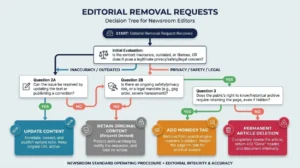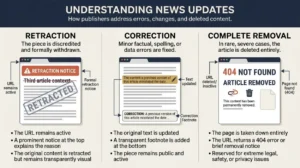
Removing a damaging link from Google Search depends on selecting the request route that matches the nature of the indexed content and Google’s evaluation processes. Reputation management strategies differ based on the origin of the content, the applicable removal mechanism, and the way search ecosystems interpret reputation signals. Online reputation control methods are evaluated through their ability to improve entity credibility, maintain search visibility, and influence SERP composition using structured and policy-based approaches.
Understanding the correct request route requires analysing how search engines process indexed information and how different reputation management methods influence search perception. A damaging search result does not always require the same response because Google evaluates legal requests, policy-based removals, outdated content requests, and content updates through separate frameworks. Comparing these approaches explains why selecting the appropriate request route improves procedural accuracy and reduces unnecessary delays. Reputation management therefore focuses on aligning the removal method with the characteristics of the indexed content rather than applying a single solution to every situation.
Which request route provides the most effective approach for removing a damaging Google Search link?
The most effective request route is determined by the nature of the indexed content and the policies governing its removal. Reputation management compares available approaches by evaluating compliance requirements, evidence standards, and their influence on search visibility.
Google provides multiple request routes because different categories of content require different evaluation procedures. Outdated content follows one process, legal removals follow another, and policy-related requests operate under separate moderation criteria. Each route defines specific evidence requirements and evaluation mechanisms before Google determines whether search visibility changes are appropriate. Selecting the correct pathway improves procedural efficiency because the submitted request corresponds directly with Google’s review framework.
This comparison demonstrates that effectiveness depends on alignment rather than speed alone. Search ecosystems evaluate requests using structured policies that protect information quality while maintaining accurate SERP composition. Reputation management therefore measures success through procedural accuracy, evidence quality, and the relevance of the chosen request route.
Selecting the correct request route improves reputation signals because search engines receive requests supported by evidence that matches their evaluation criteria. Accurate submissions reduce ambiguity and improve consistency during the review process.
This structured approach also strengthens entity credibility because search visibility changes result from transparent policy application rather than subjective interpretation. Reliable procedures contribute to long-term digital trust across search ecosystems.
How do content removal requests compare with content update requests?
Content removal requests and content update requests address different reputation management objectives within search ecosystems. Content removal operates by requesting the exclusion of indexed material under specific policies, while content updates operate by replacing outdated indexed information with revised content.
Removal requests focus on situations where content qualifies for exclusion according to Google’s documented standards. Content update requests concentrate on helping search engines recognise changes that already exist on the source webpage. Although both methods influence search visibility, they function through separate evaluation mechanisms and produce different outcomes during content indexing.
From a reputation management perspective, removal requests alter SERP composition by reducing the visibility of qualifying content, whereas update requests improve the accuracy of indexed information without removing the page entirely. Search engines analyse both methods according to technical validity, relevance, and authority signals before modifying indexed records.
Search ranking influence depends on the objective of the request rather than the request type itself. Removal requests change the availability of indexed information, while update requests improve the accuracy of searchable content.
Search ecosystems evaluate both mechanisms independently because each contributes differently to reputation signals, search visibility, and entity credibility. The effectiveness of either method depends on appropriate alignment with Google’s documented processes.
How do reactive and proactive reputation management approaches differ?
Reactive reputation management addresses existing search visibility issues after damaging content appears, while proactive reputation management improves digital trust before reputation risks develop. Both approaches influence search ecosystems but operate through different strategic objectives.
Reactive methods evaluate existing indexed content to determine whether removal requests, updates, or other corrective actions provide the most appropriate response. These methods concentrate on immediate reputation signals already visible within SERPs. Proactive methods analyse authority, content quality, digital footprint development, and long-term entity credibility to reduce future exposure to reputation risks.

Comparing these strategies demonstrates differences in scalability and sustainability. Reactive approaches resolve individual search perception issues, whereas proactive approaches improve the overall quality of searchable information across multiple digital assets. Search engines interpret these accumulated reputation signals when evaluating authority and relevance over time.
Proactive reputation management strengthens entity credibility because it improves authoritative content, reinforces consistent reputation signals, and supports stable search visibility before significant reputation challenges emerge.
Search engines evaluate entities through the quality and consistency of indexed information. Strong digital footprints therefore contribute to more resilient search perception and improved long-term credibility.
How does content suppression compare with content enhancement?
Content suppression and content enhancement represent different methods of influencing search perception through reputation management. Content suppression operates by reducing the prominence of qualifying information within search ecosystems, while content enhancement operates by increasing the visibility of authoritative and relevant content.
Content suppression affects SERP composition by changing the balance of indexed information available to users. Content enhancement improves the overall quality of searchable information through the publication and optimisation of valuable digital assets. Although both methods influence search visibility, they achieve their objectives through different operational mechanisms.
Reputation management evaluates these approaches according to sustainability, scalability, and their contribution to digital trust. Content enhancement strengthens long-term authority signals, whereas content suppression addresses specific visibility concerns where appropriate. Search ecosystems analyse both strategies according to relevance, content quality, and user value rather than strategic intent alone.
Content enhancement supports sustainable reputation signals because it continuously improves authoritative information across the digital footprint. High-quality indexed content reinforces entity credibility and strengthens trust signals over extended evaluation periods.
Content suppression contributes to reputation management where justified, but long-term search perception depends primarily on the consistent availability of relevant, trustworthy, and authoritative information.
How should risk exposure be evaluated before submitting a removal request?
Risk exposure is evaluated by examining whether the selected request route aligns with Google’s documented policies and the characteristics of the indexed content. Reputation management analyses procedural accuracy because incorrect submission routes reduce efficiency and delay the evaluation process.
A structured evaluation framework provides greater consistency during decision-making:
- Identify the type of indexed content by determining whether it involves outdated information, policy concerns, legal considerations, or technical indexing issues.
- Compare the available request routes against Google’s published evaluation criteria to establish procedural alignment.
- Collect objective evidence that directly supports the selected request route without introducing unrelated claims.
- Review the submission for factual accuracy and completeness before initiating the request process.
This framework reduces unnecessary procedural risk because every action corresponds to a defined evaluation mechanism. Search ecosystems also benefit because structured requests support more reliable processing and maintain the integrity of reputation signals.
Procedural accuracy improves search perception because correctly structured requests enable search systems to evaluate evidence within the appropriate policy framework. Consistent submissions reduce ambiguity and strengthen confidence in the overall review process.
Reliable evaluation also contributes to entity credibility because search visibility changes are based on documented standards rather than unsupported assertions.
Dive Deeper With Our Expert Guides:
What Evidence Makes a Google Link Removal Request More Likely to Succeed
How to Identify and Target Harmful Links in Google for Removal in the UK
How do short-term and long-term reputation management strategies compare?
Short-term reputation management focuses on resolving immediate search visibility concerns, while long-term reputation management strengthens the overall quality of searchable information. Both approaches influence reputation signals, but they operate over different timeframes and achieve different strategic outcomes.
Short-term strategies evaluate individual search results, identify the appropriate request route, and address content that affects current SERP composition. These methods provide targeted improvements where indexed information requires review or correction. Long-term strategies improve digital footprint quality through consistent authority development, accurate content indexing, and sustained entity credibility.
Search engines continuously reassess indexed information using relevance, authority, freshness, and trust indicators. As a result, long-term strategies provide greater sustainability because they improve the broader collection of reputation signals rather than focusing exclusively on isolated search results.
Long-term reputation management provides greater sustainability because it continuously strengthens digital trust and improves the quality of indexed information across search ecosystems.
Short-term methods remain valuable for resolving immediate visibility issues, but lasting search perception depends on the consistent development of authoritative and relevant content.
How do search engines evaluate different reputation management methods?
Search engines evaluate reputation management methods by measuring the quality, relevance, authority, and consistency of indexed information rather than the strategy itself. Reputation systems operate through observable signals that collectively influence entity credibility and search visibility.
Methods such as content updates, removal requests, content enhancement, and proactive reputation development contribute different types of reputation signals. Search engines assess these signals according to their impact on user experience, topical relevance, and information reliability. This evaluation determines how indexed content contributes to SERP composition over time.
From a reputation management perspective, no single approach defines search perception independently. Digital trust develops through the interaction of authority signals, sentiment distribution, technical accessibility, and the quality of publicly indexed information. Understanding these relationships enables more accurate comparison between available reputation management strategies.
Entity credibility is central because search ecosystems evaluate the reliability and consistency of publicly available information when determining search visibility. Strong credibility signals reinforce confidence in indexed content and contribute to more stable SERP evaluation.
Balanced reputation signals also improve digital trust by ensuring that searchable information reflects accurate and authoritative content instead of isolated or outdated records.
Understanding Remove a Link From Google Search Faster With Our UK Removal Specialist Team also provides additional context when comparing structured request routes and evaluating how different reputation management strategies influence search visibility within Google’s review frameworks.
Removing a damaging link from Google Search requires selecting the request route that matches the characteristics of the indexed content and Google’s evaluation criteria. Comparing removal requests, content updates, proactive reputation management, and content enhancement demonstrates that each method operates through distinct mechanisms within search ecosystems.
Strategic evaluation depends on procedural accuracy, evidence quality, scalability, sustainability, and their influence on reputation signals, entity credibility, and SERP composition. Understanding these differences provides a clearer framework for analysing reputation management options and selecting the most appropriate approach for maintaining accurate search visibility and long-term digital trust.
How do I remove a damaging link from Google Search using the right request route?
The correct request route depends on why the link appears in Google Search and whether it meets Google’s removal or update criteria. Identifying the appropriate process improves the accuracy of your request and supports effective reputation management.
What is the difference between a Google removal request and a content update request?
A Google removal request is used when indexed content qualifies for removal under Google’s policies, while a content update request helps Google refresh outdated information after a webpage has changed. Each request follows a different evaluation process within Google’s search ecosystem.
When should I use Link Removal Services for a damaging search result?
Link Removal Services are appropriate when a damaging search result requires assessment to determine the correct request route or removal method. They evaluate indexed content, applicable policies, and evidence before recommending the most suitable approach.
How does removing a damaging Google Search link affect online reputation?
Removing or updating qualifying search results can improve the accuracy of publicly indexed information and strengthen reputation signals. This contributes to better entity credibility, balanced search visibility, and a more reliable digital footprint. Clear Your Name recognises the importance of structured reputation management in this process.
Why is choosing the correct request route important for Google Search link removal?
Selecting the correct request route ensures the submission matches Google’s evaluation criteria and avoids unnecessary delays. A structured approach improves procedural accuracy, supports search visibility, and enhances the effectiveness of reputation management efforts.