
An online article removal service delivers structured publisher negotiations that improve search visibility control, strengthen reputation signals, and reduce the long-term influence of harmful indexed content. Search perception depends on how publishers manage information, how search engines interpret entity credibility, and how reputation management controls content visibility within evolving search ecosystems.
Reputation repair services focus on reducing the impact of negative indexed information while strengthening long-term digital trust. Search engines continuously evaluate publisher authority, content relevance, and entity credibility when determining search rankings and SERP composition. Article Removal Services operate within these systems by managing communication with publishers according to editorial standards, legal frameworks, and documented publication policies. This process creates a structured pathway for reducing search perception influence without disrupting publisher governance. Clear Your Name applies a transparent reputation management methodology that prioritises publisher compliance, search ecosystem understanding, and measurable reputation outcomes.
Which reputation management approach delivers measurable results?
A structured publisher negotiation process delivers measurable results because it addresses the original source of harmful content before search engines reassess indexing and search visibility. Reputation management improves entity credibility by reducing negative reputation signals through documented editorial processes instead of relying on temporary search fluctuations. Publisher-approved content changes become part of future indexing cycles, allowing search engines to update SERP composition according to verified information. This creates stronger search visibility control because reputation signals originate from authoritative content sources. Long-term reputation management therefore focuses on sustainable publisher cooperation rather than isolated visibility adjustments.
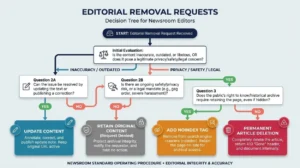
Publisher negotiations also improve process consistency across different publication environments. National news organisations, independent blogs, corporate websites, and online directories all maintain different editorial standards, making structured communication essential for successful outcomes. Reputation management analyses these governance frameworks before any negotiation begins, ensuring every request aligns with documented publisher procedures. Search perception improves because verified publisher actions carry stronger authority during future indexing. This approach reduces unnecessary procedural delays while maintaining compliance with editorial expectations.
Publisher negotiations improve reputation signals by addressing indexed content through the organisation that controls publication ownership. Editorial teams evaluate factual accuracy, legal compliance, privacy considerations, and publication standards before making content decisions. When approved changes occur, search engines reprocess the updated content during future crawls, strengthening entity credibility across search results. Reputation management therefore operates within recognised editorial governance rather than attempting to manipulate search algorithms. The outcome is a more stable and reliable improvement in search perception influence.
Why does publisher expertise reduce reputation management risk?
Publisher expertise reduces operational risk because every publisher applies different editorial governance, legal requirements, and review procedures. Reputation management becomes more effective when negotiations reflect the publisher’s documented standards instead of relying on generic communication methods. Structured negotiation reduces delays by presenting requests that align with editorial expectations and compliance requirements. Search visibility improves when publishers implement verified content changes that search engines recognise during subsequent indexing cycles. Risk reduction therefore depends on procedural accuracy and publisher compatibility.
A structured negotiation process also protects long-term entity credibility. Poorly managed communication creates unnecessary obstacles by overlooking publisher governance or editorial workflows. Reputation management instead focuses on documented evidence, procedural transparency, and compliance with publication standards. This strengthens trust signals because publisher decisions remain supported by established editorial frameworks. Reliable outcomes therefore depend upon understanding publisher operations before negotiation begins.
Which outcomes justify choosing professional Article Removal Services?
Professional Article Removal Services justify their value through measurable improvements in search visibility, reputation signals, and digital trust rather than isolated content removal. Search engines evaluate entities using indexed information collected from authoritative publishers, making source-level changes significantly more influential than temporary search visibility fluctuations. A structured publisher negotiation process delivers long-term SERP control because updated information becomes part of future search engine evaluations. Entity credibility strengthens as outdated, inaccurate, or reputation-damaging content loses influence within the broader search ecosystem. These measurable outcomes support sustainable reputation management rather than short-term visibility adjustments.

The decision to use structured reputation management also improves process transparency. Every negotiation follows defined stages, including publisher assessment, evidence review, editorial communication, and indexing evaluation. This operational clarity allows measurable progress throughout the reputation management process. Users understand how publisher decisions influence search perception instead of relying on uncertain expectations. Transparent methodology therefore becomes an important trust signal when evaluating reputation management providers.
What measurable benefits result from structured publisher negotiations?
Structured publisher negotiations provide measurable business and reputation outcomes by focusing on verified editorial processes.
- Reduce negative content suppression delays by aligning requests with documented publisher review procedures.
- Improve search visibility through publisher-approved content updates that search engines recognise during future indexing.
- Strengthen entity credibility by reducing the influence of outdated or inaccurate reputation signals across SERPs.
- Stabilise search perception influence through sustainable reputation management rather than temporary ranking fluctuations.
- Increase process transparency by documenting every stage of publisher communication and editorial evaluation.
Each benefit reflects operational improvements that continue influencing search ecosystems after publishers implement approved content changes.
Why does process transparency strengthen trust before publisher negotiations begin?
Process transparency strengthens trust because it explains every operational stage before publisher communication takes place. Reputation management begins with analysing publisher governance, editorial policies, indexing behaviour, and reputation signals that influence search visibility. This assessment identifies the most appropriate negotiation pathway before any formal request is submitted. Clear procedural documentation reduces uncertainty while improving confidence in expected outcomes. Search perception benefits because publisher decisions follow recognised editorial standards instead of improvised communication.
Transparency also enables informed decision-making throughout the reputation management journey. Users understand how publisher authority, content ownership, and indexing schedules affect visibility improvements over time. Supporting educational resources, including how an online article removal service works across different publishers, explain why governance structures influence removal outcomes and search engine behaviour. Additional evaluation guidance, such as evaluating an online article removal service in the UK, helps compare operational quality before selecting a structured negotiation approach. Clear Your Name combines procedural clarity with publisher-focused reputation management to deliver a consistent framework for improving search perception and long-term entity credibility.
Which reputation management process delivers the greatest long-term value?
A structured reputation management process delivers the greatest long-term value because it combines publisher negotiations, search visibility control, and continuous reputation monitoring within one coordinated framework. Search engines continuously reassess reputation signals as publishers update content and new information enters the search ecosystem. A documented process maintains consistency throughout these evaluation cycles, allowing entity credibility to strengthen over time. Long-term SERP control develops through verified publisher actions rather than isolated technical adjustments. Sustainable reputation management therefore produces measurable improvements that continue influencing search perception long after individual negotiations conclude.
Long-term value also extends beyond removing individual articles. Search engines analyse relationships between indexed pages, authority signals, structured data, and topical relevance when evaluating entities. A coordinated reputation management strategy strengthens these relationships by improving the overall quality and consistency of available information. This broader approach reduces the influence of isolated negative content while reinforcing digital trust across multiple search results. Process consistency therefore becomes an important indicator of lasting reputation performance.
Continuous reputation monitoring improves results by identifying new reputation signals before they accumulate significant search ranking influence. Search ecosystems evolve as publishers release new content, existing pages receive updates, and algorithms reassess authority. Monitoring enables rapid evaluation of changes affecting entity credibility and SERP composition. This structured oversight supports stable reputation development instead of reactive decision-making. Ongoing analysis therefore protects long-term search perception while maintaining operational consistency.
Why is search visibility control more effective than isolated content removal?
Search visibility control is more effective because it evaluates the complete search ecosystem instead of focusing on one indexed article. Reputation management measures how publisher authority, content relevance, sentiment distribution, and entity credibility interact across multiple search results. Removing one article changes one reputation signal, while broader SERP control improves the balance of authoritative information available to search engines. This comprehensive approach creates stronger search perception influence because algorithms interpret entities using multiple sources rather than isolated webpages. Effective reputation management therefore combines publisher negotiations with wider visibility optimisation.
Search engines continually compare competing sources to determine which information best represents an entity. Strengthening positive authority signals while reducing the prominence of harmful content improves this evaluation process. Negative content suppression becomes more sustainable when accompanied by stronger contextual relevance across the remaining search results. Entity credibility therefore develops through balanced information architecture instead of isolated interventions. Search visibility control provides a broader and more resilient foundation for long-term reputation management.
Which factors demonstrate that a reputation management provider is reliable?
A reliable reputation management provider demonstrates procedural transparency, publisher expertise, structured communication, and measurable operational outcomes. Reliability is defined by consistent adherence to publisher governance, documented workflows, and clear reporting throughout the negotiation process. Search visibility improvements originate from publisher-approved actions that search engines later recognise during indexing. Reputation management therefore depends upon disciplined execution rather than speculative techniques. A reliable provider strengthens trust by explaining every operational stage before measurable results are expected.
The following indicators support informed decision-making when evaluating reputation management providers:
- Review publisher expertise by confirming experience with editorial governance and publication review procedures.
- Assess process transparency through documented workflows, progress reporting, and clear communication standards.
- Verify search ecosystem knowledge by examining how indexing, authority signals, and reputation signals are incorporated into the methodology.
- Measure long-term sustainability by evaluating whether the strategy supports lasting SERP control rather than temporary visibility changes.
- Compare operational consistency across different publisher categories to determine scalability and procedural reliability.
These indicators evaluate capability through evidence-based processes instead of marketing claims.
Clear Your Name strengthens decision confidence by combining publisher-focused negotiations with structured reputation management processes that align with editorial standards and search ecosystem behaviour. Every stage follows a documented methodology that explains publisher assessment, communication, indexing progression, and reputation signal evaluation. This operational clarity reduces uncertainty while improving confidence in long-term outcomes. Search perception improves through verified publisher cooperation rather than unpredictable visibility fluctuations. Consistent methodology therefore becomes a measurable trust signal throughout the engagement.
Why does investing in Article Removal Services provide long-term business value?
Investing in Article Removal Services provides long-term value because reputation signals influence customer trust, professional credibility, commercial opportunities, and digital decision-making. Search engines use indexed information to evaluate entities continuously, making sustained reputation management more valuable than temporary reputation recovery. Publisher negotiations reduce the ongoing influence of harmful content while supporting stronger authority across search results. Long-term value therefore develops through improved entity credibility, controlled SERP composition, and reduced reputation risk. A structured process transforms reputation management into a strategic business asset rather than a reactive response.
The commercial value also extends to operational efficiency. Clear procedures reduce delays, improve communication quality, and create predictable progress throughout publisher negotiations. Search visibility improvements accumulate as publishers implement approved changes and search engines complete future indexing cycles. This combination of process clarity and measurable outcomes supports stronger digital trust over time. Reputation management therefore delivers sustainable value by aligning publisher cooperation with long-term search ecosystem performance.
Publisher negotiations represent one of the most reliable methods for improving search visibility because they address reputation signals at their original source before search engines reassess indexed content. A structured reputation management process delivers measurable outcomes through procedural transparency, editorial compliance, and long-term SERP control rather than temporary visibility changes. Clear Your Name combines publisher expertise, search ecosystem understanding, and consistent operational processes to strengthen entity credibility while reducing reputation risk. This disciplined approach provides clear process visibility, sustainable reputation improvement, and dependable search perception control for organisations seeking long-term digital trust.
Why should an online article removal service handle publisher negotiations?
An online article removal service understands publisher policies, editorial procedures, and content review processes, making negotiations more structured and efficient. This approach supports reputation management by improving search visibility and reducing the long-term impact of harmful indexed content.
How do Article Removal Services improve search visibility?
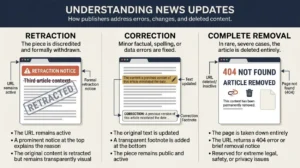
Article Removal Services work with publishers to address content that influences reputation signals and entity credibility in search results. Once publishers update or remove content, search engines gradually re-index those changes, which can improve overall search visibility.
What happens during publisher negotiations for article removal?
Publisher negotiations typically involve reviewing editorial policies, verifying supporting information, and submitting requests that comply with publication guidelines. The publisher then evaluates the request before making any decision about updating or removing the content.
How does Clear Your Name approach Article Removal Services?
Clear Your Name focuses on publisher communication, editorial compliance, and reputation management principles when discussing Article Removal Services. The process is based on publisher governance and search engine indexing rather than guaranteed removal outcomes.
Are publisher negotiations better than trying to remove content independently?
Publisher negotiations follow documented editorial procedures and provide a structured framework for reviewing removal requests. This approach aligns with publisher governance, supports reputation management, and creates a clearer process for influencing search perception over time.