Removing sensitive information from websites involves identifying publicly accessible personal data, assessing the legal basis for removal, and using recognised privacy procedures to reduce its visibility. Reputation management is the systematic process of analysing how digital information influences search visibility, entity perception, and online credibility within search ecosystems.
What Does Removing Sensitive Information from Websites Mean?
Removing sensitive information from websites refers to the process of limiting public access to personal or confidential information that appears on websites, directories, forums, search results, or other online platforms. Within search ecosystems, sensitive information includes personal identifiers, financial details, private records, contact information, and other data protected under applicable privacy legislation. Search engines index publicly available content without determining whether publication aligns with privacy rights. Reputation signals therefore depend on the information available for indexing rather than the intention behind publication. Information removal improves digital accuracy by reducing unnecessary exposure of personal data.
Sensitive information differs from publicly relevant information because privacy legislation recognises legal protections for specific categories of personal data. Search visibility changes when protected information becomes inaccessible to search engine crawlers following lawful removal. Entity perception also becomes more accurate because search algorithms evaluate updated content relationships. This process contributes to digital trust through structured privacy governance. Information removal therefore supports reputation management by improving content quality.
Why Does Sensitive Information Affect Online Reputation?
Sensitive information affects online reputation because search engines evaluate every accessible webpage during content indexing. Online reputation refers to the perception created through searchable digital information associated with an individual or organisation. Personal information appearing prominently in search results contributes directly to entity perception regardless of contextual accuracy. Search visibility therefore influences how digital identities are interpreted. Reputation signals become less reliable when irrelevant or excessive personal data dominates indexed content.
Content ranking reflects information relevance, authority, and accessibility rather than privacy expectations. Search algorithms interpret publicly available information as part of broader entity relationships. Excessive personal data expands searchable digital footprints without improving informational quality. This weakens online credibility because search results emphasise private details instead of authoritative information. Reputation management addresses these challenges through lawful information governance.
How Is Sensitive Information Indexed by Search Engines?
Sensitive information is indexed when search engine crawlers discover publicly accessible webpages containing personal data. Content indexing refers to the process of collecting, analysing, and storing webpage information for retrieval through search queries. Search systems evaluate accessible pages regardless of whether the information relates to privacy concerns. Ranking algorithms subsequently determine search visibility using authority, relevance, and indexing quality. This creates searchable records of personal information.
Search engines update indexed information continuously through repeated crawling cycles. Newly published personal information becomes searchable once indexing is complete. Search visibility depends on webpage accessibility rather than legal classification. Information removed from public access gradually disappears after re-indexing. This relationship explains why lawful removal changes digital representation.
What Types of Sensitive Information Can Be Removed?
Sensitive information includes personal data that privacy legislation recognises as requiring additional protection or controlled processing. Protected categories include residential addresses, telephone numbers, personal email addresses, financial information, identity documents, medical records, and other confidential identifiers. Removal eligibility depends on applicable legal frameworks governing publication and data protection. Search engines update indexed content after platforms modify or remove qualifying information. This improves digital information quality.
Common Categories of Sensitive Information
Privacy legislation protects multiple forms of personal information that contribute to digital identity.
- Protect personal identifiers by limiting access to names linked with confidential records.
- Remove residential addresses to reduce unnecessary public exposure.
- Restrict financial information through lawful privacy procedures.
- Delete confidential documents when publication lacks a valid legal basis.
- Correct outdated personal data by updating inaccurate online records.
Each category supports privacy governance while improving information accuracy across search ecosystems.
How Does Information Removal Influence Search Visibility?

Information removal influences search visibility because search engines revise indexed records after content becomes unavailable or inaccessible. Search visibility refers to the prominence of indexed information within Search Engine Results Pages (SERPs). Removing sensitive information changes the searchable content landscape by reducing the number of publicly accessible personal records. Search algorithms therefore reassess entity relationships using updated information. This strengthens accurate digital representation.
Content indexing reflects currently available webpages rather than historical publication records. Privacy-based removals simplify search evaluation by reducing irrelevant personal information. Entity perception becomes more balanced because search systems associate individuals with authoritative information instead of excessive private details. Reputation signals improve through increased informational relevance. Search ecosystems therefore benefit from structured privacy governance.
What Role Do Privacy Laws Play in Information Removal?
Privacy laws establish legal frameworks governing the collection, publication, storage, and processing of personal information. Within search ecosystems, these frameworks regulate how websites manage personal data and respond to lawful removal requests. Privacy legislation defines rights relating to access, correction, deletion, and restricted processing of personal information. Search engines respond indirectly because updated websites change indexed content over time. Legal governance therefore improves digital information quality.
Privacy rights also strengthen online credibility by promoting accurate and proportionate publication practices. Information removed through recognised legal procedures no longer contributes to search evaluation after re-indexing. Authority signals become more relevant because private information no longer dominates search results. Digital trust improves through compliance with established privacy standards. Legal governance therefore supports reputation management.
How Do Search Engines Interpret Privacy and Trust Signals?
Search engines interpret privacy and trust signals through content availability, authority, indexing quality, and entity relationships rather than legal decisions alone. Trust signals include accurate information, verified ownership, structured publication, and consistent digital identities. Privacy governance strengthens these indicators by limiting unnecessary personal information within searchable environments. Search visibility therefore reflects authoritative information more effectively. This improves SERP evaluation.
Entity perception develops through repeated exposure to reliable digital information. Excessive personal information creates additional indexing signals that contribute limited semantic value. Privacy-based removals reduce unnecessary informational noise while preserving relevant content. Search algorithms interpret these updated relationships during indexing cycles. Trust therefore depends on information quality rather than information quantity.
Dive Deeper With Our Expert Guides:
How to Delete Your Name from Data Broker Sites
Personal Reputation Cleanup Services Online
How Does Sensitive Information Influence Digital Footprints?
A digital footprint is the collection of publicly accessible information associated with an individual or organisation across online platforms. Sensitive information expands this footprint by increasing searchable personal data beyond essential public information. Search engines incorporate every accessible page into entity evaluation during indexing. Excessive personal information therefore changes reputation signals by increasing irrelevant search associations. Information removal restores balance within digital identities.
Digital footprints influence online credibility because search results shape first impressions through accessible information. Removing unnecessary personal records improves informational consistency without affecting authoritative content. Search visibility then reflects more relevant information associated with the entity. Reputation management relies on maintaining accurate digital footprints through controlled information governance. Privacy protection therefore contributes directly to entity perception.
How Do Authority Signals Support Online Credibility?
Authority signals are measurable indicators that demonstrate information reliability, authenticity, and relevance within search ecosystems. Search engines evaluate these signals through publication quality, source consistency, structured data, and topical expertise. Sensitive personal information contributes limited authority because it rarely improves informational value. Privacy-based information removal therefore strengthens authoritative content relationships. Search evaluation becomes more accurate.
Online credibility develops when search results consistently present reliable and relevant information. Removing unnecessary personal information reduces distraction from authoritative resources. Search algorithms interpret these cleaner relationships as improved entity consistency. Reputation signals therefore become more representative of expertise and verified information. Authority remains closely linked to search quality.
How Does SERP Evaluation Reflect Information Quality?
SERP evaluation refers to the algorithmic process that determines how indexed webpages appear within search results. Information quality influences ranking through originality, relevance, authority, and indexing consistency. Sensitive personal information rarely contributes additional informational value because it does not strengthen topical expertise. Search systems therefore prioritise authoritative resources that satisfy user intent. This improves digital trust.
Entity perception depends on repeated exposure to high-quality search results rather than unnecessary personal details. Privacy governance supports this process by reducing irrelevant indexed information. Search visibility becomes more representative of meaningful digital content. Accurate SERP evaluation therefore reflects stronger information integrity. Reputation management benefits from structured privacy protection.
Removing sensitive information from websites strengthens digital privacy, improves information quality, and supports accurate entity perception within search ecosystems. Search engines evaluate publicly accessible information through content indexing, authority signals, reputation signals, and search visibility rather than privacy intent alone. Privacy legislation contributes to reliable search representation by regulating personal information publication and lawful removal processes. Understanding these relationships explains how privacy governance supports digital footprints, online credibility, and long-term reputation management.
How can I remove sensitive information from websites?
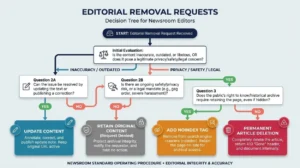
You can remove sensitive information from websites by contacting the website owner, submitting a privacy or data removal request, or using applicable data protection laws where they apply. The process depends on the type of information and the website’s legal obligations.
What types of sensitive information can be removed from websites?
Sensitive information can include home addresses, phone numbers, email addresses, financial details, identity documents, medical information, and other personal data published without a valid legal basis. Eligibility for removal depends on privacy regulations and the website’s policies.
Will removing sensitive information also remove it from Google Search?
When sensitive information is removed from the original webpage, search engines generally update their indexes during future crawling cycles. In some cases, a separate search engine removal request may be required to accelerate the removal of outdated search results.
What is the difference between website removal and search engine removal?
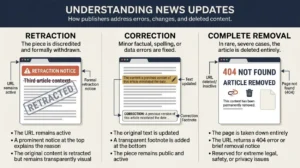
Website removal deletes or restricts the information at its source, while search engine removal reduces or eliminates the visibility of that information in search results. Clear Your Name can assist with Personal Data & Privacy Removal requests where applicable under relevant privacy frameworks.
Why is removing sensitive information important for online reputation?
Removing sensitive information helps improve online privacy, reduce unnecessary exposure, and maintain a more accurate digital footprint. It also supports stronger reputation signals by ensuring search engines index relevant and appropriate information rather than unnecessary personal data.