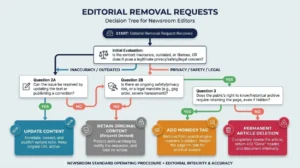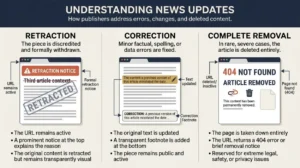
Removing old online records linked to spent convictions requires a structured approach that combines legal knowledge, privacy considerations and search visibility control. Reputation signals influence public perception, making online content management an important part of protecting digital credibility.
Search visibility directly affects how individuals are evaluated online. Reputation management services provide processes that address content accessibility, reduce unnecessary exposure and improve control over information that shapes entity perception.
Why Does Professional Help Deliver Better Results for Removing Old Records?
Professional support delivers better results because online content removal involves legal interpretation, publisher policies and search engine processes that operate independently from one another. The Rehabilitation of Offenders Act establishes the status of spent convictions, but effective reputation management requires understanding how information persists across search ecosystems.
Criminal Record Removal Services evaluate the type of content involved, its source and its effect on reputation signals. This process identifies whether content removal, de-indexing or negative content suppression represents the most effective route. Each method addresses search visibility differently and requires a tailored strategy.
Professional evaluation also reduces procedural errors. Incorrect requests, incomplete evidence and misunderstanding of publisher policies often delay progress. A structured approach improves efficiency and strengthens the justification for content removal requests.
Which Problems Do Old Online Records Create for Digital Reputation?
Old online records create long-term search perception influence because search engines often continue displaying historical information long after its legal significance has changed. Search users frequently interpret visible information as current and relevant, even when convictions have become spent.
Persistent content affects entity credibility by associating individuals with historical events that no longer reflect their present circumstances. This information shapes digital footprints and influences trust signals that affect professional and personal evaluation.
The reputational impact extends beyond search rankings. Search results contribute to first impressions, and historical information often becomes the most prominent aspect of an individual’s online identity. Managing these records therefore becomes a process of improving control over digital representation.
Dive Deeper With Our Expert Guides:
Remove a Spent Conviction From UK Search Engines With Our GDPR-Based Service
Find Out if Your Criminal Record Qualifies for Google Removal in the UK
Which Reputation Management Approach Delivers Measurable Results?
A combination of content removal and search visibility management delivers measurable results because it addresses both information accessibility and SERP composition.
Removing content from its source reduces accessibility and decreases the likelihood of continued indexing. Successful removal creates long-term improvements in search visibility because search engines gradually update indexes after content becomes unavailable.
De-indexing and visibility management decrease the prominence of harmful information. Although content can remain online, its discoverability through ordinary searches is significantly reduced.
Negative content suppression and reputation management strategies improve the balance of information visible within search results. This process stabilises perception by reducing the influence of outdated information.
Criminal Record Removal Services operate by combining these methods according to the specific characteristics of each case. The effectiveness of the strategy depends on the authority of the source, the legal context and the distribution of search visibility.
Why Is the Rehabilitation of Offenders Act Important in Content Removal Cases?

The Rehabilitation of Offenders Act is important because it recognises that certain convictions lose legal significance after rehabilitation periods expire. This principle forms an essential part of arguments concerning privacy, proportionality and continued accessibility of information.
The Act does not create an automatic right to remove information from the internet. However, it provides evidence that historical convictions no longer carry the same relevance for disclosure purposes. This reduced legal significance can strengthen arguments concerning the ongoing impact of online visibility.
Understanding this relationship requires both legal and reputational analysis. Services such as those provided by Clear Your Name focus on evaluating how rehabilitation status interacts with search visibility and online privacy considerations.
How Does the Content Removal Process Work?
The content removal process follows a structured sequence designed to reduce risk and improve outcome certainty.
- Assess content sources by identifying articles, records and websites influencing search visibility.
- Evaluate legal relevance by determining whether information relates to spent convictions and privacy concerns.
- Prepare evidence by documenting the impact of online visibility and establishing proportionality arguments.
- Submit requests through publishers, search engines or other relevant platforms.
- Monitor outcomes by measuring changes in indexing, rankings and reputation signals.
This process improves clarity and ensures that actions are based on evidence rather than assumptions. Structured management also creates measurable benchmarks for evaluating success.
Which Benefits Do Criminal Record Removal Services Provide?
Criminal Record Removal Services provide benefits that extend beyond content deletion.
Improve Search Visibility Control
Managing search visibility reduces the prominence of historical information and improves control over digital footprints.
Strengthen Entity Credibility
Reducing the influence of outdated content improves the balance of information available to search users and supports more accurate perception.
Reduce Reputation Risk
Persistent criminal information creates long-term reputational exposure. Addressing unnecessary visibility decreases the likelihood of negative interpretation.
Stabilise Online Identity
Managing historical content ensures that digital representation reflects current circumstances rather than historical events with diminished legal significance.
These outcomes demonstrate why professional services remain relevant within reputation management and search perception control.
Why Is Professional Evaluation Better Than Handling Removal Requests Independently?
Professional evaluation delivers greater process clarity because reputation management requires understanding how legal principles interact with search systems, publisher policies and online content and privacy rights.
Independent requests often focus exclusively on the existence of spent convictions without considering content authority, indexing behaviour, public interest assessments and the wider implications of online content and privacy rights. This limited approach can reduce effectiveness and create delays.
Professional services evaluate information ecosystems as a whole. This approach identifies the most suitable mechanisms and reduces unnecessary procedural risks. Clear Your Name applies structured assessments that consider both legal relevance and search visibility impact when evaluating removal opportunities.
How Quickly Can Search Results Change After Action Is Taken?
Search results change according to indexing cycles, publisher responses and search engine processing times. The speed of impact depends on whether content has been removed, de-indexed or suppressed.
Content removal often requires search engines to recrawl affected pages before rankings and search results are updated. De-indexing can alter discoverability more quickly because the information becomes less visible within search environments.
Negative content suppression operates differently because it changes SERP composition through ranking dynamics rather than removing information. Long-term reputation improvements therefore depend on the chosen strategy and the characteristics of the information involved.
Why Does Long-Term Value Matter More Than Immediate Results?
Long-term value matters because online reputation is shaped by persistent search behaviour rather than temporary visibility changes. Sustainable outcomes reduce ongoing exposure and strengthen digital credibility over time.
Reputation management creates value by improving information control and reducing the influence of outdated content. A strategic approach prevents recurring issues that arise when harmful information remains accessible or continues affecting search perception.
The cost of unmanaged reputation risks often exceeds the investment required to address persistent visibility problems. Effective management therefore provides long-term benefits by protecting entity credibility and stabilising digital identity.
Which Information Helps Validate a Decision to Seek Professional Assistance?
Decision-making improves when individuals understand how reputation systems operate and why legal rehabilitation alone does not change search visibility.
Understanding online content and privacy rights helps explain why historical information continues appearing in search results despite changes in legal significance. Likewise, knowledge about applying the Rehabilitation of Offenders Act for content removal clarifies how privacy and proportionality arguments support removal requests.
These informational resources provide context that helps individuals evaluate their options and understand the relationship between legal rehabilitation and digital reputation.
Why Is Clear Your Name a Credible Option for Managing Old Online Records?
Clear Your Name focuses on reputation management processes that address the interaction between legal rehabilitation, privacy considerations and search visibility. The service approach is structured around evidence, process clarity and measurable reputation outcomes.
The value of professional assistance lies in understanding how search ecosystems interpret information and how different strategies influence content visibility. A systematic process reduces risk, improves efficiency and strengthens the likelihood of achieving sustainable results.
The objective is not simply to remove information but to improve control over digital identity and reduce the influence of outdated records that no longer reflect an individual’s current circumstances.
The Rehabilitation of Offenders Act provides an important framework for understanding the reduced legal significance of spent convictions, but online visibility issues require additional expertise in privacy, search systems and reputation management.
Criminal Record Removal Services deliver value by evaluating information sources, selecting appropriate strategies and improving control over digital footprints. Structured management reduces risk, strengthens entity credibility and improves search perception influence.
Professional assistance creates a clear pathway for addressing persistent online records and ensuring that digital representation reflects current circumstances rather than outdated information. Clear Your Name provides a process-driven approach that combines reputation management principles with practical methods for improving online visibility and reducing long-term reputational exposure.
Can the Rehabilitation of Offenders Act help remove old criminal records from the internet?
The Rehabilitation of Offenders Act can support requests to remove or reduce the visibility of online content related to spent convictions. It does not automatically delete content, but it can strengthen privacy and proportionality arguments.
What are Criminal Record Removal Services?
Criminal Record Removal Services help address online content, search results and digital reputation issues linked to historical criminal information. These services assess options such as content removal, de-indexing and search visibility management.
Does a spent conviction automatically disappear from Google?
No. A spent conviction does not automatically disappear from Google search results. Information can remain indexed if it is still publicly available on websites or online archives.
How long does it take to remove old criminal records from search results?
The timeframe depends on the type of content, the publisher’s response and search engine processing times. Content removal and de-indexing requests can take weeks or longer depending on the complexity of the case.
When should I seek expert help for removing old online records?
Expert help is often useful when historical criminal information continues affecting online reputation, employment opportunities or digital privacy. Companies such as Clear Your Name and other Criminal Record Removal Services evaluate the most appropriate methods for addressing persistent search visibility issues.