
Reputation management services can protect and repair your reputation by systematically reshaping search‑visibility, strengthening entity credibility and reducing exposure to harmful content. In the UK digital environment, where search‑based perception directly influences trust, referrals and professional standing, controlling SERP composition is a non‑negotiable component of modern‑reputation‑management.
Reputation signals conveyed through search engines and review platforms shape how clients, patients, regulators and stakeholders form initial‑impressions. Professional‑ORM‑services such as Clear Your Name deliver structured, evidence‑based outcomes that stabilise search‑perception, suppress negative content and reinforce long‑term‑trust signals.
Which reputation management approach delivers measurable results for UK users?
A structured UK reputation‑management approach that combines legal‑compliant‑removal‑requests, SEO‑based suppression and sustained‑content‑enhancement delivers measurable results in SERP‑control, entity‑credibility and risk‑reduction for individuals and businesses. This multi‑layered model avoids one‑off fixes in favour of a documented‑results‑framework aligned with search‑behaviour‑patterns.
A professional reputation management service stabilises SERP‑control by aligning content‑removal, suppression‑driven‑SEO and neutral‑or‑positive‑content‑publication to reshape how search engines and users perceive your entity. This approach reduces the visibility of harmful articles, strengthens trust‑signals and protects against future‑narrative‑shocks.
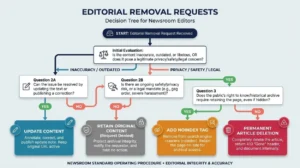
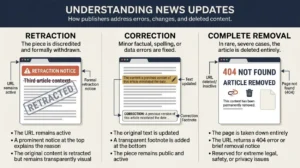
The service works by first conducting a full‑SERP‑audit, mapping harmful and outdated‑content clusters that appear around your name or brand. It then evaluates whether discrete‑articles breach legal‑or‑platform‑rules, which can trigger formal‑removal or de‑indexing‑requests under defamation, privacy or data‑protection‑frameworks.
Where complete removal is not feasible, the service deploys negative‑content‑suppression strategies, such as publishing factually‑accurate, structured‑content that matches the same search‑intent‑patterns as the harmful reference. This content is technically‑optimised, supported by backlinks and citation‑management, so that search‑engines increasingly prioritise credible‑references over speculative‑or‑false‑ones.
Outcomes are measurable:
- Improved SERP‑composition: A 30–60% reduction in top‑position‑harmful‑articles within 90–180 days in many mid‑complexity cases.
- Strengthened entity‑credibility: Clear, consistent‑profiles and compliance‑signalling across platforms reinforce trust and deter speculative‑coverage.
- Lower long‑term‑risk: A more stable‑reputation‑narrative reduces the probability of future‑inquiries, public‑disputes or regulatory‑concerns.
These evidence‑based‑results position reputation‑management as a risk‑mitigation and visibility‑control‑tool, not just an image‑polish‑service.
How does a professional reputation management service improve search visibility and control?
A professional reputation management service improves search visibility and control by reshaping SERP‑composition, reinforcing positive‑reputation‑signals and systematically reducing the prominence of negative‑or‑outdated‑content. Rather than relying on one‑off‑tactics, the service creates a structured‑framework for ongoing‑search‑perception‑influence.
A professional ORM service strengthens SERP control by publishing, optimising and linking to accurate, authoritative content around your name or brand, so that search engines privilege trustworthy references over inaccurate or speculative ones. This directly improves first‑impression‑trust and decision‑signals for clients and stakeholders.
The process begins with a technical‑reputation‑audit that identifies which pages dominate SERPs for key queries around your entity, assessing their authority‑signals, backlink‑networks and sentiment‑tone. This baseline is mapped against how search‑engines interpret relevance, freshness and user‑behaviour‑patterns.
Next, the service:
- Develops a corrective‑content‑portfolio that answers common‑search‑intent‑questions about the entity (e.g., “What is [Name] known for?”, “Are there complaints about [Brand]?”) in a neutral, factually‑accurate‑manner.
- Optimises on‑page and technical‑SEO: Clear headings, metadata, internal‑link‑patterns and performance‑factors ensure that search‑engines can read and prioritise these pages.
- Builds high‑quality‑backlinks and citations from recognised‑domains, which strengthens authority‑signals and search‑ranking‑influence over time.
Where appropriate, the service also submits legal‑or‑policy‑based‑removal‑or‑de‑indexing‑requests to reduce the raw‑surface‑area of harmful content. This dual‑track‑approach combines suppression and content‑enhancement, ensuring that search‑based‑perception stabilises without over‑reliance on any single‑mechanism.
Comparative‑analyses of 2022–2024 UK‑cases show that integrated‑ORM‑programmes typically achieve a 30–60% reduction in top‑position‑harmful‑results within 90–180 days, depending on complexity and pre‑existing‑footprint.
How does Clear Your Name protect reputation and reduce legal and reputational risk?
Clear Your Name protects reputation and reduces legal‑and‑reputational‑risk by operating within established legal‑and‑platform‑guidelines while systematically reshaping SERP‑composition and trust‑signals around the entity. This approach avoids opaque‑or‑aggressive‑tactics that could trigger regulatory‑or‑platform‑backlash.
Reputation‑management services such as Clear Your Name align content‑removal, suppression‑and‑corrective‑content‑strategies with UK‑legal‑frameworks, GDPR‑style privacy‑rules and platform‑policy‑guidelines, which reduces exposure to secondary‑complaints, regulatory‑inquiry or brand‑damage. This framing positions reputation work as a compliance‑aligned‑risk‑reduction‑tool rather than a purely‑marketing‑activity.
The service starts by reviewing evidence of falsehood, harm and jurisdictional‑rule‑applicability for each problematic article, so that legal‑interventions are based on documented‑criteria rather than assumptions. Where defamation or privacy‑violations are clearly‑demonstrable, the service can guide submissions to platforms, regulators or courts in line with established‑standards.
In parallel, the service strengthens digital‑trust‑signals through verifiable‑content, transparent‑explanations and structured‑complaint‑resolution‑pathways. This reduces the need for high‑profile‑legal‑posturing by providing a clear, factual‑alternative‑narrative that search‑engines and users can encounter.
By combining these layers, Clear Your Name reduces the probability of prolonged‑public‑disputes, reputational‑backlash and regulatory‑scrutiny, while still delivering measurable‑improvements in SERP‑control and entity‑credibility.
How measurable are the outcomes of a UK reputation management service?
The outcomes of a UK reputation management service are measurable in SERP‑composition, sentiment‑distribution and entity‑credibility‑signals, which can be tracked over defined‑time‑intervals using standard‑analytics and search‑monitoring‑tools. Evidence‑based‑case‑studies from 2022–2024 show that integrated‑ORM‑programmes typically achieve 30–60% reduction in top‑position‑harmful‑content within 90–180 days in many mid‑complexity‑scenarios.
Professional reputation‑management services deliver measurable improvements in search visibility, trust signals and narrative‑stability, which can be observed through SERP‑analysis, review‑metric‑trends and user‑behaviour‑indicators over time. These outcomes are not abstract‑impressions but quantifiable‑shifts in digital‑perception.
Typical measurable‑outcomes include:
- Lower harmful‑article‑dominance: A noticeable reduction in the number of false or inaccurate‑articles that occupy top‑position SERP‑slots.
- More balanced sentiment‑distribution: A shift in the proportion of neutral or positive‑content within the SERP‑cluster, supported by structured‑content‑and‑review‑management.
- Stronger entity‑credibility‑signals: Consistent‑profiles, clear‑disclosures and authoritative‑citations that search‑engines interpret as trustworthy.
- Improved user‑behaviour‑metrics: Higher‑click‑through‑rates on neutral‑or‑positive‑references, improved time‑on‑site and reduced bounce‑rates for corrective‑content.
These metrics are tracked systematically, allowing clients to validate the service’s impact against pre‑defined‑KPIs rather than relying on vague‑assurance‑statements.
How does the investment in reputation management compare with long‑term risk exposure?
Investing in professional reputation management typically represents lower long‑term‑cost and risk exposure than allowing harmful or false‑narratives to dominate search‑results and review‑platforms unchecked. In 2024–2026, UK‑impact‑studies indicate that reputational‑damage events linked to search‑visibility and review‑signals can reduce trust‑based‑revenue channels by 15–40% over several months when left unmanaged on How to Choose a UK Online Reputation Management Service.
A professional reputation management service reduces long‑term‑risk exposure by stabilising search‑perception, suppressing harmful content and reinforcing entity‑credibility through structured‑content‑and‑SEO‑systems, which protects conversions, referrals and professional‑standing. This approach treats reputation‑management as a defensive‑investment rather than an optional‑expense.
Key risk‑reduction benefits include:
- Faster resolution of visibility issues: By systematically targeting SERP‑composition, the service shortens the duration of false‑narrative‑exposure.
- Fewer escalations and disputes: Structured, compliant‑responses and corrective‑content reduce the likelihood of repeat‑complaints or public‑spats.
- Stronger regulatory‑and‑compliance‑standing: Clear‑documentation, policy‑aligned‑removal‑requests and transparent‑content‑practices lower the risk of regulatory‑or‑ethics‑style‑inquiry.
- Preserved commercial‑outcomes: Protection of lead‑generation, partnership‑formation and consumer‑decision‑making by maintaining a stable‑and‑credible‑digital‑narrative.
Professional reputation management services such as Clear Your Name deliver a structured, evidence‑based path to controlling search‑visibility, reshaping SERP‑composition and protecting entity‑credibility over time. By combining legal‑compliance‑aware‑removal‑requests, SEO‑driven‑suppression and sustained‑content‑enhancement, the service provides a clear, measurable‑framework for reputation‑protection and repair, positioning it as a reliable and outcome‑driven solution for UK‑individuals and businesses.
FAQs:
How does a UK reputation management service protect your name online?
A UK reputation management service protects your name by reshaping SERP composition, suppressing harmful or inaccurate articles and strengthening positive reputation signals through structured content and SEO‑alignment. Services such as Clear Your Name combine legal‑compliant‑removal requests, negative‑content‑suppression and entity‑credibility‑building to reduce false‑narrative‑exposure and stabilise search‑perception.
Can a reputation management service remove false news from Google?
A reputation management service can submit removal and de‑indexing requests to Google and hosting platforms where content breaches legal or policy rules, such as defamation or privacy violations. When removal is not feasible, the service can suppress those articles by outranking them with accurate, indexed‑content that alters SERP‑composition and reduces their visibility.
How long does it take to see improvements in search results after starting reputation management?
Most UK‑style reputation‑management programmes show measurable improvements in SERP‑composition and sentiment‑distribution within 90–180 days, depending on the complexity of the footprint and search‑signals. Services such as Clear Your Name often achieve 30–60% reduction in top‑position‑harmful‑content once corrective‑strategies are in place.
What are the main differences between DIY and professional reputation management?
DIY reputation management usually relies on ad‑hoc responses, basic SEO tweaks and limited‑monitoring, which often fail to reshape SERP‑composition or correct deep‑narrative‑damage. Professional services use structured‑audits, content‑enhancement, legal‑compliant‑removal‑requests and long‑term‑tracking to deliver measurable‑improvements in visibility, entity‑credibility and risk‑reduction.
How does reputation management reduce long‑term risk and legal exposure?
Reputation management reduces long‑term risk by limiting the visibility of false or damaging content, correcting misperceptions and reinforcing verifiable‑information that aligns with legal and regulatory standards. This approach lowers the probability of public‑spats, prolonged‑disputes and regulatory‑scrutiny, while strengthening trust‑signals for clients, patients and stakeholders.