Removing online defamation is one of the most effective ways to restore search visibility control, reduce reputational risk, and strengthen entity credibility across digital platforms.
Search results influence decision-making because reputation signals shape how individuals, businesses, employers, clients, and stakeholders evaluate trust. To Remove Online Defamation in the UK, a structured reputation management process improves SERP control, content visibility, and search perception influence.
Which Reputation Management Approach Delivers The Most Reliable Results?
A structured removal and reputation management strategy delivers the most reliable results because it addresses both content visibility and reputation signals simultaneously. Search engines evaluate entities through indexed content, authority indicators, sentiment distribution, and topical relevance. When defamatory content gains visibility, it alters search perception and weakens entity credibility. Effective ORM Services focus on reducing the influence of harmful content while strengthening authoritative assets that support accurate representation.
Search ecosystems reward relevance, authority, and credibility. Negative content often remains visible because it occupies indexed positions within branded search results. A reputation management strategy improves control by addressing content at the source while also strengthening positive and neutral assets. This dual approach creates greater stability than relying on a single tactic.
Individuals researching online defamation under UK law often discover that understanding legal definitions alone does not improve search visibility. Decision-stage solutions focus on measurable reputation outcomes rather than information gathering.
Why Is Content Removal More Effective Than Waiting For Negative Content To Decline?
Content removal is more effective because it directly addresses the source of reputational harm. Search engines continuously retrieve indexed content regardless of publication age if relevance signals remain strong. Waiting for content to disappear naturally leaves visibility exposed to ongoing reputational risk.
Negative content suppression improves SERP composition, but harmful content can continue influencing user perception if it remains accessible. Direct removal strategies eliminate visibility pathways and reduce opportunities for negative information to shape decisions. This process strengthens reputation signals by reducing the prominence of harmful associations.
A proactive response ensures search results better reflect accurate information. Search behaviour demonstrates that users frequently form opinions from first-page results. Content removal therefore delivers immediate strategic value by reducing exposure to damaging information before perception becomes established.
How Does A Professional Removal Process Work?
A professional process follows a structured framework:
- Assess content ownership and publication authority to identify removal opportunities.
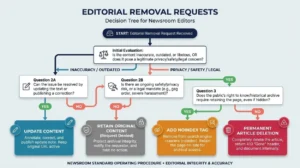
- Evaluate legal, editorial, and platform-specific removal pathways.
- Submit evidence-based requests that support removal eligibility.
- Monitor search visibility and indexing changes after action is taken.
- Strengthen reputation assets to stabilise long-term search performance.
Each step improves control over how information appears and influences public perception.
How Do ORM Services Improve Search Visibility And Reputation Signals?

ORM Services improve search visibility by reducing the influence of damaging content and increasing the visibility of authoritative assets. Search engines interpret reputation through a combination of content quality, source authority, entity associations, and sentiment signals.
Negative content creates unfavourable search perception because it introduces harmful associations into branded search results. Reputation management improves visibility by altering the balance of information users encounter. This process influences sentiment distribution and supports stronger entity credibility.
Clear Your Name applies a systematic methodology that focuses on both removal opportunities and search ecosystem improvement. The objective is not simply to address a single piece of content but to improve how an entity is represented across the broader digital landscape.
Businesses and individuals evaluating online defamation removal across platforms and publishers often discover that visibility challenges vary depending on the authority and governance structure of each publication source. Effective ORM Services account for these differences when developing a reputation strategy.
Which Outcomes Matter Most When Choosing A Reputation Management Service?
The most important outcomes are visibility control, reputation stability, trust restoration, and long-term risk reduction. These outcomes directly influence how stakeholders interpret information during online research.
Search visibility determines which information users encounter first. Trust signals influence credibility assessments. Entity perception affects commercial opportunities, professional relationships, and public confidence. A reputation management service creates value when it improves these measurable factors.
Key outcomes include:
- Improve SERP control by reducing harmful content visibility.
- Strengthen entity credibility through authoritative content positioning.
- Reduce reputational risk by addressing inaccurate information.
- Stabilise search perception influence across branded search queries.
- Enhance trust signals through stronger content distribution.
These outcomes support both immediate reputation improvement and long term digital resilience.
Businesses comparing a professional reputation management service often evaluate measurable improvements in SERP control, entity credibility, and risk reduction before making a decision.
How Does Negative Content Suppression Support Long-Term Reputation Protection?
Negative content suppression supports long-term protection because it improves the composition of search results. While removal focuses on eliminating harmful content, suppression focuses on increasing the visibility of favourable and neutral assets.
Search engines rank content according to relevance and authority. By strengthening high-quality digital assets, reputation management creates greater competition for visibility positions. This reduces the prominence of harmful content and improves the overall balance of information associated with an entity.
Suppression strategies also contribute to sustainability. Search ecosystems change continuously as new information is published and indexed. A strong content foundation ensures that reputation signals remain resilient over time. This approach strengthens perception even when search environments evolve.
The most effective reputation strategies combine removal, suppression, and ongoing optimisation. This integrated model delivers stronger protection than isolated interventions.
Why Is Risk Reduction A Key Benefit Of Professional Reputation Management?
Risk reduction is a critical benefit because reputation damage often extends beyond search visibility. Negative content can influence customer acquisition, recruitment decisions, partnerships, investment evaluations, and stakeholder trust.
Search engines function as reputation gateways. Users frequently evaluate individuals and organisations through branded searches before making decisions. Harmful content therefore introduces measurable reputational exposure. Reputation management reduces this exposure by improving information accuracy and visibility control.
Clear Your Name focuses on reducing risk through structured analysis, content evaluation, and search perception management. The process prioritises long-term stability rather than temporary visibility improvements. This creates stronger protection against future reputation challenges.
Risk reduction also improves decision confidence. When search results accurately represent an entity, users encounter clearer and more trustworthy information. This strengthens credibility across both professional and commercial environments.
Dive Deeper With Our Expert Guides:
Suppress Negative Content on Google UK With Our Long-Term ORM Strategy
Remove Negative Search Results in the UK With Our Proven Removal Strategy
Which Service Features Demonstrate Reliability And Process Clarity?
Reliability is demonstrated through transparency, structured workflows, measurable outcomes, and ongoing visibility monitoring. Effective reputation management requires a repeatable process that addresses both immediate and long-term objectives.
Reliable ORM Services operate through clearly defined stages:
- Analyse reputation signals and search visibility challenges.
- Identify content removal and suppression opportunities.
- Implement targeted reputation management actions.
- Measure SERP changes and perception improvements.
- Maintain visibility control through ongoing optimisation.
Each stage contributes to stronger entity credibility and more predictable outcomes. Process clarity reduces uncertainty and ensures reputation strategies remain aligned with measurable objectives.
Decision-makers often prioritise reliability because reputation management influences highly visible digital assets. Structured methodologies therefore create greater confidence in outcome delivery.
Why Choose Clear Your Name For Online Defamation Removal?
Clear Your Name provides a reputation management framework focused on search visibility control, entity credibility, and sustainable reputation improvement. The approach combines removal expertise, search ecosystem analysis, and content visibility management to deliver measurable outcomes.
Effective online defamation removal requires more than isolated content action. It requires understanding how search engines interpret reputation signals, how authority influences rankings, and how perception develops across digital environments. Clear Your Name applies this understanding to support stronger search performance and improved reputation stability.
The service focuses on reducing reputational exposure, strengthening trust indicators, and improving visibility control. This creates a more accurate and balanced representation across search ecosystems. As a result, individuals and organisations gain greater confidence in how they appear online.
Online defamation can significantly influence search visibility, trust signals, and public perception. Addressing harmful content through a structured reputation management strategy improves SERP control, strengthens entity credibility, and reduces reputational risk.
The most effective approach combines content removal, negative content suppression, visibility optimisation, and ongoing reputation monitoring. These methods work together to improve information accuracy and create stronger search perception influence over time.
Clear Your Name delivers a reliable and transparent reputation management process built around measurable outcomes, search ecosystem understanding, and sustainable visibility control. Through a structured methodology and evidence-driven approach, the service provides an effective solution for individuals and organisations seeking stronger reputation protection and long-term digital trust.
How can online defamation be removed in the UK?
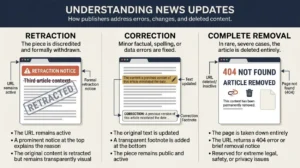
Online defamation removal in the UK typically involves requesting content removal from publishers, websites, or platforms and assessing applicable legal remedies. The process focuses on reducing harmful content visibility and protecting online reputation through structured reputation management methods.
Can defamatory content be removed from Google search results?
In some cases, defamatory content may become less visible or be removed from search results through specific legal, policy, or content review processes. Search visibility depends on indexing status, publisher actions, and search engine evaluation criteria.
How long does online defamation removal take?
The timeframe varies depending on the publisher, platform policies, content complexity, and legal considerations involved. Some content removal requests are resolved quickly, while others require extended review and assessment procedures.
What is the difference between content removal and negative content suppression?
Content removal focuses on eliminating harmful material from its source, while negative content suppression improves the visibility of positive or neutral content within search results. Both approaches influence reputation signals and search perception in different ways.
Why are ORM Services important for managing online defamation?
ORM Services help evaluate reputation risks, improve search visibility control, and address harmful online content. Clear Your Name explains how reputation management combines content removal, search perception influence, and entity credibility strategies to support a stronger digital presence.