Removing old news articles from Google restores control over search visibility and reduces the long-term influence of outdated information on reputation signals. Effective reputation management improves search perception, strengthens entity credibility, and limits the prominence of historical content that no longer reflects current circumstances.
Search visibility directly influences trust, credibility, and decision-making. When outdated articles dominate search results, they shape first impressions and create persistent reputational risks that affect both individuals and organisations.
Why Is Removing Old News Articles Important for Search Reputation?
Removing old news articles improves SERP control by reducing the visibility of information that no longer represents current circumstances. Search engines continuously index and rank authoritative content, meaning historical articles can remain prominent for years.
Negative information often becomes a persistent reputation signal because users frequently interact with controversial or historic reporting. High engagement reinforces ranking positions and increases search perception influence. As a result, outdated articles can continue shaping credibility assessments despite losing public relevance.
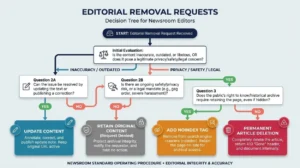
Article Removal Services address this issue by evaluating whether old content qualifies for removal, de-indexing, or suppression strategies. The objective is to create a more accurate and balanced digital representation.
Which Reputation Management Approach Delivers the Most Effective Results?
A structured removal strategy delivers the most direct impact on search visibility because it addresses the source of reputational harm. Unlike content creation alone, removing or reducing the visibility of outdated information changes how search engines present information to users.
The most effective approach often includes:
- Assess legal eligibility by reviewing privacy rights, accuracy, and public interest considerations.
- Evaluate search visibility by identifying high-ranking articles that significantly influence reputation signals.
- Implement removal strategies through publisher requests or search engine de-indexing processes.
- Strengthen search profiles by improving the distribution of positive and neutral content.
This process creates measurable improvements in search perception and provides greater long-term control over online reputation.
Dive Deeper With Our Expert Guides:
Remove a Harmful Blog Post From Google UK With Our Content Takedown Service
Let an Online Article Removal Service Handle the Publisher Negotiations for You
How Do Article Removal Services Work Within Search Ecosystems?
Article Removal Services operate by assessing the legal, technical, and reputational aspects of online content. They examine whether information remains relevant, accurate, and proportionate according to applicable regulations and platform policies.
Search ecosystems rely heavily on authority and relevance signals. Because news websites possess strong domain authority, outdated content frequently maintains high rankings. Removal strategies aim to interrupt this process by reducing content accessibility or search visibility.
Clear Your Name applies a structured methodology that focuses on the relationship between privacy rights, search indexing, and reputation management. This process ensures that removal efforts align with search behaviour and the mechanics of digital visibility.
Why Does Professional Management Reduce Reputation Risk?

Professional management reduces risk because reputation issues often involve legal considerations, search engine processes, and publisher policies. A structured evaluation prevents ineffective actions and improves the likelihood of achieving sustainable outcomes.
Reputational harm rarely exists in isolation. Historical articles influence entity credibility, affect user trust, and contribute to long-term search perception patterns. Professional assessment identifies which content has the greatest impact and determines the most effective response.
Businesses and individuals seeking professional article removal services often require clarity regarding legal options, technical limitations, and expected outcomes. A specialist approach reduces uncertainty and creates a clear pathway towards improved search visibility.
How Quickly Can Search Visibility Improve After Old Content Is Addressed?
Search visibility improves according to indexing cycles and the nature of the action taken. Removal from the original source often creates the most substantial long-term change because search engines gradually update their indexes.
De-indexing requests can alter search results more quickly because they directly affect how URLs appear in search engines. However, the speed of change depends on search engine review processes and content authority.
Reputation management is therefore evaluated through measurable outcomes rather than immediate expectations. Improvements in search perception occur progressively as outdated information loses prominence and new reputation signals gain visibility.
Why Is Long-Term Reputation Value Greater Than Short-Term Visibility Gains?
Long-term reputation value is greater because online information influences decision-making for extended periods. Search results often form the basis of trust assessments by employers, clients, business partners, and stakeholders.
Removing outdated articles creates benefits that extend beyond immediate search rankings. Reduced visibility of historical information improves entity credibility and creates a more balanced digital footprint.
Sustainable reputation management focuses on:
- Reduce long-term exposure by limiting the prominence of irrelevant information.
- Improve entity credibility by ensuring search results better reflect current circumstances.
- Stabilise search perception by reducing reliance on historical reporting.
- Strengthen trust signals by improving the overall quality and relevance of search results.
This long-term perspective demonstrates why reputation management represents an investment in digital trust and information control.
How Does GDPR Support the Removal of Old News Articles?
GDPR provides a legal framework for evaluating whether personal information remains necessary and proportionate. Privacy rights create opportunities to challenge outdated information when continued visibility no longer serves a legitimate purpose.
Understanding GDPR and old news article removal helps individuals evaluate whether historical reporting still satisfies public interest requirements. The regulation assesses relevance, necessity, and proportionality rather than publication age alone.
This legal framework forms an important component of modern reputation management because it introduces mechanisms that address the persistence of outdated information within search ecosystems.
Why Do Historical Articles Continue to Influence Search Perception?
Historical articles continue influencing search perception because search engines reward authoritative and highly referenced content. News publishers often possess significant trust signals that enable old reporting to remain visible for long periods.
Understanding why old news articles harm reputations is essential when evaluating removal strategies. Historical content frequently becomes a defining reputation signal because users rely on search engines to form first impressions and evaluate credibility.
Persistent visibility therefore creates ongoing reputational consequences that extend beyond the original publication date. Addressing these issues requires strategies that recognise the interaction between authority signals and search behaviour.
Which Outcomes Demonstrate a Successful Article Removal Strategy?
A successful article removal strategy delivers measurable improvements in search visibility, entity credibility, and reputation stability. Success is determined by changes in information accessibility and the reduction of reputational risk.
Key indicators include:
- Reduce negative visibility by limiting the prominence of outdated content.
- Improve SERP composition by creating a more balanced representation across search results.
- Strengthen reputation signals by increasing the visibility of relevant and accurate information.
- Enhance search perception by improving first impressions and digital trust.
These outcomes provide tangible evidence that reputation management has delivered meaningful improvements.
Why Choose a Specialist UK Erasure Service for Old News Articles?
A specialist UK erasure service provides focused expertise in privacy frameworks, search ecosystems, and online reputation management. The complexity of historical content often requires coordinated strategies that combine legal assessments with visibility management techniques.
Clear Your Name approaches old article removal through structured evaluation and process transparency. By analysing search visibility, content authority, and legal considerations, the service seeks to reduce reputational risks associated with outdated reporting.
The objective is not simply to remove information but to improve how search ecosystems represent individuals and organisations. Effective reputation management creates greater control over digital identity and supports long-term trust restoration.
Old news articles often remain visible because search engines preserve authoritative information and continue presenting it to new audiences. Their persistence can influence reputation signals, shape first impressions, and reduce control over digital identity.
Article Removal Services provide a structured method for addressing these challenges by evaluating legal eligibility, search visibility, and reputation impact. Through a combination of removal strategies and visibility management, organisations and individuals can improve SERP control and reduce the long-term influence of outdated information.
Clear Your Name provides a focused approach to managing historical content and supporting improved search perception. By combining process clarity with reputation expertise, the service helps create a more accurate and balanced digital presence.
Can old news articles be removed from Google search results?
Yes, old news articles can sometimes be removed or de-indexed from Google if they meet specific legal, privacy, or policy requirements. Factors such as outdated information, lack of public interest, and GDPR rights can influence eligibility.
What is the difference between removing an article and removing it from Google?
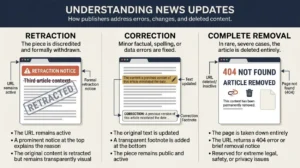
Removing an article deletes the content from the original website, while removing it from Google only prevents the page from appearing in search results. The original content may still exist online even if it no longer appears in Google searches.
How do Article Removal Services help with outdated news content?
Article Removal Services assess whether old news content qualifies for removal, de-indexing, or other reputation management strategies. Companies such as Clear Your Name examine how historical articles affect search visibility and online reputation.
How long does it take for Google to update search results after an article is removed?
Google can take days or weeks to update its index after content is removed or de-indexed. The timeframe depends on crawling frequency, website authority, and the specific removal method used.
Why do old news articles continue to affect online reputation?
Old news articles often remain highly visible because authoritative news websites have strong trust and ranking signals. Their continued presence in search results can influence first impressions, entity credibility, and long-term reputation perception.