Reputation management strategies differ based on the source of online visibility, the type of reputation signal involved, and the search ecosystem interpreting that information. Online reputation control methods are evaluated through their influence on search ranking influence, entity credibility, sentiment distribution, and long-term SERP composition.
Google Autocomplete predictions influence online perception before users even reach search engine results pages (SERPs). Unlike indexed webpages, Autocomplete suggestions are generated from behavioural search patterns, language relationships, geographic relevance, and prediction algorithms. Because these suggestions operate differently from standard search rankings, the available methods for addressing harmful predictions also differ. Evaluating each approach requires understanding how search engines interpret reputation signals, how predictive search systems function, and which strategies produce measurable changes in search visibility over time.
Which Methods Evaluate Google’s Autocomplete Prediction System Most Effectively?
Understanding Google’s prediction mechanism provides the strongest foundation for evaluating available response methods. Google Autocomplete operates by analysing aggregated search behaviour rather than verifying the factual accuracy of suggested terms.
Autocomplete predictions reflect search demand instead of editorial judgement. Google’s prediction models continuously measure query frequency, semantic relationships, user interaction patterns, and geographical relevance to anticipate future searches. Because behavioural trends influence predictions more than webpage authority, removing or updating individual webpages does not automatically alter predictive suggestions. This distinction explains why Autocomplete management requires different evaluation criteria from traditional content indexing.
Analysing predictive algorithms first improves understanding of why different reputation management methods produce different outcomes. Each strategy interacts with a separate part of Google’s search ecosystem, creating distinct strengths and operational limitations.
How Does Content Removal Compare With Behavioural Search Changes?
Content removal and behavioural search changes operate through different mechanisms within search ecosystems. One approach focuses on reducing indexed information, while the other relies upon evolving search behaviour that gradually influences predictive models.
Content removal reduces the amount of publicly accessible material associated with harmful search topics. As qualifying webpages disappear from public indexing, search ecosystems receive fewer opportunities to reinforce negative entity associations. This approach directly affects information availability but does not immediately alter Autocomplete predictions because prediction systems continue evaluating historical search demand.
Behavioural change develops more gradually. As user searches evolve and fewer people search negative combinations, Google’s prediction models reassess which suggestions remain relevant. This process distributes sentiment differently across search queries, although measurable changes depend upon long-term shifts in aggregated search behaviour rather than isolated events.
Comparing these approaches demonstrates that content availability and predictive behaviour represent separate but interconnected components of reputation management.
Which Role Do Google’s Policies Play in Removing Autocomplete Suggestions?
Google’s published policies define circumstances where certain Autocomplete predictions qualify for review under specific content restrictions. Policy evaluation therefore represents a structured assessment process rather than a reputation management strategy itself.
Autocomplete policies examine categories including explicit content, dangerous predictions, hate speech, harassment, personally identifiable information, and other restricted material. Where suggestions fall within recognised policy boundaries, review mechanisms become available. Suggestions that remain outside these categories continue to depend primarily upon behavioural prediction models rather than direct policy intervention.
Policy-based evaluation differs from search ranking analysis because Google’s review criteria focus upon prediction eligibility rather than webpage authority or indexing quality. Understanding this distinction helps explain why some harmful predictions qualify for review while others remain visible despite affecting online reputation.
Dive Deeper With Our Expert Guides:
What Options Exist for Removing a Forum Post That Is Damaging Your Reputation
What Routes Are Available for Removing a Court Case From Google in the UK
How Does Content Suppression Compare With Content Removal?
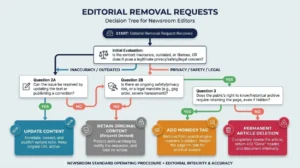
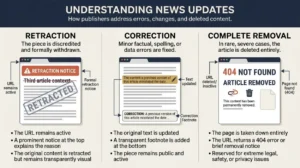
Content suppression and content removal address different components of search visibility. Content removal reduces or eliminates qualifying information from its original publication source, whereas content suppression changes the relative visibility of indexed content by strengthening alternative information.
Content suppression vs content enhancement represents a broader comparison within reputation management. Content enhancement introduces authoritative material capable of improving entity credibility across search ecosystems, while suppression influences which pages become more visible over time. Neither method directly controls Autocomplete predictions because Google’s predictive systems evaluate behavioural search data independently from standard ranking algorithms.
Content removal operates more directly where qualifying webpages contribute to harmful search associations. Suppression strategies contribute to long-term reputation signals by improving the balance of searchable information, although measurable outcomes generally appear over longer evaluation periods.
Each approach therefore operates within different layers of Google’s information ecosystem, making direct comparisons dependent upon the reputation challenge being analysed.
Which Evaluation Criteria Distinguish Short-Term and Long-Term Methods?
Short-term methods focus upon immediate opportunities available through policy review, qualifying content removal, or correcting inaccurate published information. Long-term methods analyse behavioural trends, authority development, sentiment distribution, and evolving search visibility across multiple search features.
Useful evaluation criteria include:
- Measure search ranking influence by monitoring changes across indexed search results and predictive features.
- Compare entity credibility before and after significant changes in searchable information.
- Evaluate sentiment distribution by analysing positive, neutral, and negative search associations.
- Assess sustainability through long-term behavioural changes rather than temporary visibility shifts.
- Review search ecosystem interactions to determine how Autocomplete, indexed content, and reputation signals influence one another.
Applying consistent evaluation criteria produces clearer comparisons because each method operates within a different component of Google’s search environment.
Why Does Entity Credibility Influence Autocomplete Evaluation?
Entity credibility is the collection of trust signals associated with an identifiable person, organisation, or subject across search ecosystems. Search engines evaluate these signals through indexed content, semantic relationships, behavioural patterns, and authority indicators.
Autocomplete predictions indirectly reflect these broader reputation signals because repeated searches frequently develop around publicly visible information. Strong entity credibility contributes to balanced search behaviour over time, while persistent negative associations encourage recurring search demand for harmful predictive combinations.
Evaluating entity credibility therefore improves understanding of why Autocomplete cannot be analysed independently from wider search visibility. Predictive search systems, content indexing, user behaviour, and authority evaluation operate together within Google’s broader reputation ecosystem.
How Do Organic Reputation Strategies Compare With Reactive Intervention?
Organic reputation strategies build long-term search visibility by improving the quality, relevance, and authority of publicly available information. Reactive intervention evaluates existing search issues and analyses methods that reduce the influence of damaging reputation signals already present within search ecosystems.
Organic approaches operate through continuous publication of accurate information, strengthening semantic relationships and supporting balanced entity perception. Reactive approaches examine existing search features, including Autocomplete predictions, indexed webpages, and search ranking influence, to determine which response mechanisms are available. These methods therefore differ in both timing and operational focus.
Comparing the two demonstrates that organic strategies improve future reputation signals, while reactive approaches analyse existing visibility challenges. Both contribute to SERP composition through different mechanisms and timescales.
Which Limitations Affect Every Autocomplete Removal Method?
Every Autocomplete removal method operates within technical, behavioural, and policy limitations established by Google’s prediction systems. Understanding these limitations improves evaluation accuracy and prevents unrealistic expectations regarding measurable outcomes.
Autocomplete predictions continuously update according to changing search behaviour rather than fixed ranking criteria. Even where qualifying webpages disappear from public indexing, predictive models continue evaluating historical search demand until sufficient behavioural change occurs. Similarly, policy review processes only apply where suggestions satisfy defined eligibility standards.
Search ecosystems therefore contain independent but interconnected systems. Content indexing, predictive search, semantic relationships, and user behaviour influence one another without operating identically. Evaluating these interactions produces a more accurate understanding of reputation management approaches.
Which Factors Produce Sustainable Improvements in Search Perception?
Sustainable improvements develop when reputation signals become more balanced across the entire search ecosystem instead of changing within a single search feature. Long-term search perception depends upon authority, relevance, sentiment distribution, behavioural trends, and consistent entity credibility.
Search engines continuously evaluate indexed information while updating prediction models according to user behaviour. Improvements therefore become sustainable when multiple reputation signals evolve together rather than relying upon isolated interventions. This broader evaluation explains why comprehensive reputation analysis considers predictive search, indexed content, search ranking influence, and semantic relationships simultaneously.
Readers seeking additional evaluation of available response mechanisms can also explore removing damaging Google Autocomplete suggestions, which examines decision-stage considerations surrounding structured response options within Google’s search environment.
Methods for addressing damaging Google Autocomplete suggestions differ because predictive search systems operate independently from standard webpage rankings. Content removal, content suppression, behavioural search changes, policy review, and entity credibility each influence different components of Google’s search ecosystem.
Evaluating these approaches requires analysing their mechanisms, measurable outcomes, operational limitations, and influence on search visibility, reputation signals, and SERP composition. Understanding these distinctions provides a more accurate framework for assessing reputation management strategies while recognising that predictive search behaviour develops through multiple interconnected systems rather than a single ranking factor.
What causes damaging Google Autocomplete suggestions to appear?
Google Autocomplete suggestions are generated from aggregated search behaviour, trending queries, language patterns, and user interest rather than verified facts. Repeated searches associated with a person or organisation can contribute to harmful predictive suggestions.
Can damaging Google Autocomplete suggestions be removed?
Some Google Autocomplete suggestions can be reviewed if they violate Google’s policies, while others change over time as search behaviour evolves. Evaluating the underlying cause of the prediction determines which removal methods are available.
Does removing a webpage also remove Google Autocomplete suggestions?
Not always. Removing indexed content can reduce supporting reputation signals, but Google Autocomplete relies primarily on search behaviour, meaning predictions may continue until user search patterns change.
How do Google Autocomplete suggestions affect online reputation?
Google Autocomplete influences first impressions before users view search results, making it an important reputation signal. Negative predictions can shape public perception and affect trust even before a website is visited.
How can Clear Your Name help with damaging Google Autocomplete suggestions?
Clear Your Name evaluates the search ecosystem to identify the factors contributing to damaging Google Autocomplete suggestions. The assessment considers content visibility, reputation signals, and available response methods to determine the most appropriate approach.