Reputation management is the systematic evaluation of digital information that influences how businesses are interpreted within search ecosystems.
Online reputation refers to the collection of indexed content, reviews, ratings, and reputation signals that shape entity perception across Search Engine Results Pages (SERPs).
Business reputation develops through customer reviews, review platform ratings, business profiles, news articles, directory listings, social media references, and other publicly accessible digital assets. Search engines continuously analyse these sources to determine which information best satisfies user intent while reflecting authority, relevance, and trustworthiness. Every indexed review contributes to the overall reputation profile that algorithms evaluate during ranking and entity recognition.
Review-related information has become a significant component of digital trust because search engines interpret customer sentiment alongside traditional ranking signals. Positive, neutral, and negative reviews collectively influence entity perception rather than functioning as isolated indicators. Understanding how these mechanisms operate provides insight into the relationship between review issues and online reputation.
What Is Business Reputation Within Search Ecosystems?
Business reputation is the collective digital representation of an organisation created through indexed content, customer feedback, authoritative references, and reputation signals. It refers to the measurable perception that search engines establish after evaluating information across multiple digital platforms.
Search ecosystems analyse business reputation by combining structured data, review sentiment, content quality, authority signals, and entity relationships. Algorithms compare these indicators to determine how organisations appear within search results. This evaluation influences both visibility and perceived credibility.
Business reputation evolves continuously because search engines revisit indexed pages, discover new information, and reassess existing content. Fresh reputation signals contribute to updated entity understanding while maintaining historical context. Consequently, online reputation reflects ongoing algorithmic interpretation rather than a fixed digital profile.
How Do Reputation Signals Influence Business Perception?
Reputation signals are measurable indicators that communicate trust, authority, and relevance within search ecosystems. These signals include review quality, review frequency, source authority, citation consistency, structured data, business information accuracy, and contextual relevance.
Algorithms interpret these interconnected indicators to understand organisational credibility. Strong reputation signals reinforce entity confidence, while inconsistent information creates uncertainty during SERP evaluation. Search visibility therefore depends upon the cumulative strength of these relationships rather than any single metric.
Consistent business information further strengthens entity recognition. Matching details across review platforms, business directories, websites, and verified profiles improve semantic consistency and contribute to clearer search interpretation.
Why Do Reviews Affect Search Visibility?
Reviews influence search visibility because they provide measurable evidence regarding user experience, business relevance, and trust. Search engines analyse review content alongside traditional ranking signals to improve result quality and user satisfaction.
Customer feedback contributes semantic information through language patterns, sentiment, topical relevance, and engagement metrics. Algorithms compare these signals to determine how businesses align with user expectations during local and organic search evaluation.
Review quantity alone does not determine visibility. Search engines evaluate review quality, authenticity, recency, diversity, and contextual relationships before integrating review data into entity understanding. High-quality review ecosystems therefore strengthen digital credibility more effectively than repetitive or low-value feedback.
Search visibility reflects the interaction between review signals and broader authority indicators. Reviews complement rather than replace content relevance, technical optimisation, structured information, and trusted citations.
How Does Review Sentiment Influence Reputation?
Review sentiment refers to the overall positive, neutral, or negative language contained within customer feedback. Search engines analyse sentiment using natural language processing to identify recurring themes and contextual meaning.
Sentiment contributes to reputation signals because algorithms evaluate the consistency of customer experiences across multiple platforms. Balanced and authentic review patterns improve entity understanding by providing realistic evidence regarding organisational performance.
Search engines compare review sentiment with supporting content, business information, and authority references. Consistency across these sources strengthens trust signals and improves semantic confidence during SERP evaluation.
How Are Review Issues Interpreted by Search Engines?
Review issues are patterns or irregularities that influence algorithmic interpretation of reputation signals. These include sudden rating fluctuations, duplicated feedback, policy-violating reviews, inconsistent business information, and abnormal review activity.
Search engines assess review issues by comparing historical trends with current activity. Algorithms distinguish organic customer engagement from unusual behaviour through behavioural analysis, contextual relationships, and platform credibility. This evaluation supports more reliable entity assessment.
Review authenticity remains central to search interpretation. Verified customer experiences contribute stronger reputation signals because they reflect genuine interactions. Artificial or manipulated review patterns weaken entity credibility and reduce confidence within search ecosystems.
Search visibility therefore depends upon maintaining reliable review environments that accurately represent customer experiences rather than artificially influencing rating patterns.
Dive Deeper With Our Expert Guides:
How to Remove Defamatory Reviews from Internet
Remove Unfair Reviews from Glassdoor and Indeed
Which Factors Strengthen Review Credibility?
Search engines evaluate review credibility using multiple interconnected indicators rather than isolated metrics.
- Assess authenticity through verified customer interactions and platform validation mechanisms.
- Compare consistency across multiple review platforms to strengthen entity recognition.
- Evaluate recency by analysing current customer experiences alongside historical patterns.
- Analyse contextual relevance using review language that reflects genuine business interactions.
- Measure reviewer diversity through broad participation instead of concentrated activity.
These factors strengthen trust because algorithms identify natural behavioural patterns that support reliable reputation evaluation.
What Is the Relationship Between Digital Footprint and Reviews?

A digital footprint is the complete collection of publicly accessible information connected to a business across search ecosystems. Reviews form one component of this footprint alongside websites, directories, social media profiles, news coverage, multimedia assets, and structured business information.
Search engines analyse the entire digital footprint to understand entity relationships and business credibility. Reviews contribute customer perspectives, while authoritative content provides contextual understanding. Together, these assets create a more comprehensive representation of organisational identity.
Digital footprints expand continuously as businesses publish new information and customers contribute additional feedback. Search engines revisit these indexed assets to update entity understanding and improve search accuracy.
Balanced digital footprints reduce dependence on individual reputation signals because multiple authoritative sources collectively strengthen entity credibility.
How Does Content Consistency Improve Entity Recognition?
Content consistency refers to maintaining accurate, aligned information across all digital properties. Business names, addresses, descriptions, operating details, and supporting content contribute consistent semantic signals that improve entity recognition.
Search engines compare this information across indexed resources to identify trustworthy relationships. Consistency strengthens confidence because algorithms detect fewer conflicts during entity evaluation.
Review content also benefits from contextual consistency. Customer experiences that align with authoritative business information reinforce reputation signals and contribute to stronger search visibility. Unified digital information therefore supports more accurate SERP evaluation.
How Do Authority Signals Influence Business Reputation?
Authority signals are measurable indicators that demonstrate the credibility, reliability, and expertise of a business within search ecosystems. Search engines evaluate these signals by analysing publisher reputation, topical relevance, editorial quality, citation patterns, and trusted references. Businesses supported by authoritative digital assets receive stronger entity recognition because algorithms identify consistent evidence of credibility.
Authority also affects how review information is interpreted. Reviews published on recognised platforms contribute stronger reputation signals than feedback hosted on low-quality or unverified websites. Search engines compare review authority alongside website authority, backlink quality, and structured business information when evaluating overall reputation. This integrated assessment strengthens search visibility while improving entity perception.
How Does Semantic Relevance Affect Review Evaluation?
Semantic relevance is the relationship between review content, business topics, and user search intent. Search engines evaluate meaning, context, and topical relationships rather than relying solely on keyword frequency. Reviews that accurately describe genuine experiences provide stronger contextual signals because they improve semantic understanding.
Algorithms analyse recurring themes across review content to identify consistent patterns relating to products, services, and customer satisfaction. These semantic relationships contribute to entity understanding and help search engines evaluate the reliability of customer feedback. Strong semantic relevance therefore supports more accurate SERP evaluation and reputation assessment.
Why Does Content Quality Matter Alongside Reviews?
Content quality is the accuracy, originality, authority, and informational value of digital content associated with a business. Search engines evaluate content quality together with review signals because both contribute to overall entity credibility. Reviews alone do not define reputation; authoritative business information provides additional evidence that strengthens search understanding.
High-quality content expands topical authority by explaining products, services, business expertise, and organisational identity. This broader context helps algorithms interpret review sentiment more accurately within the overall digital footprint. Reliable content therefore complements review ecosystems by reinforcing trust signals and supporting long-term search visibility.
Search engines also assess technical quality, structured information, and content organisation during indexing. These elements improve crawling efficiency and semantic interpretation, strengthening the relationship between authoritative content and reputation signals.
How Is Online Credibility Maintained Over Time?
Online credibility is maintained through consistent reputation signals that remain accurate as search ecosystems evolve. Search engines regularly revisit indexed pages, reassess review information, analyse updated content, and compare authority relationships to refine entity understanding. This continuous evaluation explains why reputation develops gradually rather than changing instantly.
Consistent business information strengthens entity credibility because algorithms detect stable identity references across multiple digital platforms. Accurate names, addresses, contact details, descriptions, and structured data reinforce trust by reducing ambiguity during search evaluation. Businesses with consistent digital footprints therefore maintain stronger long-term visibility.
Review ecosystems also evolve as customers contribute new experiences over time. Fresh reviews provide updated reputation signals that help algorithms evaluate current organisational performance while maintaining historical context. Continuous reputation assessment ensures that search results reflect both relevance and credibility.
Which Factors Sustain Long-Term Reputation Signals?
Long-term reputation depends upon interconnected digital quality indicators that reinforce one another across search ecosystems.
- Maintain accurate business information across all indexed platforms to strengthen entity consistency.
- Publish authoritative content that improves topical relevance and semantic depth.
- Encourage authentic customer feedback to support natural reputation signal development.
- Strengthen trusted citations from recognised business directories and authoritative sources.
- Monitor indexed review content to identify changes affecting search visibility and entity perception.
These factors contribute to sustainable online credibility because search engines continuously evaluate cumulative authority rather than isolated ranking signals.
How Does Reputation Management Improve Search Understanding?
Reputation management is the structured organisation of digital information that improves entity understanding within search ecosystems. It focuses on strengthening reputation signals through accurate business information, authoritative content, consistent digital identities, and authentic customer feedback. Search engines analyse these interconnected elements to evaluate credibility and determine search visibility.
Reputation signals, review sentiment, content indexing, semantic relevance, and authority relationships work together to shape digital perception. Businesses with balanced and trustworthy digital footprints provide clearer evidence for algorithmic interpretation, resulting in stronger entity recognition and more accurate SERP evaluation.
Understanding these relationships explains why reputation is influenced by the complete digital ecosystem rather than isolated reviews or individual pieces of content. Within this broader framework, Review & Rating Removal represents one aspect of understanding how review-related content influences search visibility, entity credibility, and long-term online perception.
Business reputation is formed through the interaction of review signals, authoritative content, semantic relevance, structured information, and digital trust indicators. Search engines continuously analyse these interconnected elements to determine entity perception and search visibility across evolving digital ecosystems.
Reviews contribute valuable reputation signals, but they operate alongside broader authority, content quality, and digital footprint considerations. A balanced and consistent online presence enables search engines to evaluate businesses with greater confidence while improving the accuracy of SERP interpretation.
Understanding how reputation signals, review sentiment, authority, and content indexing function together provides a stronger foundation for interpreting online credibility. These concepts explain how search ecosystems evaluate business reputation and maintain reliable entity understanding over time.
What are business reputation repair services for review issues?
Business reputation repair services focus on improving a company’s online credibility by addressing review-related challenges, strengthening reputation signals, and enhancing search visibility. Clear Your Name provides Review & Rating Removal solutions that support a healthier digital footprint and long-term online trust.
How do negative reviews affect business reputation?
Negative reviews influence reputation signals, customer perception, and search visibility when they become part of a business’s digital footprint. Search engines evaluate review sentiment alongside authority, relevance, and content quality to assess overall entity credibility.
Can online reviews be removed from search results?
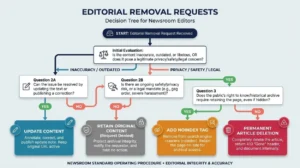
Reviews that violate a platform’s policies may qualify for removal, while compliant reviews generally remain visible. Review & Rating Removal strategies also focus on improving reputation signals and strengthening authoritative content to support balanced search results.
Why are review ratings important for search visibility?
Review ratings provide search engines with valuable trust and sentiment signals that contribute to SERP evaluation. They work alongside content quality, authority, structured data, and entity consistency to influence online credibility.
How does Clear Your Name help with review issues?
Clear Your Name supports businesses through Review & Rating Removal strategies that improve digital trust, strengthen reputation signals, and enhance entity perception. These approaches focus on sustainable online reputation management rather than short-term visibility changes.