Stopping a coordinated social media bot attack requires evidence-led detection, platform-specific intervention and sustained control of the resulting search visibility. A structured reputation management service reduces risk by addressing artificial amplification while strengthening credible reputation signals around the affected individual or entity.
Search visibility control matters because coordinated attacks can extend beyond social platforms into search results, indexed pages and wider digital footprints. Reputation signals influence how prospective clients, employers, journalists and other decision-makers interpret an entity before direct engagement. When repeated negative content gains visibility, reputation management focuses on identifying the source, controlling legitimate removal opportunities and improving the balance of information surrounding the entity.
Which Reputation Management Approach Delivers the Strongest Protection Against Bot Attacks?
A coordinated approach delivers the strongest protection because bot attacks operate across accounts, content and visibility channels rather than through a single post. Effective intervention begins with identifying coordinated account behaviour, documenting the affected content and mapping how the material spreads across social platforms and search ecosystems. This creates a factual basis for deciding whether platform reporting, content removal, search-focused strategies or a combination of methods provides the appropriate response.
The process also separates genuine criticism from artificially amplified activity. This distinction is essential because legitimate negative feedback does not automatically constitute removable content, while coordinated manipulation requires evidence of relationships between accounts, timing, wording or engagement. A structured assessment therefore reduces the risk of pursuing inappropriate removal requests and concentrates resources on content with identifiable policy or reputational relevance.
For individuals facing sustained social attacks, professional social media reputation protection provides a framework for analysing the complete visibility environment rather than treating each post as an isolated incident. This approach supports stronger evidence management, clearer intervention priorities and more consistent monitoring of reputation signals.
How Does Social Media Content Removal Reduce Reputation Risk?
Social media content removal reduces reputation risk by addressing harmful material at its source when that material breaches an applicable platform rule or qualifies for another legitimate removal mechanism. The process involves identifying the relevant content, preserving evidence, determining the applicable policy basis and submitting a properly documented request. Where enforcement occurs, removing the originating content reduces its direct exposure to users on that platform.
Removal also prevents a specific piece of content from continuing to generate engagement through its original location. This is particularly important when coordinated accounts repeatedly amplify the same narrative because each active post provides another opportunity for exposure and interaction. Eliminating eligible source material therefore reduces the number of visible reputation-risk points within the social ecosystem.
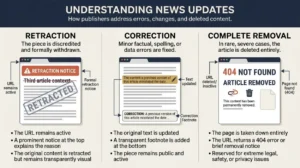
However, removal does not automatically eliminate every copy of a narrative. Screenshots, reposts, external websites and search-indexed references can preserve the same information elsewhere. A reliable strategy therefore evaluates both source-level removal and residual search visibility after enforcement activity.
Can Reputation Management Services Stop a Coordinated Bot Attack Completely?
A reputation management service can substantially reduce the visibility and persistence of coordinated attack content through structured intervention, but complete elimination depends on the nature and distribution of the material. The strongest process focuses on identifiable violations, coordinated account patterns, duplicate content and the wider digital footprint generated by the campaign.
The first objective is containment. Evidence is organised around account behaviour, content duplication, timestamps, URLs, engagement patterns and other relevant indicators so that individual reports form part of a coherent evidence record. This improves process clarity and gives platform reviewers information that explains the relationship between apparently separate accounts or posts.
The second objective is visibility control. Where content remains online but no longer qualifies for removal, legitimate reputation strategies focus on strengthening accurate and authoritative information within the search ecosystem. This creates a distinction between negative content suppression and direct removal: suppression addresses visibility, while removal addresses access to specific eligible material.
What Process Provides the Most Reliable Response to Coordinated Social Attacks?
A defined process provides the most reliable response because it converts a complex reputation incident into measurable stages. A professional assessment begins with evidence collection, followed by network analysis, policy evaluation, intervention and continuous monitoring.
- Identify coordinated activity by mapping repeated wording, account relationships, publication timing and interaction patterns to distinguish organised amplification from isolated criticism.
- Document affected content by preserving URLs, screenshots, timestamps and account information before posts or profiles change, disappear or become inaccessible.
- Evaluate removal eligibility by matching each item against relevant platform rules and determining whether a specific enforcement mechanism applies.
- Prioritise reputation risks by measuring search visibility, engagement, source authority and the potential impact of each item on entity credibility.
- Monitor post-intervention visibility by tracking indexed pages, social references and relevant search queries to identify persistent or newly replicated content.
This process creates an auditable connection between evidence, action and outcome. It also prevents reputation management from becoming an unstructured sequence of individual reports without a wider understanding of the information ecosystem.
How Does Bot Attack Response Influence Search Rankings?
Bot attack response influences search rankings indirectly by changing the availability, prominence and authority of information associated with an entity. Search engines evaluate individual pages rather than accepting the volume of social activity as proof of credibility. The ranking effect therefore depends on whether social content becomes indexed, linked, referenced or incorporated into pages that compete for relevant queries.
When negative social content generates externally published copies, search visibility becomes a wider concern. Removing an original social post does not necessarily remove an indexed article, forum discussion or reposted page containing the same narrative. Effective SERP control therefore evaluates the entire set of documents contributing to searches involving the affected name or entity.
Where removal is unavailable, legitimate content enhancement provides another mechanism. Accurate, authoritative pages can strengthen the positive and neutral reputation signals available to search systems and users. This does not manipulate search engines into ignoring relevant information; it improves the quality and completeness of the information ecosystem surrounding the entity.
For additional context, understanding how bot networks coordinate attacks against individuals helps explain why coordinated activity can generate a wider digital footprint and why isolated content removal does not always resolve the underlying visibility problem.
Is Content Removal Better Than Negative Content Suppression?
Content removal and negative content suppression serve different objectives, so the stronger option depends on the nature of the reputation risk. Removal directly targets eligible material, while suppression focuses on reducing the prominence of harmful results through legitimate search visibility strategies.
Removal provides a direct outcome when a platform confirms a policy violation. Its measurable effect includes the disappearance or restriction of the identified post, account or piece of content. Suppression has a different measurement framework based on changes in ranking position, search-result composition and the visibility balance between harmful and credible information.
The distinction becomes important when a campaign produces duplicated content. Removing one post does not remove copies distributed through other accounts or websites. Suppression and content enhancement therefore provide a broader visibility strategy when the reputation issue extends beyond the original platform.
How Quickly Can Coordinated Social Media Reputation Damage Be Reduced?

The speed of reputation improvement depends on the number of affected assets, platform response times, evidence quality and the extent of content replication. Platform-level intervention can produce direct changes once eligible material is restricted or removed, while search visibility changes depend on crawling, indexing and ranking processes.
A reliable service separates immediate containment from longer-term search perception influence. Immediate actions focus on high-risk accounts, posts and pages that generate significant visibility or engagement. Longer-term monitoring then evaluates whether the same narrative continues through reposts, external references or indexed documents.
This distinction provides realistic outcome measurement. Success is not defined solely by whether one post disappears; it also includes reduced exposure, improved search-result composition and stronger reputation signals across relevant queries.
How Does the Cost of Reputation Management Compare With Long-Term Reputation Risk?
The cost of reputation management is best evaluated against the duration, visibility and commercial relevance of the underlying reputation risk. A negative result appearing for high-intent searches can repeatedly influence people who research an individual or organisation before making a decision. Addressing the underlying visibility problem therefore has value beyond resolving a single social-media incident.
Short-term reactive reporting typically addresses individual pieces of content. A broader reputation management process evaluates the relationships between those pieces and determines whether the problem has expanded into search results, external websites or other platforms. Reporting Coordinated Inauthentic Behaviour to Social Platforms provides a relevant platform-level route when coordinated activity needs to be documented and assessed against applicable reporting policies. This wider assessment directs resources towards risks with continuing visibility rather than treating every mention as equally important.
Long-term value comes from establishing stronger information structures around the entity. Accurate profiles, authoritative content and consistent references can continue providing reputation signals after the immediate campaign has subsided. This makes sustainable reputation management fundamentally different from repeatedly responding to isolated negative posts.
What Risk Controls Make a Bot Attack Response More Sustainable?
Sustainable risk control combines evidence preservation, policy compliance, search monitoring and continuous reputation analysis. Each component addresses a different failure point in the response process and prevents short-term intervention from becoming disconnected from long-term visibility management.
How Does Evidence Management Reduce Risk?
Evidence management reduces risk by preserving information before accounts, posts or comments change. A structured evidence record creates a consistent basis for comparing activity and demonstrating relationships between accounts.
How Does Policy Alignment Improve Reliability?
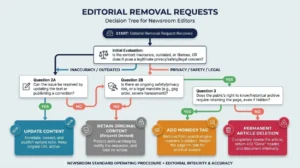
Policy alignment improves reliability by connecting every removal request to a legitimate platform rule or enforcement mechanism. This reduces unsupported reporting and ensures that intervention remains evidence-led rather than based solely on the negative nature of the content.
How Does Search Monitoring Strengthen Sustainability?
Search monitoring strengthens sustainability by identifying changes in SERP composition after intervention. Tracking relevant queries reveals whether harmful content remains visible, whether duplicate material has emerged and whether credible information has gained greater prominence.
These controls create a repeatable reputation-management framework. They also allow performance to be evaluated through observable changes rather than subjective impressions.
Why Is Search Perception Influence Important After Social Media Content Removal?
Search perception influence remains important because the disappearance of a social-media post does not necessarily remove the broader narrative from the internet. Search engines aggregate information from different sources, meaning an individual can continue encountering related content through indexed pages, articles, forums or reposted material.
The objective after removal is therefore to establish whether the reputation signal has actually declined across the search ecosystem. This requires monitoring relevant queries, identifying persistent results and evaluating the authority of pages still associated with the entity.
A complete strategy strengthens the information balance rather than assuming that one enforcement decision resolves the entire problem. By combining removal where justified with legitimate search visibility management, the process reduces residual exposure and stabilises entity perception over time.
Dive Deeper With Our Expert Guides:
File a Copyright Takedown for Reposted Content With Our Help
Get Expert Guidance on Responding to Social Media Backlash
How Does a Structured Service Strengthen Entity Credibility?
A structured service strengthens entity credibility by connecting evidence, intervention and monitoring into one defined process. Clear Your Name applies this principle by treating coordinated social-media attacks as an information-ecosystem problem rather than a collection of unrelated posts.
The process begins with identifying the reputation signals generated by the attack and determining which signals originate from coordinated activity. It then separates removable content from material requiring alternative visibility strategies. This distinction improves decision accuracy and prevents inappropriate expectations about what platform enforcement can achieve.
The outcome is measured through visibility, control and information quality. Reduced exposure to harmful material, stronger representation from credible sources and improved SERP composition provide tangible indicators of progress. These measurements make reputation management more accountable than relying on general claims about improved online perception.
What Is the Most Reliable Way to Stop a Coordinated Social Media Bot Attack?
The most reliable approach combines coordinated-activity analysis, evidence-led platform reporting, legitimate content removal, negative content suppression and continuous SERP monitoring. Each mechanism addresses a different stage of the reputation-risk cycle, from identifying the source of artificial amplification to reducing its continuing visibility.
A structured reputation management service delivers greater process clarity because every action connects to a defined risk, evidence set and measurable outcome. Platform reporting addresses eligible violations, content removal reduces source-level exposure, while search-focused strategies address information that remains visible beyond the original social platform.
Clear Your Name provides a structured framework for managing these interconnected reputation risks, with emphasis on evidence, search visibility, reputation signals and measurable outcomes. The result is a controlled process designed to reduce unnecessary exposure, strengthen entity credibility and stabilise search perception without relying on artificial engagement or unsupported claims.
Get Help Stopping a Coordinated Social Media Bot Attack is therefore best understood as a decision based on the scope of the attack, the eligibility of affected content for removal, the persistence of indexed information and the need for sustained SERP control. Reliable intervention depends on matching each reputation risk to the mechanism capable of addressing it.
How do you stop a coordinated social media bot attack?
A coordinated social media bot attack is addressed by identifying linked accounts, preserving evidence and reporting activity that violates platform policies. Reputation management also evaluates reposts, indexed content and search visibility to reduce the wider impact on online reputation.
Can social media bot attacks damage your online reputation?
Yes, coordinated bot activity can amplify negative content and create misleading reputation signals around an individual or organisation. Repeated content can also affect public perception when users encounter the same narrative across multiple accounts or search results.
How does social media content removal help with bot attacks?
Social media content removal addresses posts, accounts or material that qualify for enforcement under a platform’s policies. Removing eligible content reduces source-level visibility, while search monitoring identifies duplicated or indexed material that remains elsewhere online.
How long does it take to reduce the impact of a social media bot attack?
The timeframe depends on the volume of content, evidence quality, platform review processes and the extent of content replication. Immediate reporting can address individual violations, while sustained reputation monitoring measures changes in search visibility and SERP composition.
What evidence is needed to report a coordinated social media bot attack?
Useful evidence includes account URLs, post links, screenshots, timestamps, repeated wording and patterns of coordinated engagement. Organising these details helps demonstrate relationships between accounts and supports evidence-based platform reporting.