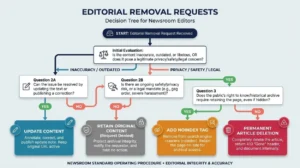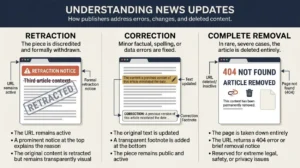
Indeed handles removal requests by assessing whether reviews breach its community guidelines, including rules relating to authenticity, discrimination, harassment and misleading content. Its guidelines define the standards that govern review moderation and determine whether content remains visible or is removed.
Reputation management is the process of understanding how information influences trust, credibility and public perception across digital platforms. Online reputation refers to the collection of reviews, content and reputation signals that shape entity perception and search visibility within search ecosystems.
What Are Indeed Community Guidelines?
Indeed community guidelines are the rules that govern what users can publish on the platform and establish the standards for acceptable review content.
Community guidelines exist to protect the reliability of information presented to job seekers and employers. These rules define prohibited behaviour, including discriminatory language, personal attacks, false information and promotional content. By establishing content standards, the platform attempts to maintain the credibility of its review ecosystem.
Guidelines also influence how reputation is formed. Reviews become part of an organisation’s digital footprint and contribute to public perception. Content that complies with platform standards remains visible and influences user decisions, while content that violates guidelines becomes subject to moderation and potential removal.
The existence of these policies demonstrates that online reputation is governed by procedural frameworks rather than individual opinions regarding fairness or accuracy.
How Does Indeed Review Moderation Work?
Indeed review moderation is the process of evaluating user-generated content against established platform rules and behavioural indicators.
The moderation system combines automated technologies with manual assessment processes. Automated systems identify suspicious patterns, prohibited language and policy breaches, while manual reviews provide additional context when content is reported.
The process focuses on policy compliance rather than subjective disagreement. A review remains visible if it does not breach community standards, even when the reviewed organisation disputes its content. This distinction creates a structured moderation environment that prioritises consistency and procedural fairness.
Review moderation also influences search perception. Employer reviews contribute to entity credibility and shape how organisations are perceived by prospective employees and other stakeholders.
What Types of Content Do Indeed Community Guidelines Prohibit?
Indeed community guidelines prohibit content that compromises trust, accuracy and the integrity of the review platform.
Prohibit Discriminatory Content
Prohibit language that attacks individuals or groups based on protected characteristics. Such content damages the reliability of the platform and breaches established standards.
Restrict False Information
Restrict content that contains intentionally misleading or fabricated information. False information undermines trust signals and distorts public perception.
Prevent Harassment and Abuse
Prevent content that targets individuals with threats, intimidation or offensive language. Harassing material disrupts constructive feedback mechanisms.
Exclude Promotional Material
Exclude reviews that attempt to advertise products, services or unrelated commercial interests. Promotional content interferes with the intended purpose of employer reviews.
These restrictions establish the boundaries that determine whether content remains visible or becomes eligible for removal.
How Are Removal Requests Evaluated?
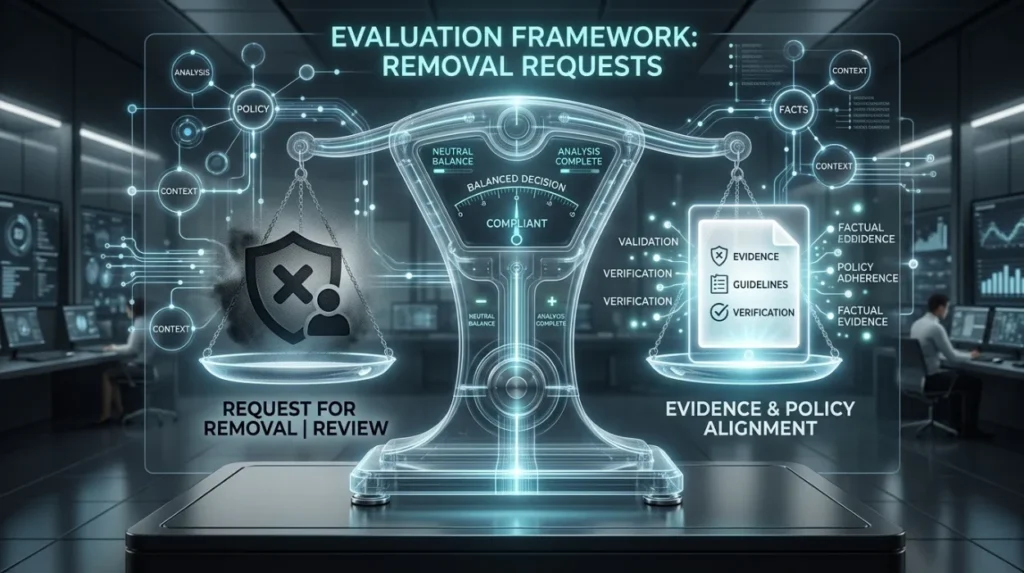
Removal requests are evaluated by determining whether the reported content breaches community guidelines.
A request typically begins with the identification of specific policy violations. The review is then examined against the platform’s rules to establish whether it contains prohibited material or demonstrates signs of manipulation.
The moderation process does not focus on whether an organisation disagrees with the review. Instead, it evaluates whether the review violates established standards. This distinction explains why some disputed reviews remain online despite concerns regarding their accuracy.
The process reflects a broader principle within reputation management: content moderation relies on objective criteria rather than subjective perception.
Why Do Some Reviews Remain Online After Being Reported?
Some reviews remain online because they do not satisfy the platform’s threshold for removal.
A review can be negative, critical or damaging while still complying with community guidelines. Moderation systems distinguish between content that expresses dissatisfaction and content that violates established policies.
This distinction is significant because reputation signals are shaped by both positive and negative information. Platforms attempt to preserve authentic experiences and avoid removing legitimate opinions simply because they create reputational challenges.
The persistence of certain reviews demonstrates the balance between content integrity and reputation protection within digital ecosystems.
How Do Reviews Influence Online Reputation?
Reviews influence online reputation because they function as publicly accessible trust signals that shape entity perception.
Employer reviews contribute to an organisation’s digital footprint and influence how stakeholders evaluate credibility, workplace culture and trustworthiness. These reviews become part of the information environment that affects future decision-making.
Search engines also interpret review content as a form of reputation data. Although individual reviews do not always directly determine search rankings, they contribute to broader perceptions of authority and trust. This relationship between reviews and perception demonstrates why review platforms hold significant reputational influence.
The accumulation of reviews therefore affects both public understanding and long-term credibility.
How Does Search Visibility Relate to Employer Reviews?
Search visibility relates to employer reviews because publicly accessible information contributes to search perception and digital trust.
Employer profiles and review pages frequently appear within search engine results pages. These pages become part of the broader narrative associated with an organisation and influence how users interpret credibility before interacting with the entity.
Reviews also contribute to entity perception by providing context about organisational reputation. Positive sentiment can strengthen trust signals, while persistent negative sentiment can influence public evaluation and decision-making.
This relationship illustrates that online reputation extends beyond individual platforms and becomes integrated into wider search ecosystems.
Why Is Evidence Important in Removal Requests?
Evidence is important because moderation systems rely on verifiable information when assessing reported content.
A removal request gains credibility when it demonstrates that a review breaches specific guidelines. Evidence helps establish whether information is misleading, discriminatory or otherwise prohibited.
Platforms cannot evaluate every dispute through subjective interpretation. Instead, they require objective indicators that support claims of policy violations. This approach creates consistency within moderation processes and reduces arbitrary decision-making.
The significance of evidence explains why the assessment process often focuses on documentation, contextual information and policy alignment.
How Do Platforms Balance Trust and Content Moderation?
Platforms balance trust and content moderation by protecting both freedom of expression and the integrity of published information.
Review platforms depend on user confidence. Excessive removal of content can reduce trust in the authenticity of reviews, while inadequate moderation can allow misleading information to remain visible.
Moderation frameworks therefore operate through procedural standards designed to maintain equilibrium between these competing objectives. Content remains visible when it complies with guidelines and becomes subject to removal when it breaches established rules.
This balance demonstrates that reputation management involves the interaction between trust, information governance and digital credibility.
Why Is Understanding Review Policies Important?
Understanding review policies is important because platform guidelines determine how reputation-related disputes are resolved.
The interpretation of community standards affects whether content remains indexed, becomes hidden or is removed entirely. Organisations that understand these mechanisms gain a clearer understanding of how online reputation systems function.
Policy awareness also improves understanding of Indeed review removal request evidence, because evidence requirements and moderation criteria directly influence the likelihood that a reported review receives further consideration.
The relationship between policy interpretation and evidence demonstrates that reputation management depends on procedural understanding rather than assumptions about fairness.
Indeed’s removal processes and community guidelines define the standards that govern review moderation and determine whether content remains visible. These rules focus on authenticity, prohibited behaviour and policy compliance rather than subjective disagreement with published opinions.
Employer reviews influence digital footprints, entity perception and trust signals that contribute to online reputation. Understanding how moderation systems evaluate content provides a clearer understanding of why some reviews are removed while others remain visible.
The relationship between guidelines, evidence and moderation demonstrates that reputation management is fundamentally connected to information governance and the mechanisms that shape credibility within search ecosystems.
Can Indeed remove an employer review if it breaks community guidelines?
Yes, Indeed can remove employer reviews that violate its community guidelines, including content involving harassment, discrimination, false information or spam. The platform reviews reported content to determine whether it breaches its published standards.
What types of reviews does Indeed prohibit?
Indeed prohibits reviews containing abusive language, discriminatory remarks, promotional content, threats and intentionally misleading information. Reviews that breach these guidelines may be removed following moderation and assessment.
Why do some negative Indeed reviews remain online after being reported?
Negative reviews often remain online if they comply with Indeed’s community guidelines and reflect personal opinions or experiences. Reporting a review does not guarantee removal unless the content violates a specific policy.
How does Indeed evaluate a review removal request?
Indeed evaluates removal requests by comparing the reported review against its community guidelines and moderation policies. The platform considers whether the content contains prohibited material or evidence of policy violations.
Can Indeed Review Removal Services help with reporting policy violations?
Indeed Review Removal Services, including those provided by Clear Your Name, generally assess whether a review breaches platform guidelines and help organise evidence for a removal request. The final decision regarding removal always remains with Indeed.