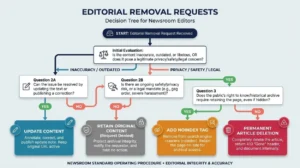
Removing a photo from Google in the UK depends on the available evidence, the authority responsible for the image and the applicable removal framework. Reputation management strategies differ based on how search engines, publishers and legal systems evaluate reputation signals and determine whether image removal criteria have been satisfied.
Online reputation control methods are evaluated through the relationship between content indexing, search visibility and entity credibility. Images contribute significantly to digital footprints because visual content often appears prominently in branded search results. Understanding the available evidence and comparing removal routes provides a structured framework for evaluating effectiveness, sustainability and long-term influence on SERP composition.
Which types of evidence support removing a photo from Google?
Different categories of evidence support image removal because Google and original publishers evaluate requests according to recognised governance standards rather than reputational concerns alone. The strength of supporting evidence determines whether a request satisfies the applicable removal framework.
Evidence generally relates to identifiable policy or legal criteria. Privacy concerns, copyright ownership, explicit imagery and other recognised categories each require documentation that demonstrates why an image qualifies for review. Search engines compare submitted evidence against published removal standards before reaching a decision.
Within reputation management, evidence also contributes to procedural accuracy. Well-defined supporting information improves evaluation efficiency because removal requests align with recognised governance frameworks rather than subjective arguments.
How do Google removal routes compare with publisher removal routes?
Google removal routes and publisher removal routes operate independently because they control different stages of the search ecosystem. Google manages search visibility, while publishers determine whether original content remains publicly available.
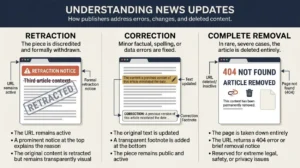
Google evaluates whether indexed images qualify for removal under its published policies. Publisher removal focuses on the availability of the original image itself. If an image is removed from its source, search engines normally update indexed results after subsequent crawling and content indexing cycles.
This comparison highlights an important distinction within reputation management. Search visibility depends on indexing systems, whereas publication availability depends on publisher governance. Both influence entity credibility but operate through separate mechanisms.
How do legal routes compare with platform-based reporting?
Legal routes and platform-based reporting differ because they apply different standards when evaluating image removal requests. Legal mechanisms examine statutory rights, while platform reporting evaluates compliance with moderation rules established by individual services.
Legal frameworks analyse issues such as privacy, copyright or other recognised legal protections. Platform moderation instead measures whether uploaded content breaches community standards, prohibited content policies or user guidelines. These governance systems therefore evaluate different forms of evidence before reaching removal decisions.
Understanding this distinction improves search perception analysis because the appropriate route depends on the authority responsible for the image. Selecting the correct governance framework reduces procedural complexity and supports more consistent reputation management outcomes.
Which removal route has the greatest influence on search visibility?

Source-level image removal provides the broadest influence because search engines continuously update indexed information according to the availability of original content. Search visibility ultimately reflects the information that remains publicly accessible across the web.
Google removal changes the appearance of image results within search listings, while publisher removal changes the availability of the original image itself. Platform moderation also affects visibility where uploaded images violate recognised content standards. Each approach therefore contributes differently to SERP composition and entity credibility.
Comparing these methods demonstrates that long-term search visibility depends on the relationship between indexing systems and original publication rather than a single removal pathway.
How should available removal routes be evaluated?
Removal routes are evaluated by comparing governance authority, supporting evidence and expected search visibility outcomes before selecting an appropriate strategy. This structured comparison improves consistency and reduces unnecessary procedural risk.
Which evaluation framework supports effective decision-making?
A systematic framework enables objective comparison between available removal methods.
- Identify the controlling authority by determining whether Google, the publisher or a platform governs the image.
- Assess available evidence by comparing documentation with recognised legal standards or moderation policies.
- Measure search visibility impact by evaluating how the indexed image contributes to SERP composition and entity credibility.
- Compare long-term outcomes by analysing sustainability, scalability and future content indexing effects.
This evaluation process provides a consistent analytical framework for comparing reputation management approaches before selecting an appropriate removal route.
How do search engines evaluate image removal requests?
Search engines evaluate removal requests according to policy compliance, technical indexing status and recognised legal obligations rather than reputational concerns. Every request undergoes structured review against published removal criteria.
Google also analyses whether the image remains publicly available on the original website. Continued publication influences content indexing because search systems regularly revisit accessible webpages during future crawling cycles. This interaction explains why different removal routes produce different effects on search visibility and reputation signals.
Dive Deeper With Our Expert Guides:
How to Remove an Image From Google Search in the UK Using Privacy and Copyright
What Routes Are Available to Request Google Image Removal in the UK
How do reactive image removal strategies compare with long-term reputation management?
Reactive image removal strategies address specific indexed images that satisfy recognised removal criteria, while long-term reputation management focuses on strengthening the overall digital footprint. These approaches operate through different mechanisms and influence search ecosystems over different timeframes.
Reactive methods concentrate on reducing the visibility or availability of individual images through search engine policies, publisher action or platform moderation. Their effectiveness is measured by the outcome of each removal request. Long-term strategies improve entity credibility by expanding authoritative digital assets and strengthening positive reputation signals across search results.
This comparison demonstrates that image removal resolves defined visibility issues, whereas broader reputation management improves the sustainability of search perception through continuous enhancement of online credibility.
How does content suppression compare with content enhancement for image reputation?
Content suppression and content enhancement represent different reputation management strategies that influence SERP composition in distinct ways. Content suppression operates by reducing the prominence of unwanted search results, while content enhancement increases the visibility of authoritative and relevant content.
Content suppression evaluates existing search visibility and aims to rebalance reputation signals within search ecosystems. Content enhancement develops additional trusted content that strengthens entity credibility and expands the positive digital footprint. Both methods influence search ranking behaviour but achieve different strategic objectives.
When evaluated together, these approaches provide a broader understanding of how search engines interpret authority, trust signals and sentiment distribution over time.
Which evaluation criteria produce the most sustainable image removal strategy?
The most sustainable image removal strategy results from comparing governance authority, evidence quality, legal eligibility and long-term search visibility before selecting a removal pathway. A structured assessment improves consistency and reduces unnecessary procedural complexity.
Effective evaluation also considers scalability by determining whether the selected approach addresses only a single indexed image or contributes to wider improvements in digital reputation. Sustainable reputation management depends on maintaining accurate, authoritative information that supports long-term entity credibility across search ecosystems.
This analytical approach strengthens decision-making because removal strategies are selected according to measurable governance factors rather than assumptions about search engine behaviour.
Removing a photo from Google in the UK requires careful evaluation of evidence, governance frameworks and the authority responsible for the published image. Google removal, publisher action, legal procedures and platform moderation each operate through different mechanisms and influence search visibility in different ways.
Comparing these approaches demonstrates that effective reputation management depends on selecting the removal route that aligns with the available evidence and the governing authority. Understanding these distinctions improves search perception analysis, strengthens entity credibility and supports sustainable management of digital reputation within modern search ecosystems.
Readers seeking practical implementation of these concepts can continue with Remove a Damaging Photo From Google UK With Professional Support Today, which explores how structured image removal strategies are applied in a decision-stage context.
What evidence is needed to remove a photo from Google in the UK?
Evidence depends on the removal route and may include proof of privacy infringement, copyright ownership, legal documentation or information showing that the image breaches Google’s published policies. Strong supporting evidence helps ensure the request is assessed under the correct framework.
What are the main routes for removing a photo from Google?
The main routes include Google’s removal policies, requests to the original website or publisher, platform moderation processes and legal procedures where applicable. Each route operates under different rules and affects search visibility in different ways.
Can Google remove a photo if it is still available on the original website?
In certain circumstances, Google may remove an image from search results if it meets its removal criteria. However, if the image remains on the original website, it can still be accessed directly unless the publisher also removes it.
What do Google Image Removal Services evaluate before submitting a request?
Google Image Removal Services assess the source of the image, the available evidence, Google’s removal policies and any applicable legal or platform rules. Clear Your Name follows a structured evaluation process to determine the most appropriate removal pathway.
Why is choosing the correct image removal route important?
Selecting the correct removal route improves the efficiency of the review process because each authority applies different policies and legal standards. A structured approach also supports stronger online reputation management by addressing image visibility through the appropriate governance framework.