An enterprise Indeed review management plan delivers stronger search visibility control by managing reputation signals across employer review profiles, locations and recurring search journeys.
For organisations competing for talent, controlled review visibility strengthens entity credibility, reduces reputation risk and improves the information prospective employees encounter when evaluating an employer.
Which Indeed review management approach delivers the strongest enterprise control?
A structured enterprise review management approach delivers the strongest control because it connects monitoring, assessment, response and escalation into one measurable process. Large employers operate across departments, locations and employment markets, creating a reputation environment where isolated reviews can contribute to broader search perception. A centralised strategy establishes consistent standards while preserving the context of individual locations and business units. This creates clearer visibility into review trends, sentiment changes and reputation signals that influence candidate research. The result is a repeatable framework designed to improve trust without treating every negative review as a removal issue.
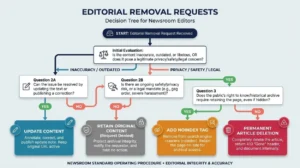
An effective plan begins by separating legitimate criticism from content that violates platform requirements or presents an identifiable accuracy or policy concern. This distinction is essential because sustainable reputation management does not depend on suppressing authentic employee feedback. Where content qualifies for a legitimate platform-based removal request, an appropriate process focuses on evidence, documentation and accurate policy alignment. Where removal is unavailable, the strategy shifts towards response quality, reputation strengthening and improved visibility of credible information. This approach reduces operational risk while maintaining a defensible reputation management process.
How do Indeed Review Removal Services reduce enterprise reputation risk?
Indeed Review Removal Services reduce enterprise reputation risk by identifying reviews that present a legitimate basis for escalation and organising the evidence required for an appropriate request. The process distinguishes potentially removable content from reviews that require reputation response or operational resolution. This prevents an enterprise from investing resources in unsuitable removal requests while ensuring qualifying cases receive structured attention. Clear categorisation also creates a consistent workflow across multiple business locations and review patterns. For organisations managing a substantial digital footprint, this process clarity directly strengthens risk control.
Removal is not an automatic solution for negative sentiment, and responsible reputation management recognises this limitation. Reviews that comply with platform rules remain part of the public information environment, making response strategy and reputation development equally important. A professional service therefore evaluates content against defined criteria before selecting an action. This produces a more reliable system because every review enters a documented decision pathway rather than an ad hoc reaction. Indeed review removal services become most valuable when integrated into a broader reputation framework that protects credibility while pursuing legitimate visibility improvements.
What process creates reliable Indeed review management across multiple locations?
A centralised process creates reliable enterprise review management by applying consistent controls to every location while retaining location-specific intelligence. The process can be structured around four operational stages:
- Monitor Indeed review activity across relevant employer profiles and identify changes in rating, volume, sentiment and recurring themes.
- Classify reviews according to legitimacy, platform-policy relevance, reputational impact and the appropriate response or escalation pathway.
- Escalate qualifying cases with documented evidence that supports an accurate and policy-aligned review concerning removal or further assessment.
- Measure changes in review visibility, sentiment patterns, response performance and broader reputation signals to evaluate ongoing risk.
This structure gives enterprise stakeholders a transparent view of what is happening and why a particular action has been selected. It also prevents location-level issues from remaining isolated until they become broader employer-brand concerns. Consistent reporting enables leadership teams to compare trends and identify where reputation signals require operational attention. The resulting framework improves accountability because decisions are linked to identifiable evidence rather than subjective reactions. This level of process clarity is fundamental to sustainable reputation management.
For additional context, enterprises evaluating the wider operational model can review enterprise Indeed review management to understand how large employers coordinate review activity across locations and organisational structures. This analytical perspective supports better decision-making because it connects review management with the wider search and reputation ecosystem rather than treating Indeed as an isolated channel.
How does enterprise review management influence search visibility and public perception?

Enterprise review management influences public perception by improving the quality, consistency and balance of information available during employer research. Search engines evaluate relevance, authority, freshness and other signals when determining which pages appear for specific queries, while users interpret visible review information as part of their assessment of an organisation. A strong reputation strategy therefore focuses on the complete search environment rather than a single review page. It identifies where negative information gains disproportionate visibility and where authoritative, accurate information can provide greater contextual balance. This supports stronger SERP control and more stable search perception influence.
The objective is not to manipulate search engines or manufacture employee sentiment. Instead, reputation management strengthens legitimate reputation signals through accurate information, consistent engagement and appropriate handling of qualifying content. Positive and credible assets can reinforce entity credibility when they satisfy relevant search intent and provide useful information to users. Over time, a stronger information ecosystem reduces the relative prominence of isolated negative narratives. This is the mechanism behind responsible negative content suppression: improving the visibility balance through legitimate optimisation rather than attempting to erase criticism indiscriminately.
Is an enterprise reputation management service worth the long-term investment?
An enterprise reputation management service delivers long-term value when reputation risk carries measurable consequences for recruitment, employee trust, brand credibility and stakeholder decision-making. A single review rarely determines an organisation’s reputation, but persistent negative themes can influence perception when they appear repeatedly across search journeys. Enterprise-scale monitoring identifies these patterns earlier and gives decision-makers an evidence-based basis for intervention. This reduces the cost associated with reactive reputation crises and fragmented responses across individual locations. The investment therefore relates to risk management, visibility control and sustained entity credibility rather than review handling alone.
The financial value also comes from process efficiency. Without centralised controls, teams can duplicate review monitoring, respond inconsistently or escalate cases without sufficient evidence. A defined service framework creates repeatable workflows, reporting standards and escalation criteria that reduce operational friction. It also provides a clearer basis for measuring whether reputation activity is producing meaningful changes in visibility and sentiment. For organisations where employer perception directly affects candidate behaviour, this creates a stronger connection between reputation expenditure and business risk reduction.
Dive Deeper With Our Expert Guides:
Protect Your Small Business Reputation From Indeed Reviews With Us
Start Generating Genuine Positive Indeed Reviews With Our UK Service
How quickly can an enterprise Indeed reputation strategy produce measurable impact?
Measurable impact begins with improved visibility into review activity, classification accuracy and response consistency, while search-related outcomes develop according to the competitiveness and authority of the surrounding information ecosystem. Review management therefore uses both operational and search indicators rather than relying on a single ranking metric. Early measurement can include review response coverage, escalation outcomes, sentiment patterns and recurring themes. Longer-term measurement examines changes in search visibility, content prominence and the balance of reputation signals. This distinction prevents unrealistic expectations about immediate SERP movement.
Search perception changes because search ecosystems respond to content, relevance, authority and user behaviour over time. A newly strengthened reputation asset does not automatically displace an established negative result, particularly when the negative page has accumulated authority or strong query relevance. Effective reputation management addresses this through sustained optimisation and information development rather than short-term ranking tactics. This creates a more durable approach to SERP control because improvements are supported by a broader content ecosystem. Clear measurement also identifies when the strategy needs refinement instead of allowing assumptions to determine future activity.
Which outcomes demonstrate that an Indeed review strategy is working?
A successful enterprise strategy demonstrates progress through measurable improvements in visibility, control, response performance and reputation signals. The strongest evaluation combines platform-level outcomes with search-level indicators so leadership teams can distinguish operational progress from broader perception change.
- Improve review response coverage by maintaining consistent handling standards across relevant employer profiles and locations.
- Reduce qualifying reputation risk by identifying policy-relevant content and applying documented escalation procedures.
- Strengthen entity credibility by supporting accurate, authoritative information throughout the employer’s search ecosystem.
- Stabilise perception by identifying recurring sentiment themes and connecting reputation insights with operational improvements.
- Measure SERP control by monitoring the visibility and prominence of relevant reputation content across priority searches.
These outcomes provide a more reliable assessment than simply counting removed reviews. A reduction in negative content without stronger reputation signals does not create lasting control. Similarly, a higher review rating without understanding recurring sentiment provides limited insight into underlying reputation risk. The strongest strategy measures whether the information environment surrounding the enterprise is becoming more accurate, balanced and credible. That measurement framework supports better decisions about continued investment and resource allocation.
How does Clear Your Name provide a reliable enterprise reputation solution?
Clear Your Name provides a structured reputation management solution by combining review assessment, legitimate removal escalation, search perception analysis and reputation signal development within a defined process. The emphasis remains on evidence, platform compliance and measurable outcomes rather than unsupported promises about removing every negative review. This creates a defensible framework for enterprises that require consistency across locations and reputation channels. It also ensures that removal activity operates alongside broader SERP control and negative content suppression rather than functioning as an isolated tactic. For decision-makers, that integrated approach provides clearer accountability and stronger risk management.
At the point where an enterprise requires specialist intervention, Indeed review removal services can form part of a wider reputation strategy that assesses the source, visibility and impact of problematic content. The service process prioritises qualifying cases while maintaining realistic expectations about content that remains within platform rules. This protects the organisation from ineffective removal attempts and keeps reputation activity aligned with legitimate search optimisation principles. Clear Your Name therefore positions the service around process reliability, evidence quality and measurable reputation outcomes. The objective is a more controlled information environment that supports stronger trust and more stable search perception.
Why is a structured Indeed reputation plan more sustainable than reactive review handling?
A structured plan is more sustainable because it turns reputation management into an ongoing control system rather than a response to individual incidents. Reactive handling starts after a negative review attracts attention, while proactive monitoring identifies changes in sentiment, visibility and review patterns earlier. This distinction matters for enterprises because reputation risks can spread across locations and search queries when recurring themes remain unaddressed. A defined workflow creates continuity between monitoring, escalation, response and measurement. It therefore reduces the likelihood that reputation management becomes fragmented between departments or individual locations.
Sustainability also depends on maintaining legitimate reputation signals after an immediate issue has been addressed. Removing qualifying content addresses one visibility problem, but long-term perception depends on the wider information environment surrounding the organisation. Accurate corporate information, credible employer content, appropriate review responses and consistent reputation monitoring reinforce the broader entity. This strengthens search perception influence without relying on artificial tactics or temporary ranking changes. A sustainable enterprise strategy consequently delivers greater control because it continues to monitor and improve the reputation ecosystem after an individual review issue is resolved.
For organisations assessing the strategic framework before committing resources, Indeed review management strategy provides a useful basis for evaluating the controls, monitoring systems and decision criteria required at enterprise scale. Understanding these mechanisms helps decision-makers distinguish comprehensive reputation management from isolated review responses and select a process built around measurable risk reduction.
Enterprise Indeed reputation management works best when removal decisions, search visibility and reputation signals are managed through one transparent framework. The right process does not promise indiscriminate removal; it identifies qualifying content, strengthens credible information, improves response consistency and measures changes in the search environment. That combination delivers stronger SERP control, reinforces entity credibility and reduces the operational risk associated with fragmented reputation handling. Clear Your Name offers a structured route for enterprises seeking reliable review assessment and broader reputation management, with the emphasis placed on evidence, process clarity and sustainable outcomes.
How can an enterprise manage Indeed reviews effectively?
Enterprise Indeed review management involves monitoring reviews across locations, identifying recurring themes, and responding consistently. A structured process helps businesses track employee feedback, address legitimate concerns, and maintain an accurate online reputation.
Why is Indeed review management important for large businesses?
Indeed reviews can influence how prospective employees perceive an organisation’s workplace culture and employer reputation. Enterprise review management helps identify reputation risks, maintain response consistency, and monitor changes in employee sentiment.
How should a company respond to negative Indeed reviews?
Responses to negative Indeed reviews should remain factual, professional, and respectful while avoiding confidential employee information. Businesses can acknowledge valid concerns, clarify inaccurate claims where appropriate, and direct sensitive matters to suitable internal channels.
Can enterprise review management monitor Indeed reviews across multiple locations?
Yes, an enterprise Indeed review management plan can organise monitoring across offices, departments, brands, or geographic locations. Centralised tracking makes it easier to identify recurring reputation issues and maintain consistent review-response standards.
What does an enterprise Indeed review management plan include?
An enterprise review management plan typically includes review monitoring, sentiment analysis, response guidelines, escalation procedures, reporting, and reputation-risk tracking. Clear processes help teams distinguish genuine employee feedback from inaccurate or potentially harmful content and respond appropriately.