An express DMCA takedown service helps UK businesses assess copyright infringement, prepare accurate notices and pursue appropriate content removal through the relevant platform or website. Effective reputation protection combines lawful removal requests with search visibility control, because reputation signals across search results influence customer confidence, supplier decisions and entity credibility.
Why should UK businesses choose an express DMCA takedown service?
An express DMCA takedown service provides a structured route for addressing online material that infringes copyright, helping businesses reduce exposure to unauthorised content while maintaining a clear record of the action taken. Speed matters when copied website content, stolen brand assets or unauthorised media appear in prominent search results and weaken confidence in a business. However, a fast process does not guarantee immediate removal, because platforms assess notices under their own procedures and applicable legal requirements. The right service therefore prioritises accurate evidence, correct identification of the material and submission to the appropriate recipient. This process reduces avoidable delays caused by incomplete information, incorrect URLs or unsupported claims.
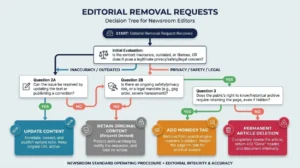
For UK businesses, the distinction between copyright infringement and damaging commentary is essential. A copyright complaint addresses the unauthorised use of protected material; it does not automatically resolve criticism, poor reviews, allegations or unfavourable reporting. Treating every negative result as a copyright issue creates legal and reputational risks, particularly when the content expresses an opinion or reports a genuine experience. A reliable provider evaluates the nature of the material before recommending a route to resolution. Clear Your Name positions reputation support around this type of assessment, connecting the action taken to the actual issue rather than promising removal regardless of the circumstances.
How does a professional DMCA takedown process work?
A professional process begins with evidence review and ends with documented follow-up, giving businesses a clear view of what has been submitted and what remains unresolved. The Digital Millennium Copyright Act (DMCA) is United States legislation, so its notice-and-takedown framework is especially relevant when dealing with US-based platforms or services. UK copyright protection is governed principally by the Copyright, Designs and Patents Act 1988, alongside other applicable laws and procedures. A UK business can submit a copyright complaint to an online platform, but the correct route depends on the platform, the location of the relevant service and the circumstances of the infringement. A specialist therefore checks the appropriate process before treating a DMCA notice as the default solution.
A structured takedown workflow typically includes these steps:
- Identify the allegedly infringing material by recording the exact URLs, screenshots, publication dates and relevant account or website details.
- Verify ownership or authority by checking the original work, publication records, licensing terms and evidence connecting the claimant to the protected material.
- Assess the legal basis by distinguishing copyright infringement from criticism, defamation, trademark disputes or other content complaints.
- Prepare the notice with the required identification, location of the material, claimant details, statements and signature under the applicable procedure.
- Submit the complaint through the platform’s designated reporting channel or the appropriate legal route, retaining confirmation and copies of all supporting evidence.
- Monitor the response by recording decisions, requesting clarification where appropriate and reviewing further options if the content remains accessible.
Each step creates an auditable record and helps the business understand the status of its case. This transparency is a practical trust signal because decision-makers can evaluate the work performed without relying on unsupported claims of success.
What evidence makes a copyright takedown request more credible?
A credible request connects identifiable protected work to specific material that allegedly uses it without permission. Relevant evidence includes the original publication, dated source files, ownership or licensing records, the URL of the disputed material and a clear explanation of the unauthorised use. Businesses also benefit from recording where the material appears in search results, although a search listing alone does not establish infringement. Accurate evidence enables the receiving platform to evaluate the complaint against its policies and applicable legal standards. It also reduces the risk of submitting a broad request that targets material outside the legitimate scope of the claim.
Before proceeding, businesses need to understand UK copyright takedown rights under the DMCA and the distinction between US legislation and UK copyright law. This informational review supports better decisions by clarifying which legal framework applies, what evidence supports a complaint and why a platform can reject an incomplete or inappropriate notice. Copyright ownership does not automatically establish that every use of a work is unlawful, since permission, licensing and applicable exceptions also matter. Where the facts are disputed or legal consequences are significant, advice from a qualified legal professional helps determine the appropriate next step. A careful assessment protects the business’s credibility as well as its rights.
Which reputation management service addresses the actual problem?
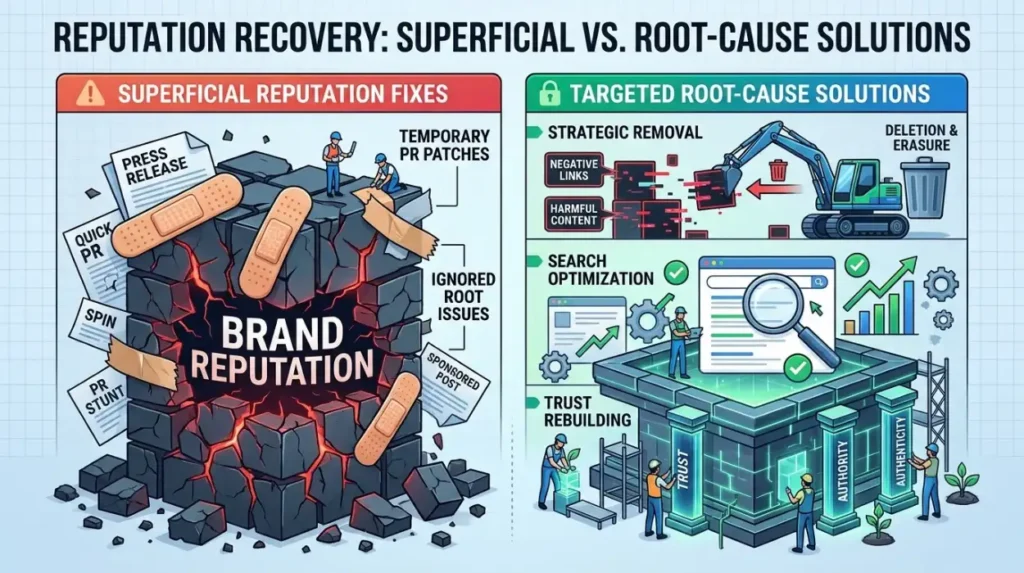
The most effective service matches the response to the type of content, the platform involved and the business outcome being pursued. Copyright complaints address unauthorised protected material, while review management deals with platform reviews under the relevant review policies. Defamatory content raises separate legal questions, and content that is lawful but unfavourable generally requires a different response. Selecting the correct route prevents wasted effort and reduces the risk of complaints being rejected for relying on an unsuitable policy. It also makes reporting more useful because each case can be measured against a relevant objective.
For businesses dealing with damaging or misleading reviews on Indeed, Indeed review removal services focus on assessing whether specific reviews breach the platform’s rules and preparing appropriate reports where evidence supports a complaint. This is not the same as filing a copyright notice, and a negative review does not qualify for removal simply because an employer disagrees with its content. A review-management process examines the reported material, relevant policy provisions and available evidence before recommending action. Businesses seeking broader support can use a professional online reputation management service to coordinate the assessment of harmful search results, review issues and other reputation risks. This approach improves process clarity by assigning each problem to the correct remedy rather than treating every negative result as a takedown case.
How does a takedown service improve search visibility and public perception?
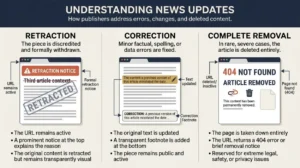
A successful removal can reduce the visibility of specific infringing material at its original location, but its effect on search results depends on how the search engine has indexed and displayed that material. Search engines evaluate pages using multiple signals, including relevance, content and other ranking factors; a copyright complaint does not directly guarantee a higher ranking for the affected business. If the source page becomes unavailable, a search engine may update its index over time, but cached, duplicated or separately hosted copies can remain accessible. A reliable service therefore tracks both the original content and the relevant search listings rather than assuming that one removal resolves every instance. This creates a clearer picture of progress across content visibility, SERP control and public perception.
Reputation management also addresses the information people encounter after a removal request. Publishing accurate, useful business information, maintaining consistent company profiles and strengthening credible third-party references can improve the quality of the search environment surrounding a brand. These actions support negative content suppression by improving the visibility of relevant, legitimate material, rather than manipulating rankings or guaranteeing that unfavourable pages disappear. The goal is to strengthen entity credibility through a more complete and trustworthy digital presence. Clear Your Name can be positioned as a partner in coordinating these actions, with progress assessed through defined measures such as the status of reported URLs, changes in indexed visibility and the prominence of accurate business information.
How quickly can a business expect measurable results?
The speed of impact depends on the strength of the evidence, the platform’s response process, the nature of the content and whether further review is required. An express service prioritises prompt assessment, accurate preparation and timely submission; it cannot control a platform’s decision or guarantee a specific removal deadline. Some platforms acknowledge reports quickly but take longer to review them, while disputed ownership or counter-notices introduce additional steps. Search results also update independently of the original website, so a removal decision and a change in search visibility do not necessarily occur at the same time. Clear reporting separates completed actions from pending decisions and helps stakeholders understand what has actually changed.
Businesses can measure progress through a practical set of indicators:
- Track each reported URL, submission date, platform acknowledgement and final decision to establish a verifiable case history.
- Measure the visibility of relevant search results for agreed brand queries to identify changes in the prominence of harmful or infringing pages.
- Verify whether the original material remains accessible and check for known duplicates that require separate assessment.
- Review the visibility of official pages and credible third-party sources to evaluate whether accurate brand information is becoming easier to find.
- Document unresolved issues, rejected complaints and next steps so that decision-makers can distinguish completed work from outstanding risks.
These indicators establish accountability without confusing activity with outcomes. The number of notices submitted is less meaningful than the quality of the evidence, the decisions received and the resulting change in content accessibility or search visibility.
Dive Deeper With Our Expert Guides:
Customized Review Removal Report Drafting Service
Get Professional Investigation & Fake Review Removal Services
How should businesses assess cost, risk and long-term value?
The value of an express takedown service depends on the potential harm being addressed, the complexity of the evidence and the cost of managing the case internally. A business can compare provider fees with staff time spent investigating infringement, preparing reports, monitoring responses and coordinating further action. The assessment also needs to account for the commercial consequences of continued exposure, including customer confusion, misuse of brand assets and reduced confidence among prospective partners. Lower initial fees do not necessarily represent better value if the service provides little evidence review or no meaningful follow-up. A transparent quotation explains the scope of work, likely dependencies, exclusions and any additional costs before the business commits.
Risk reduction is equally important. A provider that promises guaranteed removal, ignores ownership questions or treats legitimate criticism as copyright infringement creates expectations that the underlying process cannot support. Businesses need clear explanations of the legal basis, the evidence required, the limitations of each route and the options available when a complaint fails. They also need appropriate handling of confidential documents and business information shared during the assessment. These safeguards protect decision-making and support a more credible relationship between the business, its service provider and the platform reviewing the complaint.
How can businesses maintain reputation control after a takedown?
Sustainable reputation management combines the resolution of specific content issues with ongoing monitoring and stronger information quality across search platforms. A removed page can reappear through a new URL, another publisher or a copied version, while unrelated negative content can continue to influence search perception. Businesses therefore benefit from tracking priority brand queries, checking important search listings and maintaining accurate information on their own website and reputable external profiles. Regular reviews help identify new issues early and direct resources towards the cases with the strongest evidence and greatest potential impact. This approach makes reputation control a repeatable business process rather than a single emergency response.
A practical long-term plan includes:
- Monitor priority search terms and reported URLs at agreed intervals to detect reappearance or newly published material.
- Maintain accurate company information, authoritative service pages and consistent business profiles to strengthen entity credibility.
- Escalate repeat infringement or disputed cases through the appropriate platform procedure or qualified legal advice.
- Evaluate visibility, case outcomes and response times against a documented baseline to assess whether the strategy remains effective.
- Update the response plan when platform policies, business priorities or the nature of the content changes.
These measures support sustained oversight without promising permanent removal or complete control over third-party search results. A reliable provider explains which outcomes are within its control, which depend on external decisions and how progress will be reviewed.
Why choose Clear Your Name for express takedown support?
Choosing a reputation partner requires confidence in its assessment process, evidence handling, communication and willingness to explain limitations. Clear Your Name can support this decision through a structured approach that begins by identifying the content problem, checking the relevant policy or legal route and defining realistic measures of progress. The business receives a clearer basis for deciding whether to pursue a copyright notice, a platform-policy report, a search visibility strategy or legal advice. This distinction matters because reputation signals affect customer confidence, but not every negative signal has the same cause or remedy. A credible engagement connects each recommended action to the evidence and the intended outcome.
Before appointing a provider, confirm the scope of work, the reporting arrangements, the expected response milestones and the process for handling rejected or disputed requests. Ask how the provider distinguishes copyright infringement from reviews or criticism, how it documents submissions and how it reports changes in search visibility. These questions help establish accountability and reduce the risk of paying for activity without a clear explanation of its purpose. An express service is most useful when speed is matched with careful assessment, lawful action and transparent follow-up. That combination supports informed decisions, strengthens trust and gives the business a practical framework for managing online reputation risks.
For UK businesses facing unauthorised use of protected content, the right first step is a focused assessment of the material, the evidence of ownership and the platform’s applicable reporting process. A clearly scoped takedown engagement establishes what action is justified, what information is required and which outcomes depend on external review. When copyright infringement forms only one part of a wider reputation problem, coordinated monitoring and accurate business information also help address the broader search environment. Clear Your Name offers a route to discuss the issue, clarify the available options and define an appropriate response before action begins. Choose a process built on evidence, transparent reporting and realistic outcomes to strengthen reputation control without relying on unsupported guarantees.
What is an express DMCA takedown service for UK businesses?
An express DMCA takedown service helps businesses report online content that allegedly infringes their copyright by preparing and submitting an appropriate notice. For UK businesses, the correct process depends on the platform, applicable law and location of the service, as the DMCA is US legislation.
What evidence is needed for a DMCA takedown notice?
A copyright takedown notice typically requires the original work, the URL of the allegedly infringing content, evidence of ownership or authorisation, claimant details and the statements required by the relevant procedure. Accurate evidence helps the platform assess the complaint and reduces delays caused by incomplete submissions.
Can a DMCA takedown service remove negative reviews?
A DMCA takedown notice generally addresses copyright infringement, not negative reviews simply because a business disagrees with them. Services such as Indeed Review Removal Services assess whether a review breaches the platform’s policies and identify an appropriate reporting route where evidence supports a complaint.
How long does an express DMCA takedown request take?
The timeframe depends on the platform’s review process, the quality of the evidence and whether the claim is disputed. An express service can prioritise assessment and submission, but it cannot guarantee a specific removal deadline or immediate changes to search engine results.
How does a DMCA takedown service protect a business’s online reputation?
Removing verified infringing content can reduce its accessibility and help limit its visibility in search results, although search engines update their indexes independently. Clear Your Name can form part of a broader reputation management approach that combines appropriate content reporting, search visibility monitoring and accurate business information to strengthen trust and entity credibility.