A YouTube takedown request involves a formal submission that identifies content violating platform policies or legal rights and triggers review, removal, or restriction within search and platform indexing systems.
Reputation management is the structured process of influencing how individuals or entities are represented across search engines, SERPs, and digital content ecosystems through control of information signals and visibility.
What does a YouTube takedown request mean in search and platform systems?
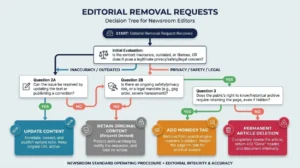
A YouTube takedown request refers to a structured digital report that instructs a platform to evaluate content for removal based on policy violations, legal claims, or harmful publication conditions. It operates as a control mechanism within content ecosystems that directly affects indexing, visibility, and SERP evaluation.
Within search systems, a takedown request functions as a signal that reclassifies content from publicly indexed media into restricted or removed status. This process alters how algorithms interpret entity perception linked to the video, including relevance, authority, and trust associations. Once submitted, the request becomes part of the platform’s content governance workflow.
The mechanism relies on classification logic that evaluates metadata, contextual relevance, and legal framing. Search visibility is reduced when content is flagged, and indexing pathways are adjusted to reflect compliance outcomes. This ensures that disputed or harmful content does not maintain stable ranking positions across search ecosystems.
How do platforms evaluate a YouTube takedown request?
Platforms evaluate a YouTube takedown request through structured policy enforcement systems that analyse legal validity, content context, and violation classification. This evaluation determines whether the content remains indexed, becomes restricted, or is permanently removed.
The evaluation process defines the relationship between the request and platform governance rules. Automated systems scan metadata, content structure, and associated engagement signals to identify policy breaches. Human review layers then interpret contextual complexity, ensuring alignment with legal thresholds and platform standards.
SERP evaluation plays a central role in determining content fate because platforms assess how the video impacts search visibility and informational integrity. Content that produces harmful reputation signals or violates intellectual property boundaries is deprioritised in ranking systems. This evaluation directly influences whether the content retains discoverability across search ecosystems.
Platforms also analyse entity perception during evaluation. If content negatively distorts identifiable individuals, organisations, or brands, the system classifies it as reputational risk content. This classification strengthens removal probability because entity-based risk signals carry high weight in ranking governance frameworks.
Which types of YouTube takedown requests achieve the highest success rates?

YouTube takedown requests based on legal violations, copyright infringement, and verified policy breaches achieve the highest success rates due to structured enforcement rules and clear evidentiary standards. These categories align directly with platform governance models that prioritise compliance clarity over subjective interpretation.
Copyright-based requests demonstrate strong effectiveness because ownership verification provides a measurable standard for removal. When content contains unauthorised media usage, the system identifies infringement signals and reduces content indexing priority. This leads to faster removal outcomes and reduced search visibility across related queries.
Privacy violation requests also perform strongly when identifiable personal data is exposed without consent. Platforms classify such content as high-risk within entity protection frameworks. This classification reduces SERP stability and triggers accelerated content suppression.
Harmful or misleading content requests achieve success when supported by clear policy mapping. These include cases where content violates community guidelines related to harassment, misinformation, or impersonation. The system evaluates trust signals and removes content that destabilises platform integrity or entity reputation structures.
Each successful request category shares a common mechanism: clear evidence alignment with platform rules. This alignment reduces interpretive ambiguity and strengthens enforcement outcomes within indexing systems.
How does copyright infringement influence removal outcomes?
Copyright infringement directly influences removal outcomes by activating automated enforcement systems that prioritise ownership rights within content indexing frameworks. When a copyright claim is validated, the platform reclassifies the content as unauthorised distribution and initiates restriction or removal processes.
This mechanism affects search visibility by removing the content from ranking pools associated with relevant queries. Once flagged, the video loses eligibility for SERP placement within both platform search and external search engine indexing. This ensures that protected media does not maintain discoverability.
Copyright enforcement also affects entity perception because repeated violations linked to an uploader reduce trust signals associated with their content profile. This decreases ranking stability for future uploads and limits distribution reach across recommendation systems.
The evaluation process relies on structured comparison between submitted ownership data and detected media assets. When alignment confirms infringement, indexing systems update content status and trigger downstream visibility suppression. This creates a direct link between legal ownership and search ecosystem control.
How do defamation-based requests affect search visibility and SERP evaluation?
Defamation-based takedown requests affect search visibility by challenging the credibility and accuracy of content that negatively impacts entity reputation signals. These requests trigger evaluation processes that assess whether published material damages identifiable reputational constructs within search ecosystems.
Platforms analyse contextual framing, factual consistency, and harm indicators when processing defamation claims. Content that introduces false or misleading assertions about individuals or organisations receives lower trust weighting in SERP evaluation systems. This reduces ranking stability and accelerates content suppression.
Entity perception plays a central role in this process because defamation directly alters how search systems interpret identity-related information. When reputational distortion is detected, algorithms adjust visibility thresholds to minimise exposure of potentially harmful narratives.
Defamation-based outcomes depend on evidentiary strength and contextual verification. Strongly supported claims result in removal or de-indexing, while weakly supported claims may only result in visibility reduction. This creates a layered enforcement model that balances information integrity with platform policy enforcement.
How does content indexing change after a YouTube video is removed?
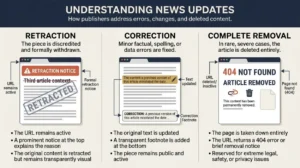
Content indexing changes after a YouTube video is removed by eliminating its presence from both platform-level databases and external search engine results. This removal process resets the content’s visibility status and removes associated ranking signals from SERP structures.
When a video is removed, search engines update their indexing records to reflect content unavailability. This results in broken links, reduced search impressions, and the disappearance of associated metadata from ranking systems. The indexing cycle ensures that removed content no longer influences query outcomes.
Reputation signals linked to the removed content are also recalibrated. Entity associations previously connected to the video are downgraded or removed entirely, altering how search systems interpret relevance and trust. This directly impacts future visibility patterns for related queries.
However, residual indexing traces may persist temporarily due to caching systems and delayed crawl updates. These traces eventually decay as search engines refresh their datasets, completing the removal cycle across digital ecosystems.
What role do platform trust and entity signals play in takedown decisions?
Platform trust and entity signals play a decisive role in takedown decisions by shaping how systems evaluate credibility, risk, and content legitimacy within search ecosystems. These signals determine whether content remains stable in indexing systems or becomes eligible for removal.
Trust signals include historical compliance behaviour, content accuracy patterns, and adherence to platform guidelines. High trust entities experience faster processing and more predictable enforcement outcomes. Low trust entities receive heightened scrutiny and reduced indexing stability.
Entity signals define how individuals, brands, or organisations are represented within search structures. When content negatively affects entity perception, algorithms prioritise corrective actions to restore informational balance. This may include demotion, restriction, or removal of content.
SERP evaluation frameworks integrate both trust and entity signals to maintain search integrity. Content that disrupts credibility structures or introduces reputational distortion is classified as high-impact risk. This classification strengthens enforcement probability and influences final takedown decisions.
Together, these systems ensure that platform governance maintains consistency across indexing, ranking, and visibility layers within digital ecosystems.
YouTube takedown requests operate as structured enforcement mechanisms that influence content visibility, indexing behaviour, and SERP evaluation outcomes. Their effectiveness depends on legal clarity, policy alignment, and the strength of evidence supporting the claim.
Reputation systems interpret these requests through trust signals, entity perception frameworks, and indexing adjustments that collectively determine whether content remains discoverable or is removed from search ecosystems. Different request types produce different enforcement outcomes based on how clearly they align with platform governance rules.
What is a YouTube takedown request and how does it work?
A YouTube takedown request is a formal process used to report content that violates platform policies or legal rights such as copyright or privacy. YouTube reviews the claim and may remove, restrict, or de-index the video based on policy compliance and evidence provided.
Which types of YouTube takedown requests are most likely to succeed?
Requests based on copyright infringement, privacy violations, and clear policy breaches have the highest success rates. These cases succeed because they align with YouTube’s enforcement rules and provide verifiable evidence for removal decisions.
How long does a YouTube takedown request take to process?
Processing time varies depending on the complexity of the claim and whether human review is required. Straightforward copyright claims are often resolved faster, while legal or disputed cases may take several days or longer.
What information is required in a YouTube takedown request?
A valid request typically requires identification of the video, explanation of the violation, and supporting evidence such as copyright ownership or proof of privacy breach. Clear and accurate details improve the likelihood of successful review.
How does a YouTube takedown request affect search visibility?
When a video is removed, it is de-indexed from YouTube and may also disappear from Google search results. This reduces search visibility and removes associated reputation signals linked to the video content.